Close Menu
GeekBlog

    Subscribe to Updates

    Get the latest creative news from FooBar about art, design and business.

    What's Hot

    From Iran to Ukraine, everyone’s trying to hack security cameras

    March 7, 2026

    PopSockets founder David Barnett talks about building a viral business

    March 7, 2026

    Sony appears to be testing dynamic pricing on PlayStation games

    March 7, 2026
    Facebook X (Twitter) Instagram Threads
    GeekBlog
    • Home
    • Mobile
    • Tech News
    • Blog
    • How-To Guides
    • AI & Software
    Facebook
    GeekBlog
    Home»Tech News»You can’t see this tiny sensor with your eyes, but it can solve processor heating woes
    Tech News

    You can’t see this tiny sensor with your eyes, but it can solve processor heating woes

    Michael ComaousBy Michael ComaousMarch 6, 20262 Mins Read
    Share Facebook Twitter Pinterest LinkedIn Tumblr Email Copy Link
    You can't see this tiny sensor with your eyes, but it can solve processor heating woes
    Share
    Facebook Twitter LinkedIn Pinterest Email Copy Link

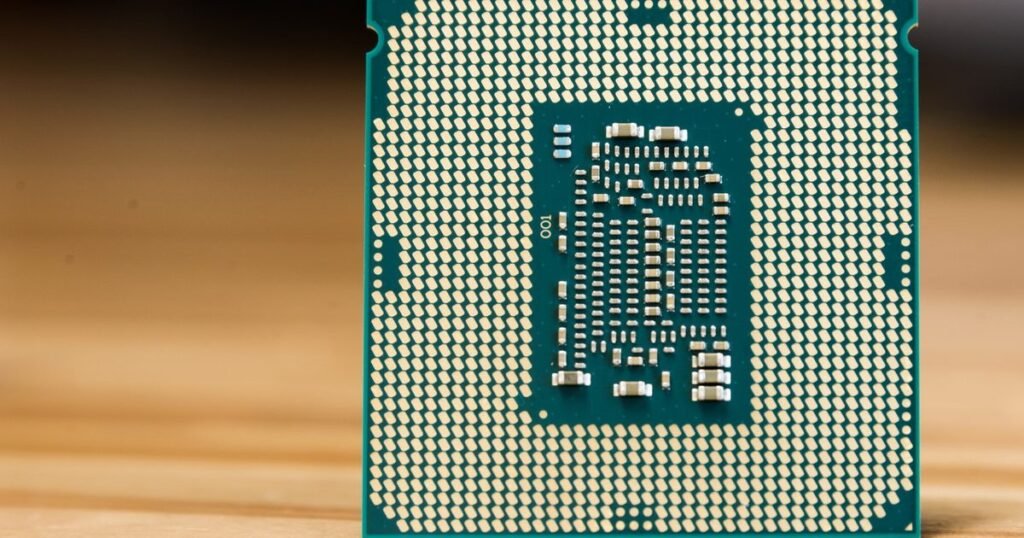
    Processors today pack billions of transistors onto a single chip, and while that enables incredible performance, it also creates one persistent problem, which is heat. Rising temperatures can slow down a processor or force performance throttling. Now, researchers may have found a solution with something incredibly tiny, a new microscopic temperature sensor that’s nearly impossible to see with the naked eye.

    A thermometer smaller than a human hair

    Researchers at Penn State have developed an ultra-miniature thermometer that can be built directly onto computer chips. The sensor is super small, measuring just one square micrometer, which is several thousand times smaller than the width of a human hair. That tiny size lets engineers place thousands of these sensors across a processor, allowing for precise temperature monitoring across different parts of the chipset.

    Chips often heat unevenly during heavy workloads, and traditional temperature sensors placed outside the processor can struggle to capture those rapid changes accurately. So these microscopic sensors could be a big deal for modern processors.

    Built with ultra-thin 2D materials

    What’s impressive is that the researchers built the sensor using two-dimensional materials that are only a few atoms thick. These materials allow the sensor to quickly react to any temperature changes. Additionally, the device can detect subtle fluctuations in about 100 nanoseconds, which is millions of times faster than blinking your eye. Owing to its unique structure, the tech also uses less power than traditional silicon-based thermal monitoring systems.

    AMD

    Why this matters for modern processors

    Thermal management is one of the biggest challenges in chip design today. Transistors overheating during heavy workload cause processors to reduce clock speeds to protect themselves. This, in turn, leads to drops in performance. But with these embedded sensors like this, engineers could monitor temperature changes across the chip in real time and respond more effectively. Meaning, we might see smarter thermal management, better efficiency, and peak performance that is maintained for longer. With chips nearing the 1-nanometer gate, tech like this could be crucial.

    Source: www.digitaltrends.com

    eyes Heating processor Sensor Solve tiny woes
    Share. Facebook Twitter Pinterest LinkedIn Tumblr Telegram Email Copy Link
    Previous ArticleWhy Lord and Miller Adapted ‘Project Hail Mary’ Before Andy Weir’s Second Book
    Next Article The best microSD Express cards for the Switch 2
    Michael Comaous
    • Website

    Michael Comaous is a dedicated professional with a passion for technology, innovation, and creative problem-solving. Over the years, he has built experience across multiple industries, combining strategic thinking with hands-on expertise to deliver meaningful results. Michael is known for his curiosity, attention to detail, and ability to explain complex topics in a clear and approachable way. Whether he’s working on new projects, writing, or collaborating with others, he brings energy and a forward-thinking mindset to everything he does.

    Related Posts

    2 Mins Read

    From Iran to Ukraine, everyone’s trying to hack security cameras

    2 Mins Read

    PopSockets founder David Barnett talks about building a viral business

    2 Mins Read

    Sony appears to be testing dynamic pricing on PlayStation games

    4 Mins Read

    Efficiency Redefined: A Review of the Talosbo C1 Cordless Robotic Pool Cleaner

    2 Mins Read

    The Future of Pixar Includes Ghosts, a Musical, & ‘Monsters Inc 3’

    4 Mins Read

    Motorola Razr Fold hands-on: This beats Samsung and Google Pixel in notable ways

    Top Posts

    Discord will require a face scan or ID for full access next month

    February 9, 2026761 Views

    The Mesh Router Placement Strategy That Finally Gave Me Full Home Coverage

    August 4, 2025574 Views

    Trade in your old phone and get up to $1,100 off a new iPhone 17 at AT&T – here’s how

    September 10, 2025287 Views
    Stay In Touch
    • Facebook

    Subscribe to Updates

    Get the latest tech news from FooBar about tech, design and biz.

    Most Popular

    Discord will require a face scan or ID for full access next month

    February 9, 2026761 Views

    The Mesh Router Placement Strategy That Finally Gave Me Full Home Coverage

    August 4, 2025574 Views

    Trade in your old phone and get up to $1,100 off a new iPhone 17 at AT&T – here’s how

    September 10, 2025287 Views
    Our Picks

    From Iran to Ukraine, everyone’s trying to hack security cameras

    March 7, 2026

    PopSockets founder David Barnett talks about building a viral business

    March 7, 2026

    Sony appears to be testing dynamic pricing on PlayStation games

    March 7, 2026

    Subscribe to Updates

    Get the latest creative news from FooBar about art, design and business.

    Facebook
    • About Us
    • Contact us
    • Privacy Policy
    • Disclaimer
    • Terms and Conditions
    © 2026 GeekBlog

    Type above and press Enter to search. Press Esc to cancel.

    Ad Blocker Enabled!
    Ad Blocker Enabled!
    Our website is made possible by displaying online advertisements to our visitors. Please support us by disabling your Ad Blocker.