Close Menu
GeekBlog

    Subscribe to Updates

    Get the latest creative news from FooBar about art, design and business.

    What's Hot

    His house burned down. He used the insurance money to build PopSockets.

    March 4, 2026

    Google isn’t waiting for a settlement — the 30 percent Android app store fee is dead

    March 4, 2026

    I am using the Google Pixel 10a and it’s a pretty misunderstood phone – in a good way

    March 4, 2026
    Facebook X (Twitter) Instagram Threads
    GeekBlog
    • Home
    • Mobile
    • Tech News
    • Blog
    • How-To Guides
    • AI & Software
    Facebook
    GeekBlog
    Home»Tech News»After half a decade, the Russian space station segment stopped leaking
    Tech News

    After half a decade, the Russian space station segment stopped leaking

    Michael ComaousBy Michael ComaousJanuary 5, 20262 Mins Read
    Share Facebook Twitter Pinterest LinkedIn Tumblr Email Copy Link
    After half a decade, the Russian space station segment stopped leaking
    Share
    Facebook Twitter LinkedIn Pinterest Email Copy Link

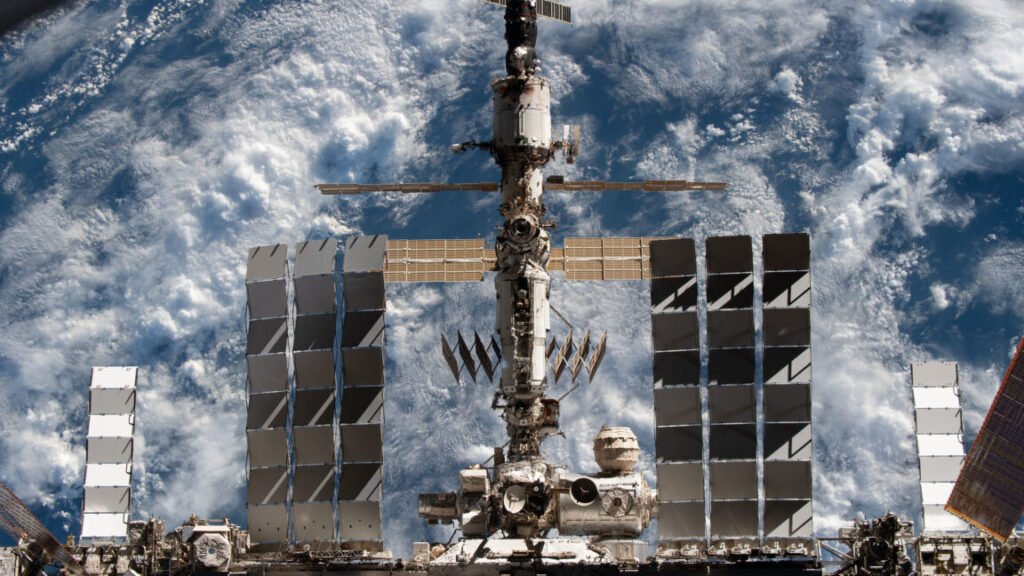
    A small section of the International Space Station that has experienced persistent leaks for years appears to have stopped venting atmosphere into space.

    The leaks were caused by microscopic structural cracks inside the small PrK module on the Russian segment of the space station, which lies between a Progress spacecraft airlock and the Zvezda module. The problem has been a long-running worry for Russian and US operators of the station, especially after the rate of leakage doubled in 2024. This prompted NASA officials to label the leak as a “high likelihood” and “high consequence” risk.

    However, recently two sources indicated that the leaks have stopped. And NASA has now confirmed this.

    “Holding steady”

    “Following additional inspections and sealing activities, the pressure in the transfer tunnel attached to the Zvezda Service Module of the International Space Station, known as the PrK, is holding steady in a stable configuration,” a space agency spokesman, Josh Finch, told Ars. “NASA and Roscosmos continue to monitor and investigate the previously observed cracks for any future changes that may occur.”

    For the better part of half a decade, Russian cosmonauts have been searching for the small leaks like a proverbial needle in a haystack. They would periodically close the hatch leading to the PrK module and then, upon re-opening it, look for tiny accumulations of dust to indicate the leak sites.

    Then the Russian cosmonauts would apply a sealant known as Germetall-1 (which has now been patented) to the cracks. They would close the hatch again, monitor the pressure inside the PrK module, and begin the search anew for additional leaks. This process went on for years.

    Source: arstechnica.com

    decade leaking Russian segment Space Station stopped
    Share. Facebook Twitter Pinterest LinkedIn Tumblr Telegram Email Copy Link
    Previous ArticleCan a social app fix the ‘terrible devastation’ of social media?
    Next Article A New Bridge Links the Strange Math of Infinity to Computer Science
    Michael Comaous
    • Website

    Michael Comaous is a dedicated professional with a passion for technology, innovation, and creative problem-solving. Over the years, he has built experience across multiple industries, combining strategic thinking with hands-on expertise to deliver meaningful results. Michael is known for his curiosity, attention to detail, and ability to explain complex topics in a clear and approachable way. Whether he’s working on new projects, writing, or collaborating with others, he brings energy and a forward-thinking mindset to everything he does.

    Related Posts

    1 Min Read

    His house burned down. He used the insurance money to build PopSockets.

    1 Min Read

    Google isn’t waiting for a settlement — the 30 percent Android app store fee is dead

    7 Mins Read

    I am using the Google Pixel 10a and it’s a pretty misunderstood phone – in a good way

    4 Mins Read

    World’s Biggest Acidic Geyser Springs Back to Life After Years of Dormancy

    10 Mins Read

    I used Gemini Nano Banana 2 to create sketchnotes – here’s what it got right (and hilariously wrong)

    2 Mins Read

    The Colorful MacBook Neo Is Apple’s Cheapest Laptop Ever

    Top Posts

    Discord will require a face scan or ID for full access next month

    February 9, 2026761 Views

    The Mesh Router Placement Strategy That Finally Gave Me Full Home Coverage

    August 4, 2025564 Views

    Past Wordle answers – all solutions so far, alphabetical and by date

    August 1, 2025230 Views
    Stay In Touch
    • Facebook

    Subscribe to Updates

    Get the latest tech news from FooBar about tech, design and biz.

    Most Popular

    Discord will require a face scan or ID for full access next month

    February 9, 2026761 Views

    The Mesh Router Placement Strategy That Finally Gave Me Full Home Coverage

    August 4, 2025564 Views

    Past Wordle answers – all solutions so far, alphabetical and by date

    August 1, 2025230 Views
    Our Picks

    His house burned down. He used the insurance money to build PopSockets.

    March 4, 2026

    Google isn’t waiting for a settlement — the 30 percent Android app store fee is dead

    March 4, 2026

    I am using the Google Pixel 10a and it’s a pretty misunderstood phone – in a good way

    March 4, 2026

    Subscribe to Updates

    Get the latest creative news from FooBar about art, design and business.

    Facebook
    • About Us
    • Contact us
    • Privacy Policy
    • Disclaimer
    • Terms and Conditions
    © 2026 GeekBlog

    Type above and press Enter to search. Press Esc to cancel.

    Ad Blocker Enabled!
    Ad Blocker Enabled!
    Our website is made possible by displaying online advertisements to our visitors. Please support us by disabling your Ad Blocker.