

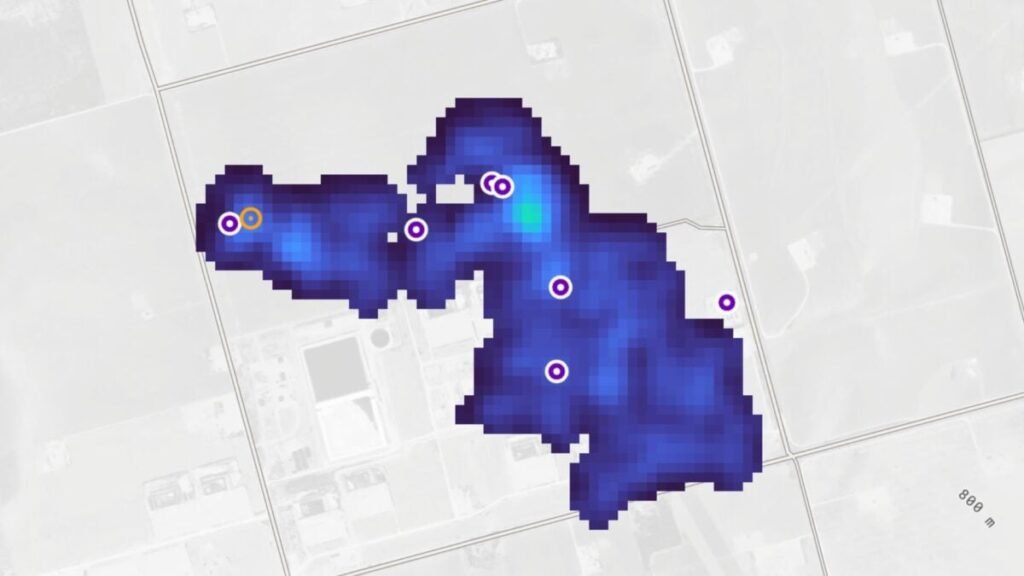
Methane is one of the most potent greenhouse gases, trapping 28 times more heat in the atmosphere than carbon dioxide. Pinpointing methane sources is therefore critical to mitigating climate change, and a new analysis just zeroed in on the 25 oil and gas sites with the largest methane emissions rates worldwide.
Researchers with the Stop Methane Project at the University of California, Los Angeles, used data from Carbon Mapper—a non-profit that uses remote sensing technology to pinpoint and quantify methane emissions—to rank these mega-leaks. They’re spread across a small handful of countries, including the U.S., with the majority in Turkmenistan. A whopping 15 of the 25 largest leaks are concentrated in this authoritarian state.
“Over a year, a source emitting 5 tonnes of methane per hour (in the middle of the pack of our ‘top 25’ list) would contribute about as much to global warming as one million SUVs or one large (500 megawatt) coal-fired power plant,” a statement from the Stop Methane Project reads.
Pinpointing methane mega-leaks
Carbon Mapper’s methane emissions data comes from two Earth observers: Planet Labs’s Tanager-1 satellite and NASA’s EMIT instrument on the International Space Station. Carbon Mapper researchers process the raw data these instruments gather to identify point sources of methane and quantify their emission rates.
The Stop Methane Project’s ranking reflects the oil and gas sector sources with the 25 highest detected hourly emissions rates seen from January 1, 2025, to December 31, 2025. The countries on the list, in order from most to fewest mega-leaks, are Turkmenistan, Venezuela, Iran, and the United States.
Only one U.S. oil and gas site made the top 25. Located in Stanton, Texas, Carbon Mapper data shows that it emitted 5.5 metric tons of methane per hour over the course of 2025. The Stop Methane Project conducted a “holistic review of the best publicly available evidence” to identify the potential operators behind the 25 sites and concluded that the Texas leak most likely stems from one of two facilities operated by the American energy company Energy Transfer. The company did not respond to Gizmodo’s request for comment by the time of publication.
It’s no big surprise that sites in Turkmenistan dominate the list. Experts previously told The Guardian that the scale of methane emissions from this oil- and gas-rich country is “mind-boggling.” According to this new analysis, the world’s top two methane emitters are likely facilities operated by the two national energy companies of Turkmenistan, Türkmennebit and Türkmengaz, in the city of Esenguly. Both leak sites emitted more than 10 metric tons of methane per hour in 2025.
Plugging the leaks
Pinpointing the sources of these methane leaks is essential to reducing emissions and limiting their impact on the climate. Identifying the worst offenders empowers regulators to hold operators accountable, impose emissions limits, and enforce repairs.
In some countries, that’s easier said than done. In Turkmenistan, the totalitarian government’s lack of transparency and action around methane pollution stems from a deep economic reliance on fossil fuel extraction. In October 2025, the government said methane emissions were declining, citing a supposed 60% reduction in 2023. Clearly, however, the problem is far from fixed.
As remote sensing capabilities improve, it’s becoming nearly impossible for the fossil fuel industry to hide its methane emissions. The question now is whether nations will take the necessary action to reduce these emissions before it’s too late to avoid the worst impacts of climate change.
Source: gizmodo.com
About this article: GeekBlog covers U.S. technology news, AI, phones, smartwatches and gaming. Every story is written and checked under our Editorial Policy. Spotted a mistake or have a story tip? Contact our editors.
