

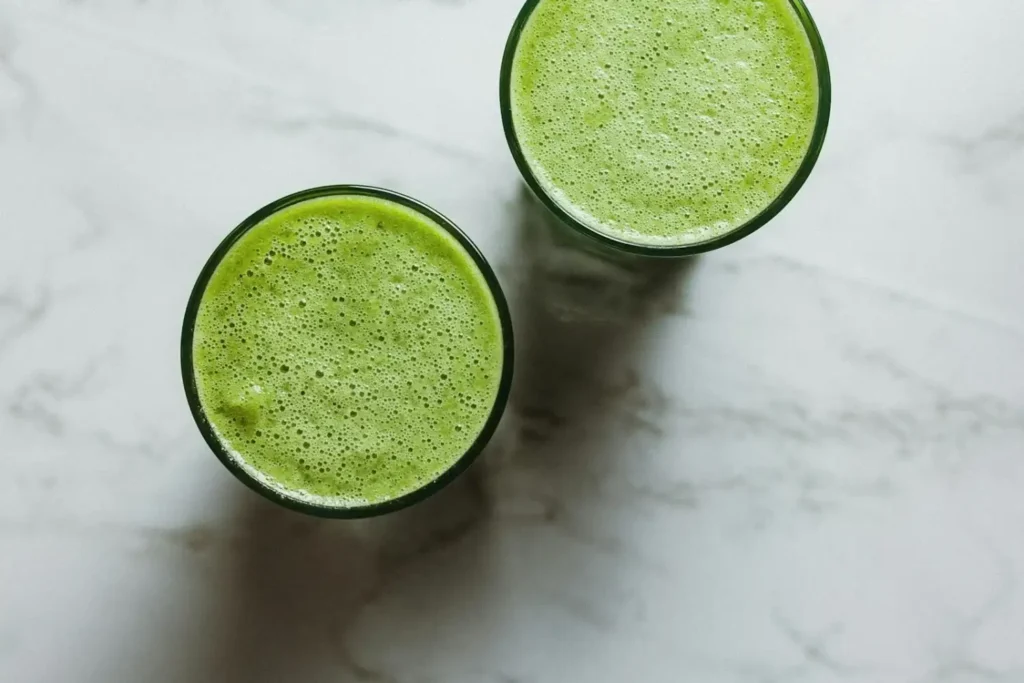
AG1, the greens powder formerly sold as Athletic Greens, markets itself as a clinically backed daily health drink, and its ads are hard to miss on podcasts and social media. The science behind it is real but narrow: a handful of studies, mostly short, small and run or funded by the company, on top of a much larger body of research suggesting that healthy adults who eat reasonably well get limited benefit from multivitamin style products. Here is what is in the scoop, what the company claims, what independent evidence says, and how supplements are regulated in the US.
What is actually in AG1
The current version is called AG1 Next Gen. It launched on May 1, 2025 as the first major reformulation in nearly a decade. AG1 describes it as combining a multivitamin, pre and probiotics, superfoods and antioxidants in one 13 gram scoop mixed with water, and lists more than 75 ingredients. The company also sells AG1 Pro, which adds creatine and other ingredients, and a gummy version with fewer ingredients and no probiotic blend.
In practical terms, a scoop delivers a broad spread of vitamins and minerals, often at or above daily values, plus a long list of plant powders and extracts. What it does not deliver is the volume of fiber, water and food that a plate of real vegetables provides.
| Product | Listed ingredients | Subscription price |
|---|---|---|
| AG1 Next Gen | 75+ | $79 per month, about $2.63 per serving |
| AG1 Pro | 80+ | $99 per month, about $3.30 per serving |
| AG1 Essentials Gummies | 50+ | $49 per month, about $1.63 per serving |
Prices are from AG1’s US site in October 2026. One time purchases cost more than the subscription.
What AG1 claims, and the studies behind it
AG1 says Next Gen is clinically shown to close common nutrient gaps and support gut health. To its credit, the company has tested the finished product rather than only pointing to research on individual ingredients. The studies it lists include:
- A triple blind, placebo controlled trial of 105 healthy adults over 12 weeks, looking at nutrient levels in the blood and the gut microbiome.
- Two short crossover trials, one with 20 active adults over two weeks and one with 40 adults with occasional digestive discomfort over four weeks.
- An eight hour study of 16 adults measuring how well nutrients are absorbed.
- A third party, single arm study of 104 adults over three months measuring how participants felt, without a placebo group.
One earlier trial on the original formula was published in 2024 in a peer reviewed sports nutrition journal. It followed 30 healthy adults for four weeks. The authors reported increases in some beneficial bacteria, including strains that are part of the product, but no significant change in overall microbiome diversity, and an improvement in digestive quality of life that did not reach statistical significance. The paper states that AG1 funded the research in part, and two authors are listed as AG1 employees.
What independent evidence says about greens powders
There is very little independent research on greens powders as a category, so the best evidence comes from studies of multivitamins. In 2022, the US Preventive Services Task Force concluded that the evidence was insufficient to say whether multivitamins help prevent heart disease or cancer in healthy, nonpregnant adults. It recommended against taking beta carotene or vitamin E supplements for that purpose.
That does not make AG1 useless. People with a diagnosed deficiency, restrictive diets or specific medical needs can benefit from targeted supplements, but those are usually chosen with a doctor based on blood work. For most healthy people, the vegetables, fruit and fiber in a varied diet do things a powder cannot copy.
How the FDA regulates supplements
Dietary supplements do not need FDA approval before they go on sale. According to the FDA, manufacturers and distributors are responsible for making sure their products are safe and properly labeled, and the agency can act against products that are adulterated or misbranded after they reach the market. That is why AG1, like every supplement, carries the standard notice that its statements have not been evaluated by the FDA and that the product is not intended to diagnose, treat, cure or prevent any disease.
One quality signal AG1 does offer is NSF Certified for Sport status, an independent program that tests products for contents and banned substances. It speaks to quality control, not to whether the product improves your health.
FAQ
Is AG1 worth $79 a month?
It depends on what you value. As convenience in a single scoop it delivers what it lists. As a health investment, there is no strong independent evidence it beats a basic multivitamin or a better diet, both of which cost less.
Can AG1 replace vegetables?
No. It supplies vitamins and plant extracts, but not the fiber, volume and range of compounds found in whole vegetables and fruit.
Is AG1 approved by the FDA?
No supplement is approved by the FDA before sale. Manufacturers are responsible for safety and labeling, and the FDA can act after products reach the market.
Are AG1’s studies independent?
Most of the trials AG1 cites were run on its own formula, and the published 2024 study was partly funded by the company with AG1 employees among the authors. That does not make the results wrong, but independent replication would carry more weight.
The verdict
AG1 is an independently certified supplement with more product specific research than most of its competitors, but that research is small, short and closely tied to the company. For healthy adults it is an expensive convenience rather than a proven health upgrade. If you are curious, talk to your doctor first, and put the money toward vegetables if you have to choose.
Updated October 2026: rewritten as a balanced explainer covering AG1 Next Gen ingredients, current pricing, the company’s studies, independent evidence and FDA rules for supplements.
Featured photo: Alex Lvrs on Unsplash.
About this article: GeekBlog covers U.S. technology news, AI, phones, smartwatches and gaming. Every story is written and checked under our Editorial Policy. Spotted a mistake or have a story tip? Contact our editors.
