

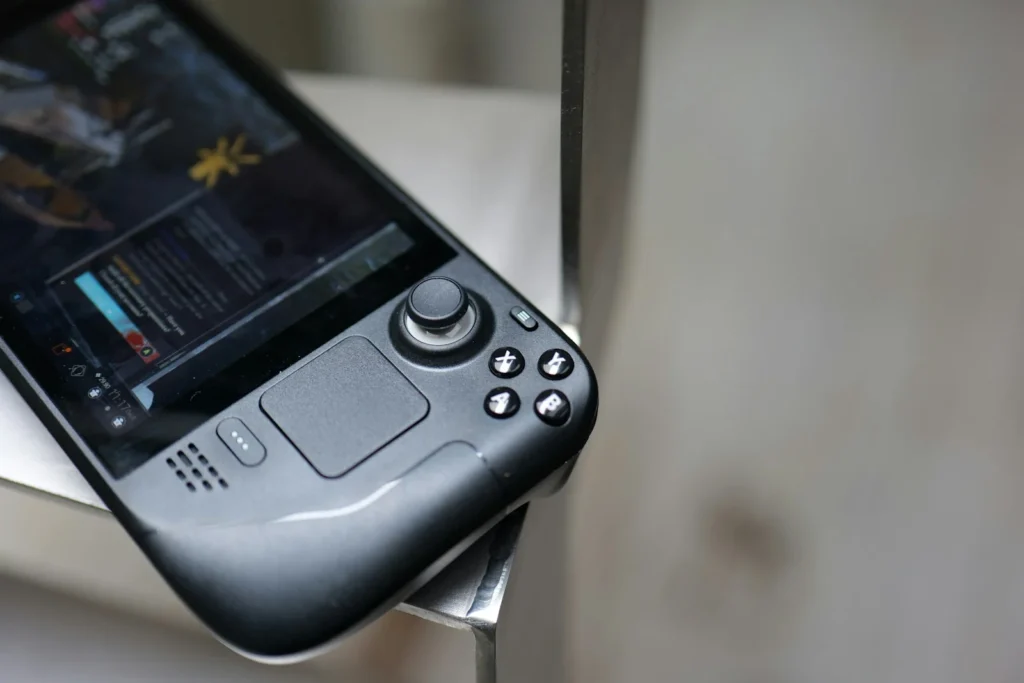
Early in 2026, owners of the ASUS ROG Ally and Lenovo Legion Go started to worry that AMD had quietly stopped driver updates for its Ryzen Z1 Extreme handheld chip. The scare was real, but the outcome was better than feared: both ASUS and Lenovo shipped new graphics drivers afterwards, and Lenovo committed to supporting the original Legion Go until October 2029. Here is what happened, where support stands in October 2026, and what you should do if you own a Z1 handheld.
What sparked the report
In February 2026, a customer support reply from Lenovo in Korea indicated that the original Legion Go would no longer receive BIOS or driver updates, and that owners should rely on Windows Update instead. Around the same time, ROG Ally owners noticed their graphics driver had not changed in months, even as big new games arrived. Put together, it looked like AMD had stopped work on the Z1 platform at the chip level.
The worry made sense on paper. The Ryzen Z1 Extreme powers three of the most popular Windows handhelds: the original ROG Ally from 2023, the ROG Ally X from 2024, and the first Legion Go from 2023. Game ready driver updates bring performance fixes and bug fixes for new releases, so losing them would slowly make these devices worse at running new games.
What happened next: a timeline
| Date | Event |
|---|---|
| September 2025 | Last AMD graphics package for the Legion Go on Lenovo’s support site before the scare. |
| February 2026 | Lenovo Korea support suggests no more Legion Go updates. Reports spread that Z1 Extreme support has ended. |
| February 24, 2026 | ASUS publishes ROG Ally graphics driver 32.0.22029.13001, a small revision of its existing driver branch. |
| March 2026 | Lenovo says the Legion Go is not discontinued and will get driver and BIOS updates through October 2029, developed together with AMD. |
| April 23, 2026 | Lenovo posts new GPU, chipset and power management drivers for the Legion Go. The graphics driver, 32.0.23017.1001, is based on AMD Adrenalin 26.1.1 from January 2026. |
Why the drivers seem stuck
The confusion comes from how handheld drivers are delivered. On a desktop graphics card, you download new drivers straight from AMD every few weeks. Ryzen Z series handhelds work differently. AMD does not officially support installing its public Adrenalin package on these devices. Instead, it hands drivers to ASUS, Lenovo and other makers, who validate them for their own hardware, battery limits and control software before release.
That extra testing takes time. The Legion Go driver Lenovo shipped in April was already about three months behind AMD’s public release, and the ROG Ally driver in February stayed on an older branch. So the chip is still supported, but at a slower pace than desktop PCs get.
Z1 versus Z2: which chip is in your handheld
Zen 4 CPU with RDNA 3 graphics. Found in the ROG Ally, ROG Ally X and original Legion Go.
A budget chip built on the older Zen 3+ design. Used in the Legion Go S.
AMD’s newer flagship handheld chip, used in devices such as the ROG Xbox Ally X.
The names suggest a simple upgrade path, but the chips are built on different designs. Lenovo has specifically warned Legion Go owners not to install Legion Go S drivers, because the Z2 Go inside the S is a different generation from the Z1 Extreme.
What Z1 handheld owners should do now
- Update through your maker’s app. On the ROG Ally and Ally X use Armoury Crate SE, and on the Legion Go use Legion Space or Lenovo’s support site.
- Keep Windows Update on. It delivers some driver and firmware updates automatically.
- Never mix drivers between models. Only use packages listed for your exact device.
- Use in game settings and frame generation features to keep new games playable while drivers catch up.
- Consider a Linux gaming OS such as Bazzite if you are frustrated with Windows driver pace. It uses open source graphics drivers that update independently, though switching takes some setup.
FAQ
Did AMD stop supporting the Ryzen Z1 Extreme?
No. AMD made no announcement ending support, and both ASUS and Lenovo released new Z1 Extreme graphics drivers after the reports appeared.
Is the ROG Ally still getting driver updates?
Yes, though infrequently. ASUS released a new graphics driver in February 2026. Check Armoury Crate SE or the ASUS support page for the latest version.
How long will the original Legion Go be supported?
Lenovo says it will provide driver and BIOS updates through October 2029.
Can I install AMD’s Adrenalin driver directly?
AMD does not officially support its public Adrenalin package on Z series handhelds. Lenovo’s April 2026 package does install the Adrenalin app, but the driver comes from Lenovo.
The verdict
The Ryzen Z1 driver scare turned out to be a support message gone wrong rather than the end of the platform. Z1 handhelds still get updates in 2026, just slowly and through ASUS and Lenovo rather than AMD directly. Keep using official packages, be patient with new releases, and your ROG Ally or Legion Go should stay useful for years.
Updated October 2026: rewritten to explain the Ryzen Z1 driver report, the ASUS and Lenovo updates that followed, and what owners should do now.
Featured photo: Petar on Unsplash.
About this article: GeekBlog covers U.S. technology news, AI, phones, smartwatches and gaming. Every story is written and checked under our Editorial Policy. Spotted a mistake or have a story tip? Contact our editors.
