

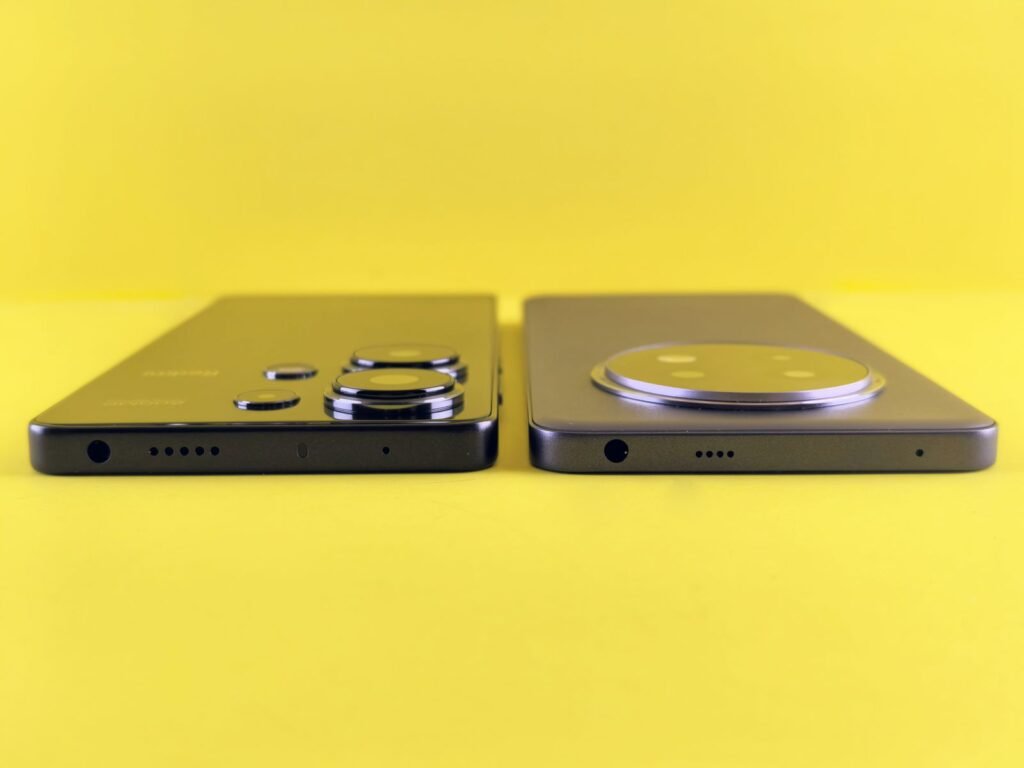
Carrying two phones has always meant choosing between two bad options: pay for two numbers, or keep popping a SIM tray open with a paperclip. Google looks ready to fix that. Text strings found in the latest version of Google’s SIM Manager app describe a feature called Android Fast Switch, which would let one phone number live on two Android phones and follow you to whichever one you pick up.
Android Authority spotted the code first, and 9to5Google, Android Police and Digital Trends have since picked through the details. Nothing is official yet. Google hasn’t announced it, there are no screenshots, and code like this sometimes never ships. But the strings are specific enough to tell us how it would work, and Apple’s version of the same idea has already shown us where the catches will be.
- What it is: a leaked Android feature that lets you “use your phone number on up to two phones”
- How it switches: mobile service moves automatically to whichever phone you unlock
- Requirements so far: both phones on the same Google account, one set as “Primary” and the other as a “companion”
- Known limits: some SIMs won’t work, and you may have to use a SIM on a phone once before you can share it
- Big unknowns: which phones get it, which carriers support it and whether they charge extra
What the code actually says
The clearest evidence is a set of three strings that read like finished setup screen copy. They describe the feature by name, explain the core behavior and point to a help page that doesn’t exist yet:
companion_profile_title: “Use a SIM on two phones”
companion_profile_description_prefix: “With Android Fast Switch, you can use your phone number on up to two phones. Mobile service automatically switches to whichever phone you unlock.”
companion_profile_description_link: “Learn more about Android Fast Switch”
Other strings fill in the setup flow. Both handsets have to be signed in to the same Google account, and the second phone has to accept a sharing request. The phone that owns the line is called the “Primary,” and the other is the “companion.” Digital Trends notes that the wording frames the feature as one person carrying two phones, not a cheap way to hand your line to a partner or a kid.
Two restrictions show up already. Some SIM cards simply won’t be compatible, and you may need to activate a SIM on a phone at least once before it can be shared. Android Authority also says it has seen hints of Pixel support, though not whether every Pixel would qualify.
How the handoff would work
The key phrase is “whichever phone you unlock.” That’s the same trigger Apple uses. It strongly suggests your number is only active on one phone at a time, rather than both phones ringing together. If you’ve ever used a cellular smartwatch on a number sharing plan, this is different. Those ring in parallel. Fast Switch appears to move the line.
Apple already shipped this, and carriers already priced it
Fast Switch is Google’s answer to iPhone Handoff, which arrived with iOS 27 and launched alongside the iPhone Duo. On iPhone, calls, voicemail, messages and Find My location move to whichever iPhone you’re using, and the number stays live on only one device. It’s built on eSIM and needs a carrier that supports it.
That last part is where it gets expensive. As we covered when Verizon put a $10 monthly price on iPhone Handoff, the software is free but the carriers aren’t. T-Mobile charges $5 a month. AT&T doesn’t support it at all. In the UK, EE charges £5 a month or includes it on its top plan.
There’s no reason to assume carriers will treat Android differently. The feature needs network side support to let one line authenticate on two devices, and carriers have a long history of charging monthly for anything that looks like a second device. The best case is that Google negotiates it into its own Google Fi plans for free and pushes others to follow. The worst case is a patchwork of $5 to $10 add-ons and one major carrier sitting it out.
Fast Switch vs. the options you have today
| Option | Same number? | How you switch | Cost |
|---|---|---|---|
| Android Fast Switch (leaked) | Yes | Unlock the phone you want | Unknown |
| iPhone Handoff (iOS 27) | Yes | Unlock the phone you want | $5 to $10 a month in the US |
| Manual eSIM transfer on Android | Yes | Several steps in Settings, carrier must approve | Usually free |
| Physical SIM swap | Yes | Power off, eject tray, reboot | Free |
| Second line | No | Nothing to switch, two numbers to manage | A full extra plan |
Android already lets you move an eSIM between phones, and Android 17 rebuilt the Android Switch tool so it can pull an eSIM across from an iPhone. The difference is that every one of those moves is manual. Fast Switch would do the same job quietly in the background. If your phone still hasn’t received Android 17, our tracker of which phones actually have Android 17 is a good reality check, because a feature like this will almost certainly need a recent build.
Why this could matter more on Android than on iPhone
9to5Google’s Ben Schoon made a fair point about Apple’s version: with so little variety in iPhone hardware, the case for switching between two of them is narrow. It mostly makes sense for an iPhone Duo or Air as a weekend phone next to a Pro.
Android is a different story. The hardware spread is huge, and plenty of people already own phones that are great at one thing and bad at another. Some pairings that suddenly make sense:
- A big foldable for work and a small flagship for nights out
- Your main phone plus a rugged one for hikes, job sites or the beach
- A camera-first phone on trips and a cheaper daily driver
- A gaming phone at home and a slim phone in your pocket
- Mixing brands, if Google keeps it to Pixels at first
- Sharing a line with a family member, which the strings appear to rule out
- Android plus iPhone on one number, which needs Apple and Google to cooperate
- Older SIM cards that the code already flags as incompatible
The cross-platform wish is the one many reviewers keep coming back to. TechRadar’s writer said that sharing a number between an iPhone and an Android phone is what would get them truly excited. It’s a niche use, but it’s also the only version of this feature neither company can deliver alone. Don’t hold your breath.
The questions Google still has to answer
- Which phones? Android Authority has seen evidence of Pixel support. Android Police speculates Samsung Galaxy devices could be included, but there’s nothing confirming that. Since the feature lives in Google’s SIM Manager app, a Pixel first launch is the safe bet.
- Which carriers? Google hasn’t named any. Apple launched with just T-Mobile and Deutsche Telekom, and AT&T still hasn’t signed on two months later.
- What follows the number? On iPhone, voicemail, messages and location move too. Google hasn’t shown whether RCS chats, call history or Google Messages threads will jump between phones cleanly.
- When? Code strings can appear weeks, months or even years before launch. Some never ship at all. A Pixel Drop in early 2027 would be the earliest realistic window, but that’s our guess, not Google’s.
What you can do right now
Until Fast Switch shows up, moving a number between two Android phones still means a manual eSIM transfer or an old fashioned SIM swap. On a Pixel, the eSIM options sit here:
Settings > Network & internet > SIMs > pick your SIM
// On a brand new phone, choose to copy your SIM from your old device during setup
// Menu names differ on Samsung, OnePlus and others
Your carrier has to support eSIM transfer for this to work, and some still push you to a store or an app to approve the move. If you mostly need a second phone for travel, a cheap data eSIM can be a better fit than juggling your main number, and offers like Opera’s free 3GB travel eSIM for Android show how low that cost can go.
The bottom line
Android Fast Switch looks like a near copy of iPhone Handoff, and that’s not a bad thing. The idea is useful, the trigger of “unlock it and it’s yours” is simple, and Android’s wild hardware variety gives it more reasons to exist than Apple’s version has. The real fight won’t be over the software. It’ll be over whether carriers treat a second screen for one person as a premium add-on. Apple’s rollout says they will. If Google wants Fast Switch to feel different, it needs to bring carriers to the table with better terms, starting with its own Google Fi.
Sources and further reading
- TechRadar: Android could soon get its own version of iPhone Handoff
- 9to5Google: Google’s new ‘Fast Switch’ feature leaks
- Android Police: Google is testing a way to use one phone number on two phones
- Digital Trends: Android Fast Switch could make carrying two phones a lot less annoying
About this article: GeekBlog covers U.S. technology news, AI, phones, smartwatches and gaming. Every story is written and checked under our Editorial Policy. Spotted a mistake or have a story tip? Contact our editors.
