

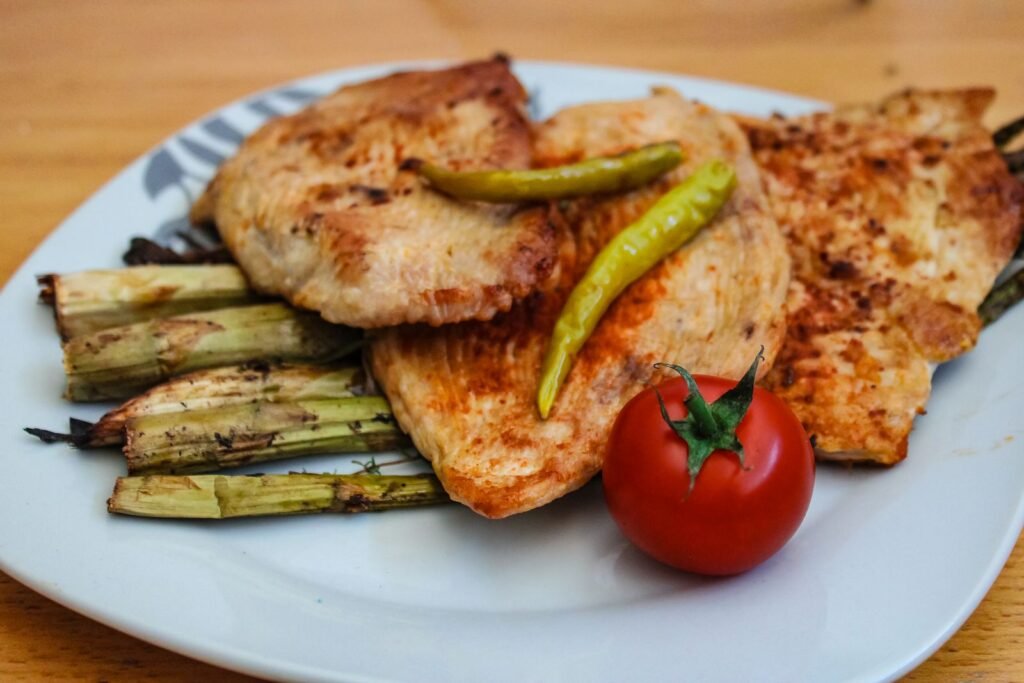
“I’m vegan, but I went to a steakhouse tonight and got the chicken.” That’s how tech investor Seth Bannon opened a post on X that quickly lit up the internet. The twist is in the next line: the chicken was real, but no chicken died for it. It was “grown from cells in big stainless steel tanks by @UPSIDEFoods instead of cut from a slaughtered animal. It went on restaurant menus today. It was amazing. We’re living in the future!”
As UNILAD Tech reported, the post split people right down the middle. Some vegans were thrilled. Others said eating meat is eating meat, no matter where it comes from. Here’s what Upside actually launched, how you make chicken without a chicken and why you can’t legally buy it in eight US states.
The short version
- Upside Foods launched UPSIDE Chicken on November 17, its first high-volume product, at 8 California restaurants plus Stanford Dining.
- The cells came from one heritage-breed chicken egg and grow into meat in about three weeks.
- It’s a blend: cultivated chicken plus soy protein, pea fiber and olive oil.
- Dishes reported so far run about $12 to $19, which Upside compares to high-end organic chicken.
- Eight states currently ban or pause sales of cultivated meat, including Florida and Texas.
What Bannon actually ate
Bannon, who says he’s been vegan for 14 years for animal welfare reasons, ordered the chicken at EPIC Steak in San Francisco. When another vegan of 30 years asked if he had any reservations, he replied: “Zero reservations from me! Been vegan for 14 years for animal welfare reasons and I’m super excited to eat this often!”
One detail worth knowing: Bannon co-founded the venture firm Fifty Years, which lists Upside Foods as a portfolio company. His post didn’t mention that, and a community note on Threads later flagged it as an undisclosed promotion. That doesn’t make his review wrong, but it’s useful context when a post like this goes viral.
| Restaurant | Dish reported | Approx. price |
|---|---|---|
| EPIC Steak (San Francisco) | Southern fried chicken | about $12 |
| Waterbar (San Francisco) | Five-spice chicken | about $15 |
| Jilli and Chimmelier | Korean fried chicken | about $19 |
| Others | Mersea on Treasure Island, Hurrica in Redwood City, spots in LA, Stanford Dining and some corporate campuses. Not sold in grocery stores yet. | |
Prices are early reports and may differ by menu.
How you grow chicken without a chicken
Upside says it took cells from a single heritage-breed chicken egg about eight years ago and used them to build a master cell bank. Those cells can be stored for years, which is why the company says all of its chicken so far traces back to that one egg.
From egg to plate: how UPSIDE Chicken is made
1. One egg
Cells are taken from a heritage-breed chicken egg.
2. Cell bank
They’re frozen and stored as a master bank, reused for years.
3. Steel tanks
Cells grow in 20,000+ liter vessels that look like brewery tanks.
4. About 3 weeks
Fed vitamins, minerals and nutrients similar to chicken feed.
5. Blended
Mixed with soy protein, pea fiber and olive oil, then cooked.
“The only difference is the vessel,” Upside explains. “Upside Chicken is grown in tanks (like you’d see at a brewery) instead of inside a chicken.” The company says its setup can produce more than 1 million pounds of finished product a year on less than half an acre, though it hasn’t shared how much it actually makes. It also won’t say what percentage of each serving is cultivated chicken, only that it’s the second ingredient after water. The product is certified halal, which Upside calls an industry first.
Growing animal products from cells is part of a much bigger wave of animal biotech. Startups are now editing genes to bring back lost species and even to design better working animals, like the plan we covered for genetically engineered military dogs.
So, is it vegan?
By the strict definition, no. It’s animal meat made from animal cells. What it removes is the slaughter, and for people like Bannon who are vegan for animal welfare, that’s the part that counts.
The case for
No animal is killed to make each meal. The US alone raised about 9.3 billion broiler chickens in 2024, and the world slaughters more than 80 billion land animals a year.
The case against
The starting cells came from an animal. Early cultivated meat used fetal bovine serum, and FDA documents from 2022 mentioned bovine ingredients in some of Upside’s process.
The open question
Upside announced an animal-free growth medium in 2021, but hasn’t clearly said whether every batch of the new product uses it.
The climate case isn’t settled either. A 2023 UC Davis study, released before peer review, found that if growth media has to be purified to pharmaceutical standards, cultivated meat could have a carbon footprint 4 to 25 times higher than beef. Without that purification step, it could land close to beef or below it. In other words, how it’s made matters a lot, and independent data on Upside’s new process doesn’t exist yet.
Where you can’t buy it
Federal regulators cleared cultivated chicken back in 2022 and 2023. The FDA sent Upside a “no questions” letter in November 2022, and the USDA approved Upside and GOOD Meat on June 21, 2023. San Francisco’s Bar Crenn became the first US restaurant to serve it that summer, in tiny amounts, before dropping it. Upside says it got new FDA and USDA clearances for this blended product.
States are another story. A wave of laws has pushed back hard.
| State | Type of restriction |
|---|---|
| Florida | Ban since July 2024, upheld by a federal appeals court in March 2026 |
| Alabama | Ban signed in 2024 |
| Mississippi and Montana | Bans passed in 2025 |
| Nebraska | Ban on making and selling cultivated meat |
| Indiana | Two-year pause, through June 2027 |
| Texas | Two-year ban through September 2027, now being challenged in court by Upside and Wildtype |
| South Dakota | Moratorium from July 2026 to 2031 |
Florida’s fight over what ends up on dinner plates is part of a bigger story about food and the environment there. We looked at a more welcome example when Florida started putting restaurant oyster shells back in the Gulf.
The bans land on an industry that was already struggling. Investors poured money into cultivated meat at the start of the decade, then pulled back hard.
Cultivated meat money has dried up
Global investment in cultivated meat. Source: Good Food Institute
2021: $1.36 billion
2024: about $139 million
2025: about $74 million
Why this launch matters
Upside paused a big planned factory in Illinois in 2024 and went through several rounds of layoffs. Getting a product onto regular menus at prices close to premium chicken is the first real sign that cultivated meat can move past one-off tasting dinners. Other companies are moving too: Mission Barns got pork fat approved in 2025, and Wildtype’s lab-grown salmon is on the menu in Portland.
The bottom line
A vegan eating chicken at a steakhouse sounds like a punchline, but it’s a fair summary of where food tech is right now. UPSIDE Chicken is real meat, made without slaughter, sold at prices that aren’t absurd, in a handful of California restaurants. Whether that’s a win depends on why you avoid meat in the first place, and on climate numbers no one has independently checked yet. What’s clear is that the debate has moved from “will this ever exist?” to “should I order it?” And in eight states, the answer is already decided for you.
About this article: GeekBlog covers U.S. technology news, AI, phones, smartwatches and gaming. Every story is written and checked under our Editorial Policy. Spotted a mistake or have a story tip? Contact our editors.
