

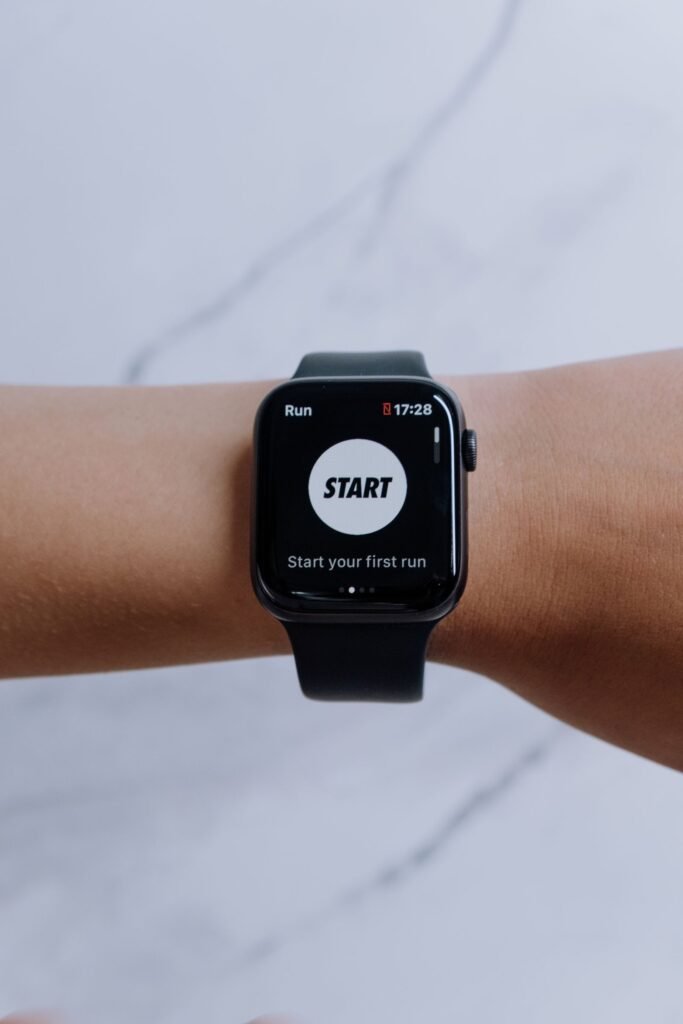
A smartwatch is a wristwatch that doubles as a small computer. It tells the time, but it also counts your steps, reads your heart rate, shows your texts and, on some models, pays for your coffee or calls for help if you fall. It connects to your phone, and many newer models can work on their own over cellular.
That sounds simple, yet the category has gotten confusing. Apple, Samsung, Google, Garmin and dozens of cheaper brands all sell something they call a smartwatch, and the price ranges from about $30 to well over $1,000. This guide explains what a smartwatch actually is, how the sensors work, what it can and cannot do, and how to pick one without wasting money.
Quick answer
A smartwatch is a wearable computer with a touchscreen, health sensors and apps that pairs with an iPhone or Android phone. Typical jobs are notifications, fitness and sleep tracking, heart rate monitoring, contactless payments and safety alerts. Your phone decides your options: an Apple Watch needs an iPhone, a Galaxy Watch needs an Android phone, and Garmin and many others work with both.
What Does a Smartwatch Actually Do?
Think of it as a thin layer of your phone strapped to your wrist, plus a set of sensors your phone does not have. The exact feature list depends on the brand, but most modern smartwatches cover the same core jobs.
- Notifications and calls. Texts, emails and app alerts show up on your wrist. Many watches let you answer calls or send a quick reply.
- Fitness tracking. Steps, workouts, GPS routes for runs and rides, and swim tracking on water resistant models.
- Health monitoring. Continuous heart rate, blood oxygen estimates, sleep stages and, on some models, ECG readings and irregular rhythm alerts.
- Safety features. Fall detection and emergency SOS are now common on mainstream watches, and some can alert your emergency contacts automatically.
- Contactless payments. Tap your wrist at a terminal with Apple Pay, Google Wallet, Samsung Wallet or Garmin Pay.
- Everyday extras. Timers, alarms, weather, maps, music controls and, on some models, offline music stored on the watch.
Market research backs up why people buy them. One widely cited survey figure says roughly 80% of consumers value health and fitness tracking in a smartwatch, which is why brands compete hardest on sensors and not on watch faces.
How a Smartwatch Works
Inside the case you will find a processor, memory, a battery, a display, wireless radios (Bluetooth and Wi-Fi, sometimes cellular) and a bundle of sensors. The sensors do most of the interesting work, and each one measures something different.
The heart rate sensor is the one you rely on most. It works by shining green light onto your skin and measuring how much bounces back, because each heartbeat briefly changes the amount of blood in the tiny vessels under the watch. That is why a snug fit matters, and why readings are usually most dependable when you are resting. Our piece on why a smartwatch is most accurate when you are doing nothing goes deeper on that point.
Blood oxygen works in a similar way, but it compares red and infrared light instead. ECG is different again: it uses electrodes and measures the heart’s electrical signal, which is why you have to touch the watch with a finger for about 30 seconds.
Smartwatch vs Fitness Tracker
This is the most common point of confusion. A fitness tracker is a slimmer, cheaper device built around activity and sleep data. A smartwatch adds a full color screen, apps and a lot more phone-style features.
| Feature | Smartwatch | Fitness tracker |
|---|---|---|
| Screen | Large color touchscreen | Small display, or none |
| Apps | Yes, from an app store | Few or none |
| Replying to messages | Often, by voice or quick reply | Rarely |
| Payments and music | Common | Limited |
| Battery life | About 1 to 2 days on big-brand watches, up to 11 days on some Garmins | Often a week or more (Fitbit Inspire 3 is rated for about 10 days) |
| Typical price | $200 to $800+ | Roughly $50 to $150 |
Battery and price figures are manufacturer ratings and typical retail prices. Real-world results vary with screen brightness and GPS use.
If you mainly want steps, sleep and a long battery, a tracker is enough and costs far less. If you want notifications, payments, maps and the option to grow into more features later, buy a smartwatch.
Which Smartwatch Works With Your Phone?
Compatibility is the one rule that cannot be bent. The Apple Watch only works with an iPhone, and the Galaxy Watch only pairs with Android phones, although any Android brand works and Samsung phones unlock the full feature set. Google’s Pixel Watch is built for Android, while Garmin works with both platforms through its Garmin Connect app.
| Watch | Works with | Starting price | Rated battery |
|---|---|---|---|
| Apple Watch Series 11 | iPhone | About $399 | 24 hours |
| Galaxy Watch 8 | Android | About $350 (40mm Bluetooth) | Up to 30 hours (40 with always-on off) |
| Pixel Watch 4 | Android | About $399 | 30 hours (41mm), 40 hours (45mm) |
| Garmin Vivoactive 6 | iPhone and Android | $299 | Up to 11 days |
Prices and battery ratings from PhoneArena, Android Central and Garmin specifications. Retail prices change with sales.
Android owners comparing options can start with our guide to the best Android smartwatches, which covers who each model actually suits.
How Long Does a Smartwatch Battery Last?
Battery life is the biggest trade-off in this category, and it is where the brands differ most. Apple rates the Series 11 for 24 hours, which means most people charge it every night. Samsung and Google stretch to 30 or 40 hours. Garmin and Fitbit-style trackers measure battery in days, not hours, because they use simpler or more efficient screens and software.
If you hate nightly charging, battery should be your first filter. Our roundup of smartwatches with the longest battery life lists the picks that go the longest between charges.
GPS, Bluetooth and Cellular: What Is the Difference?
Almost every smartwatch has Bluetooth and Wi-Fi, which lets it talk to your phone. Many also have built-in GPS, so you can track a run without carrying the phone. Cellular (LTE or 5G) is the extra tier: it lets the watch make calls, send texts and stream data with no phone nearby, but it needs a monthly plan from your carrier and costs more up front.
For example, an Apple Watch SE 3 with cellular is listed at $299 for the 40mm size, while a Series 11 with cellular starts at $499 and an Ultra 3 with cellular at $799. Cellular also drains the battery faster, so it is best for people who truly leave the phone behind, such as runners, kids and some older adults.
The Smartwatch Market in 2026
Smartwatches are a huge category, but growth has cooled. IDC forecasts roughly 159.7 million smartwatches shipped worldwide in 2026, down 2.8% from 2025, and it says smartwatches make up about 26% of all wearable units. Counterpoint Research found that global shipments fell 4% in the second quarter, with Huawei at about 22% share and Apple at 20.1%. We covered that report in detail in our Q2 2026 smartwatch shipments breakdown.
The takeaway for shoppers: cheap, basic watches are fading, and the money is moving toward watches with real health sensors. That is good news if you want something capable, and it usually means discounts at the budget end.
Smartwatch Pros and Cons
What you gain
- ✓ Health and sleep data around the clock
- ✓ Notifications without pulling out your phone
- ✓ Safety features like fall detection and SOS
- ✓ Payments, timers, maps and music on your wrist
What to watch out for
- ✕ Daily charging on most big-brand models
- ✕ Locked to iPhone or Android depending on the brand
- ~ Health readings are estimates, not medical diagnosis
- ~ Cellular models need a monthly plan
How to Choose Your First Smartwatch
- Start with your phone. iPhone owners should look at Apple Watch. Android owners get the best experience from Galaxy Watch or Pixel Watch. Garmin works with either.
- Decide how much battery you can live with. If nightly charging bothers you, shortlist Garmin or similar multi-day watches.
- Pick the sensors you will really use. Heart rate, sleep and step tracking are everywhere. ECG, skin temperature and blood pressure features are only on certain models. Our guide to the best smartwatches for health monitoring compares what each one tracks.
- Check the total cost. A cellular plan or subscription can add to the sticker price over time.
- Do not overbuy. A $250 to $350 watch covers what most people need.
Frequently Asked Questions
What is a smartwatch in simple terms?
It is a wristwatch with a touchscreen, sensors and apps that connects to your phone. It shows notifications, tracks your health and fitness, and can handle things like payments and emergency alerts.
Do I need a phone to use a smartwatch?
For setup and most features, yes. Models with cellular can make calls and use data on their own, but they still need to be paired with a phone first and require a monthly plan.
What is the difference between a smartwatch and a regular watch?
A regular watch tells time. A smartwatch adds a computer, sensors and wireless connections, so it can track your body, run apps and talk to your phone.
Is a smartwatch the same as a fitness tracker?
No. A fitness tracker focuses on activity and sleep and is usually cheaper with longer battery life. A smartwatch has a larger screen, apps and more phone-like features.
Are smartwatches worth it?
For most people who want health tracking, notifications and safety features on the wrist, yes. If you only count steps and never look at the data, a simple fitness band does the job for less money.
How accurate are smartwatch health readings?
Heart rate is generally dependable at rest and during steady exercise, while features like blood oxygen are best treated as trends. They are not a replacement for a doctor or for medical-grade equipment.
Final Verdict
The Bottom Line
A smartwatch is a phone companion that tracks your health, filters your notifications and adds safety features, all on your wrist. Pick the brand that matches your phone, decide how much battery matters to you, and skip features you will never use. Do that and a mid-priced watch will do almost everything you need.
Sources and Further Reading
- PhoneArena: Apple Watch Series 11 vs Samsung Galaxy Watch 8
- Android Central: Apple Watch Series 11 vs Google Pixel Watch 4
- Android Central: Best LTE smartwatches of 2026
- SQ Magazine: Smartwatch statistics 2026
- Counterpoint Research: Global smartwatch market
Featured image: cottonbro studio on Pexels.
About this article: GeekBlog covers U.S. technology news, AI, phones, smartwatches and gaming. Every story is written and checked under our Editorial Policy. Spotted a mistake or have a story tip? Contact our editors.
