

Garmin makes a lot of watches, and the model names do not help. Venu, Vivoactive, Forerunner, Fenix, Instinct, Lily: they all track steps and heart rate, so it is hard to tell why one costs $299 and another costs more than $1,000. The honest answer is that they are built for different people, and picking the wrong one means either overpaying or ending up with a watch that feels too basic.
This guide narrows the lineup down to the models most people actually shop for in 2026, with real prices, battery numbers and a clear pick for each type of buyer. Prices move around with sales, so treat them as launch or typical figures and check the retailer before you buy.
Quick answer
The Garmin Vivoactive 6 ($299) is the best Garmin smartwatch for most people: a bright AMOLED screen, up to 11 days of battery, offline music and Garmin Pay at the lowest price in the smartwatch range. If you want a premium, Apple Watch style option, get the Venu 4 ($549). Serious runners should look at the Forerunner 970 (around $749), and the Fenix 9 (from $999) is for people who need expedition-grade battery and navigation.
The Best Garmin Smartwatches at a Glance
| Model | Price (USD) | Battery (smartwatch mode) | Best for |
|---|---|---|---|
| Vivoactive 6 | $299 | Up to 11 days | Best value, everyday wear |
| Lily 2 Active | $299 | Up to 9 days | Small wrists, style first |
| Forerunner 265 | About $350 on sale (list $449) | Up to 13 days | Runners on a budget |
| Venu 4 | $549 | Up to 12 days (45mm) | Premium all-rounder |
| Forerunner 970 | About $749 | Up to 15 days | Serious runners and triathletes |
| Fenix 9 | From $999 | Up to 29 days (51mm) | Hikers, divers, expedition use |
Prices and battery figures come from Garmin’s published specs and retailer listings. Real-world battery life depends on screen brightness, GPS use and always-on display settings.
Best Overall: Garmin Vivoactive 6
If you only read one section, make it this one. The Vivoactive 6 is the watch most people should buy. It has a 1.2 inch AMOLED touchscreen in a single 42mm case, 5ATM water resistance, 8GB of storage for offline music, Garmin Pay for contactless payments, and a long list of health tracking features including sleep, stress, SpO2 and Body Battery. Tom’s Guide gave it 4.5 stars after a month of wear, and the verdict was that it has nearly everything you would want from a smartwatch.
There are two real compromises. Battery life is good rather than great at up to 11 days, and it skips the multi-band GPS found on pricier models, so tracking in canyons or dense forest is less precise. For gym workouts, walking, casual runs and daily wear, you will rarely notice either.
Best Premium Garmin: Venu 4
The Venu 4 is Garmin’s closest answer to the Apple Watch. It launched at $549 in both 41mm and 45mm sizes, and it has been seen at around $500 during sales. The case moved to stainless steel, the display is brighter, and it adds on-demand ECG, skin temperature, multi-band GPS and a built-in LED flashlight that is surprisingly handy at night.
Battery life is 12 days in the 45mm and 10 days in the 41mm. That is a touch below the Venu 3, but still far ahead of the Apple Watch, which most people charge every day or two. The catch: if you care more about replying to messages and running third-party apps than about fitness depth, an Apple Watch or Galaxy Watch is still the smoother smartwatch. Venu 4 is the pick when health and battery matter more than apps.
Battery is where Garmin separates itself from the pack. If you are comparing across brands, our roundup of smartwatches with the longest battery life shows how these numbers stack up against Apple, Samsung and Google.
Best for Runners: Forerunner 970 and 265
The Forerunner line is built around training. The Forerunner 970 is Garmin’s most advanced running watch at about $749. It has a titanium bezel, a bright AMOLED display, dual-band GPS, full-color maps and the deeper endurance metrics that triathletes lean on. It is also lighter than a Fenix at around 56 grams and costs noticeably less, which is why most reviewers call it the best sports watch Garmin makes for the money.
If $749 is a stretch, the Forerunner 265 remains a great deal. It has been seen around $350 against a $449 list price, weighs just 47 grams and runs up to 13 days between charges. You lose some of the premium materials and mapping, but the training insight is still excellent. For a wider look at the category, see our guide to the best smartwatches for running.
Best for Outdoors: Fenix 9 and Fenix 9 Pro
The Fenix line launched its ninth generation on August 25, 2026. The Fenix 9 starts at $999, and the Fenix 9 Pro adds a titanium case, a much brighter 3,000 nit AMOLED display, plus built-in satellite and LTE connectivity for messages and SOS. Prices for the Pro run above $1,000 depending on size and connectivity.
Battery life on the standard Fenix 9 is close to the Fenix 8, at up to 10, 16 and 29 days across the 43mm, 47mm and 51mm cases. The Pro stretches to as much as 31 days in the largest size. This is a watch for hikers, divers, kiteboarders and anyone who needs 100 meter water resistance and days of GPS. The flip side is price: reviewers say the Fenix 8 Pro is the better value if you do not need the latest hardware.
Best for Smaller Wrists: Lily 2 Active
Not every Garmin looks like a sports tool. The Lily 2 Active is a slim, fashion-forward watch at $299 with up to 9 days of battery and 8 hours of GPS. It is not the strongest choice for heavy training, but for women and anyone with a small wrist who wants health tracking without a bulky case, it is the most comfortable Garmin to wear all day. Our guide to the best smartwatches for women compares it with Apple, Samsung and Fitbit options.
Which Garmin Should You Buy?
Garmin vs Apple Watch: The Trade-Offs
Why people pick Garmin
- ✓ Battery measured in days, not hours
- ✓ Works with both iPhone and Android
- ✓ Deep training and recovery metrics
- ✓ No required subscription for core features
Where it falls short
- ✕ Fewer and weaker third-party apps
- ✕ Replying to messages is limited
- ~ Premium models cost as much as an Apple Watch
- ~ The lineup naming takes some decoding
Garmin Keeps Adding Features to Watches You Already Own
Garmin has a habit of rolling out meaningful software updates to older hardware. The September 2026 update added hands-free “OK Garmin” voice control and fall detection to a range of Fenix, Forerunner, Venu and Vivoactive models. That means a watch you buy today is likely to get better rather than stale. We covered the details in our article on the Garmin Q3 2026 update.
Frequently Asked Questions
What is the best Garmin smartwatch for most people?
The Vivoactive 6. At $299 it gives you an AMOLED display, up to 11 days of battery, offline music, Garmin Pay and strong health tracking without the cost of a flagship.
Is the Garmin Venu 4 worth the extra money over the Vivoactive 6?
If you want ECG, skin temperature, multi-band GPS, a stainless steel case and a flashlight, yes. If you mostly want steps, sleep and workouts, the Vivoactive 6 covers it for roughly half the price.
Does Garmin work with iPhone and Android?
Yes. Garmin watches pair with both through the Garmin Connect app, so you are not locked into one phone brand the way you are with Apple Watch.
Do Garmin watches need a subscription?
No. Core tracking, training metrics and the Garmin Connect app are free. Garmin does offer an optional Connect+ plan for extra insights, but the watch works fully without it.
Which Garmin has the longest battery life?
The Fenix 9 Pro in its 51mm size, rated for up to 31 days in smartwatch mode. The Fenix 8 and standard Fenix 9 follow at up to 29 days.
Final Verdict
The Bottom Line
Buy the Vivoactive 6 unless you have a specific reason not to. Step up to the Venu 4 for a premium feel and extra health sensors, choose the Forerunner 970 if running is your main thing, and only spend Fenix money if you genuinely need multi-week battery and serious navigation. Garmin rewards buyers who match the watch to their habits instead of chasing the most expensive model.
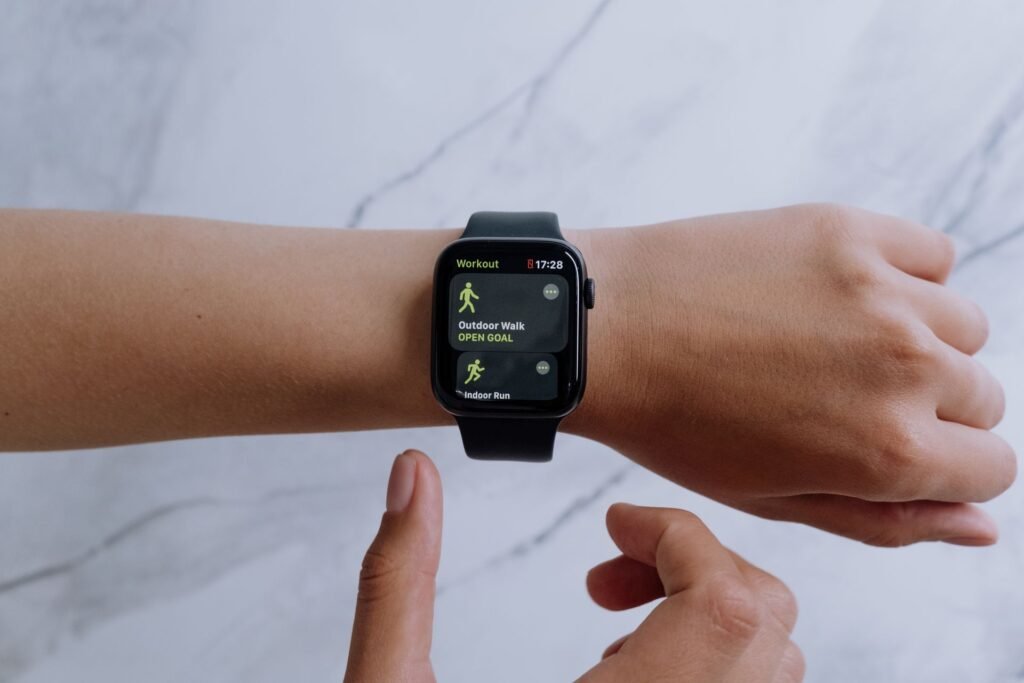
Featured image: cottonbro studio on Pexels.
About this article: GeekBlog covers U.S. technology news, AI, phones, smartwatches and gaming. Every story is written and checked under our Editorial Policy. Spotted a mistake or have a story tip? Contact our editors.
