

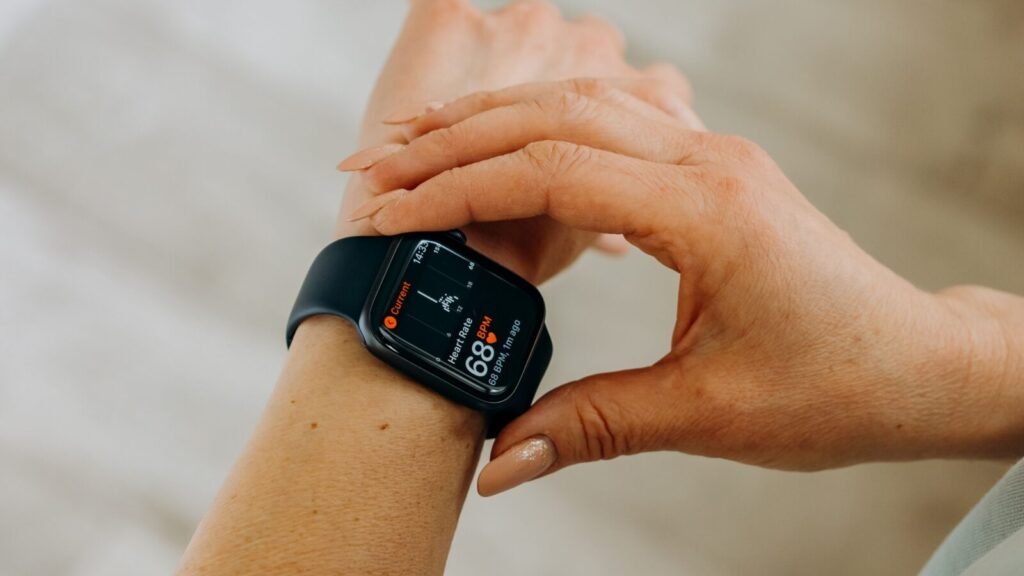
A few years ago, a smartwatch was mostly a notification screen for your wrist. In 2026, it is closer to a small clinic. Apple’s hypertension notifications cleared the FDA last fall, Samsung’s on demand blood pressure feature finally reached the United States this spring, and Garmin, Withings, and Google are all racing to prove their sensors are worth trusting with something as personal as your heart rhythm or your sleep quality.
That race is good news for buyers, but it also means the marketing has gotten louder than the science in a few places. This guide walks through which smartwatch for health monitoring actually backs up its claims with regulatory clearance, which ones are collecting genuinely useful wellness trends, and which brand fits the kind of health tracking you actually care about.
Short answer
For most people, the Apple Watch Series 11 or the redesigned Ultra 4 is the safest all around pick, thanks to FDA cleared ECG, hypertension notifications, and sleep apnea detection in one device. Android users get nearly the same medical grade coverage from the Samsung Galaxy Watch 8. If you want the longest battery life and the most detailed recovery data, Garmin wins on everything except regulatory clearance. And if you want a real ECG in a watch that looks nothing like a gadget, the Withings ScanWatch 2 is the one to check out.
What “Health Monitoring” Actually Means on a Smartwatch
“Health features” is a broad label that covers a lot of very different technology. Some of it is a genuine, FDA reviewed medical function. Some of it is a wellness estimate that has never been through clinical review at all. Before comparing devices, it helps to know what you are actually looking at on the spec sheet.
- Heart rate and HRV. Nearly every smartwatch tracks this continuously with an optical sensor. It is the foundation almost everything else is built on.
- ECG (electrocardiogram). A single lead heart rhythm reading you trigger yourself, used mainly to flag possible atrial fibrillation. Only a handful of brands have FDA clearance for this.
- Blood oxygen (SpO2). Useful for spotting overnight breathing irregularities and altitude effects, though accuracy varies a lot between brands.
- Hypertension and sleep apnea notifications. Newer, pattern based features that watch your data over weeks and flag you only if something looks consistently off, rather than giving you a single number.
- Body composition and skin temperature. Extra sensors, mostly on Samsung and Apple devices, used for wellness trends rather than diagnosis.
That last distinction matters more than most buying guides admit. A watch that gives you a confident sounding number is not automatically more accurate than one that just watches for a pattern. Our breakdown of how blood pressure tracking actually works across brands goes deeper into exactly where that line sits for one specific metric, and the same logic applies to almost every health claim on this list.
Best Smartwatches for Health Monitoring in 2026, Compared
| Device | Standout Health Sensors | FDA-Cleared Features | Battery Life | Starting Price |
|---|---|---|---|---|
| Apple Watch Series 11 / Ultra 4 | ECG, hypertension notifications, sleep apnea detection, Vitals baseline | ECG, hypertension notifications, sleep apnea detection | Up to 24 hours (Ultra up to 42) | From $399 |
| Samsung Galaxy Watch 8 / Ultra | ECG, body composition (BIA), on demand blood pressure, skin temperature | ECG, sleep apnea detection | Up to 40 to 60 hours | From $349 |
| Garmin Venu 4 / Forerunner | HRV Status, Body Battery, Training Readiness, Pulse Ox | None (wellness features only) | Up to 8 days | From $349 |
| Withings ScanWatch 2 | Hybrid analog design, ECG, SpO2, skin temperature | ECG, SpO2 | Up to 30 days | From $349 |
| Google Pixel Watch 4 / Fitbit | ECG, Daily Readiness Score, irregular rhythm notifications | ECG | Up to 24 to 40 hours | From $349 |
Numbers on a spec sheet only tell part of the story, though. The chart below shows where each brand actually stands once you separate a real, cleared medical feature from a general wellness estimate.
The Best Picks, Broken Down
Best overall: Apple Watch Series 11, or the new Ultra 4
Apple has quietly built the most complete health sensor suite of any mainstream smartwatch. Series 11 and Ultra models run FDA cleared ECG, hypertension notifications that watch your blood vessel response over a rolling 30 day window, and sleep apnea detection for users 18 and older. The Vitals app then takes overnight heart rate, respiratory rate, wrist temperature, and sleep duration and quietly builds a personal baseline, so it can tell you when something is actually different rather than just showing raw numbers with no context.
The redesigned Ultra 4, which lands today with a thinner case and a dedicated new blood pressure sensor, pushes that even further for anyone who wants Apple’s medical grade tracking in a more rugged, longer lasting body. If you are curious what changed under the hood, we covered the Ultra 4’s redesign and its new blood pressure feature in detail. The tradeoff with any Apple Watch is still battery life. Even the Ultra needs a charge roughly every day and a half of heavy use, so plan on nightly charging unless you buy the largest Ultra case.
Best for Android: Samsung Galaxy Watch 8 and Watch Ultra
Samsung comes closest to matching Apple’s clearance list while running on Android. The Galaxy Watch 8 has FDA cleared ECG and sleep apnea detection, plus a bioelectrical impedance sensor for body composition and a skin temperature sensor that feeds into cycle tracking and general recovery scores. Its on demand blood pressure feature is genuinely useful too, it just is not a diagnostic tool. Samsung positions it as a wellness estimate, and it needs recalibrating against a real upper arm cuff roughly every four weeks to stay accurate.
For Samsung phone owners specifically, that combination of clinical grade ECG plus a genuinely useful wellness layer on top makes the Galaxy Watch the easiest recommendation on this list, and it typically runs two to three days between charges depending on the display mode you use.
Best for training and recovery data: Garmin
Garmin plays a different game entirely. Its watches do not have FDA cleared ECG, and its Pulse Ox sensor is explicitly labeled as trend data rather than a diagnostic reading. What Garmin offers instead is depth. HRV Status, Body Battery, Training Readiness, and stress tracking pull from the same continuous heart rate data every other brand collects, but Garmin turns it into genuinely actionable daily guidance about whether to push hard or rest. If you already pay close attention to your resting heart rate as the number worth watching, Garmin’s tools are built specifically around that kind of daily trend reading, and a Venu or Forerunner will comfortably run a full week or more before you need a charger.
Best low profile ECG: Withings ScanWatch 2
If the whole idea of a chunky touchscreen on your wrist bothers you, the ScanWatch 2 is the one exception on this list worth knowing about. It looks like a normal analog watch, with a small secondary dial for step count or heart rate, yet it still carries FDA cleared ECG and SpO2 sensors, plus skin temperature tracking. Battery life is measured in weeks rather than hours, since there is no always on color display draining it. You lose smartwatch conveniences like full app support and detailed maps, but for pure discreet health tracking it is hard to beat.
Best value: Google Pixel Watch 4 and Fitbit
Google’s Fitbit lineup and the Pixel Watch share the same health engine now, including FDA cleared ECG and irregular heart rhythm notifications. The Daily Readiness Score does a solid job of translating sleep and HRV into a simple number telling you whether today is a good day for a hard workout. It is not as deep as Garmin’s tools or as broad as Apple’s, but for the price it covers the essentials well, and Fitbit’s own trackers remain some of the most affordable devices with a real FDA cleared ECG sensor at all.
Wellness feature or medical device? Read the fine print
Every brand on this list uses the phrase “not intended to diagnose or treat” somewhere in its fine print, and that line matters. FDA clearance means a specific feature, like Apple’s ECG or Samsung’s sleep apnea detection, went through a formal review process. A “wellness” label means the company chose not to submit it for that review, which does not automatically mean it is inaccurate, but it does mean nobody outside the company has independently checked it. Treat wellness estimates as a nudge to pay attention, not as a lab result.
How to Choose Based on What You Actually Want to Track
- Worried about heart rhythm or blood pressure trends: Apple Watch or Samsung Galaxy Watch, since both carry FDA cleared ECG plus a hypertension or blood pressure feature.
- Training for a race or serious about recovery: Garmin, for the depth of its Training Readiness and Body Battery data alone.
- Want real health sensors without looking like you are wearing a gadget: Withings ScanWatch 2.
- Buying for an older parent or relative: prioritize fall detection, a simple layout, and cellular calling over raw sensor count. Our guide to the best smartwatch for seniors covers that specific case in more depth.
- On a tighter budget: Google Pixel Watch or Fitbit still get you a real FDA cleared ECG without the higher price tag.
Frequently Asked Questions
Which smartwatch has the most accurate heart rate monitoring?
Apple Watch and Garmin consistently score well in independent accuracy testing against chest strap monitors, especially during steady state activity like walking or running. Accuracy drops on every brand during high intensity interval training or if the watch is worn loosely, so a snug fit matters more than which logo is on the face.
Can a smartwatch actually detect an irregular heartbeat or AFib?
Apple Watch, Samsung Galaxy Watch, Google Pixel Watch and Fitbit, and the Withings ScanWatch 2 all include an FDA cleared ECG feature that can flag signs consistent with atrial fibrillation during an on demand reading. None of them are meant to replace a cardiologist. Treat a positive reading as a reason to book an appointment, not as a diagnosis.
Do I need an FDA cleared smartwatch for everyday health tracking?
Not necessarily. For general fitness, sleep, and stress trends, an accurate wellness estimate from a brand like Garmin is plenty useful. FDA clearance matters most for the metrics tied directly to a medical decision, like an irregular heart rhythm or a hypertension pattern, where you want a feature that has actually been reviewed rather than an unverified formula.
Which smartwatch is best for sleep and stress tracking?
Samsung and Apple both offer FDA cleared sleep apnea detection, which sets them apart for anyone concerned about breathing disturbances specifically. For general sleep stage and stress tracking, Garmin’s Body Battery and Fitbit’s sleep score are both well regarded and tend to update with more nuance day to day than a simple hours slept number.
Final Verdict
There is no single best smartwatch for health monitoring in 2026, only a best one for what you are actually trying to catch. If you want the broadest set of FDA cleared features in one device and do not mind charging every night, the Apple Watch Series 11 or the new Ultra 4 covers the most ground. Android owners get nearly the same coverage from the Samsung Galaxy Watch 8. If your priority is understanding training load and recovery rather than medical style alerts, Garmin remains the deepest option by a wide margin, and if you just want a real ECG sensor without carrying a computer on your wrist, the Withings ScanWatch 2 is worth the tradeoff in smartwatch features.
Whichever one you pick, remember the sensor on your wrist is a screening tool, not a substitute for an actual checkup. Use it to notice patterns early, then let a real doctor make the call.
