

Google Labs has a habit of quietly testing ideas that later show up in products everyone uses, and its newest experiment is aimed squarely at how software gets written when nobody in the room can actually code. On August 25, 2026, the team launched Play with Putty, a browser based tool where several people join the same virtual room, describe in plain English what they want to build, and watch an AI model generate the working app or website live while everyone in the room sees the changes appear in real time.
The tagline Google chose for the launch, “great minds think play alike,” gives away the pitch. This is not another solo coding assistant bolted onto an editor. It is vibe coding, the now common practice of describing software in natural language instead of writing it line by line, rebuilt from the ground up as something closer to a shared whiteboard than a private workspace.
The short version
- Google Labs launched Play with Putty on August 25, 2026, a real time, multiplayer vibe coding experiment
- Multiple people share one workspace, describing what to build in natural language while everyone watches the code and preview update live
- Access is waitlist only for now, following the same staged rollout Labs uses for most of its experiments
- It lands in a crowded field that already includes Cursor, Lovable, Replit and v0, most of which are single player tools
- Collaboration, not raw generation quality, is the actual bet, since most rivals still treat vibe coding as one person and one prompt box at a time
What actually happens inside a Putty session
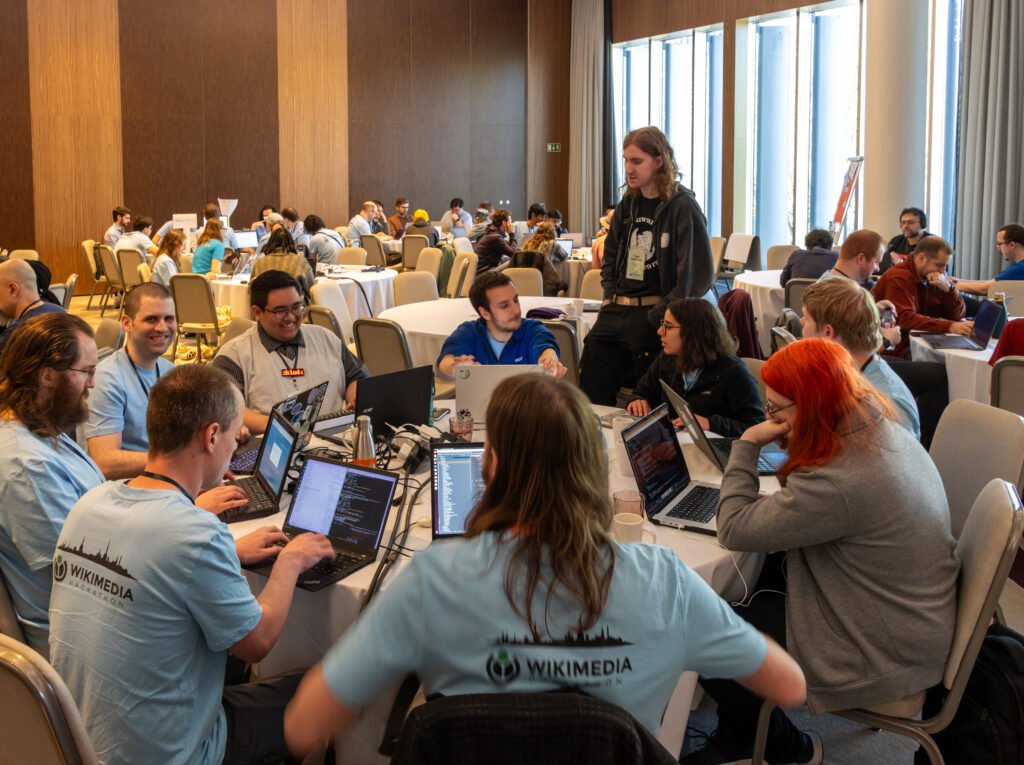
The mechanics are simple by design. A group enters a shared workspace, the same link works for everyone, and each participant can type instructions describing the tool or site they want to exist. The underlying model interprets those instructions, writes the code, and renders a live preview that updates for the whole group at once, not just the person who typed the last prompt. Nobody needs to know how to program to contribute meaningfully. Anyone in the room can suggest the next change, and the group effectively steers the build together the way a team might sketch ideas on a shared whiteboard, except the whiteboard compiles.
That real time, shared nature is the entire differentiator. Most of what currently gets called vibe coding, including well known tools like Replit, which spent nine years finding its market before AI coding made it suddenly relevant, is still fundamentally a solo experience. One person describes what they want, one model responds, and collaborators typically review the result afterward rather than shaping it as it happens. Putty is Google’s bet that the more interesting unlock is not a smarter model, it is putting several people’s intent into the same prompt stream at once.
A crowded field that has mostly ignored the “multiplayer” part
Vibe coding tools have split into two camps by 2026. App builders like Lovable and Replit generate a full working product, front end and back end, from a plain language description, and both have leaned into collaboration features, with Lovable allowing unlimited collaborators on every plan. Editor based assistants like Cursor and GitHub Copilot instead sit inside a code editor, giving a single developer an agent that is one keystroke away. Neither camp has made real time, same room, same prompt stream collaboration its central feature the way Putty does.
| Tool | Category | Collaboration model |
|---|---|---|
| Play with Putty | Multiplayer app builder | Real time, shared prompt stream, live for the whole room |
| Lovable | App builder | Unlimited collaborators, shared credits, async by default |
| Replit | App builder / IDE | Google Docs style co-editing inside a browser IDE |
| Cursor | Editor based agent | Single developer, agent embedded in a personal editor |
| v0 (Vercel) | Component / UI generator | Primarily solo, output shared after generation |
That gap is exactly what Google appears to be probing. It follows a similar pattern to Microsoft’s recent decision to retire and merge several Copilot features rather than keep expanding them separately, another sign that the major platform players are still actively rethinking, not just iterating on, what an AI coding tool should even look like at its core. For Google specifically, Putty also extends a broader AI development push the company has been building toward all year, including the aggressive developer tooling roadmap laid out at Google I/O 2026, where AI assisted development was one of the company’s clearest priorities.
Why speed keeps resetting expectations for tools like this
Part of what makes multiplayer vibe coding plausible now, rather than three years ago, is that the underlying models generating the code have gotten dramatically faster, not just smarter. When a model can turn a plain language request into working code in a couple of seconds instead of thirty, a shared session stops feeling like taking turns and starts feeling like a real conversation. That speed shift has been a recurring theme across the industry this year, visible in OpenAI’s own push to make GPT-5.6 Sol run 14 times faster using specialized inference hardware rather than waiting on the next generation of general purpose chips. Multiplayer coding tools live or die on exactly that kind of latency, since a room full of people waiting on a slow model stops collaborating and starts scrolling their phones.
Who this is actually for, and who should stay skeptical
Google has been careful to frame Putty as an experiment, not a product, and the waitlist gating reinforces that. The likeliest early audience is small teams prototyping quickly, classrooms teaching programming concepts without the syntax overhead, and hackathon style events where speed and shared ownership matter more than production grade code. It is much less obvious the tool is ready, or intended, for teams shipping software that other people actually depend on, where code review, security practices and a single accountable owner still matter a great deal.
The healthy skepticism running through most early coverage boils down to one question: does a shared prompt stream actually produce better software, or does it just produce software faster with more people in the room to spread the blame if it breaks? Google has not answered that yet, and with the tool still behind a waitlist, most developers will not get to test the claim themselves for a while.
What to watch next
Google has not said when Play with Putty will move past its wave based waitlist rollout, which is the same staged approach Labs has used for nearly every experiment it has shipped. The bigger signal to watch is whether Google folds any of Putty’s real time collaboration mechanics into its mainstream developer products, Firebase Studio or Gemini’s coding tools among the likeliest candidates, the way past Labs experiments have often served as a testing ground before a feature graduates into something with a much bigger user base. If multiplayer prompting turns out to actually make teams faster rather than just noisier, expect Cursor, Replit and Lovable to start building their own version of it within the year.
About this article: GeekBlog covers U.S. technology news, AI, phones, smartwatches and gaming. Every story is written and checked under our Editorial Policy. Spotted a mistake or have a story tip? Contact our editors.
