

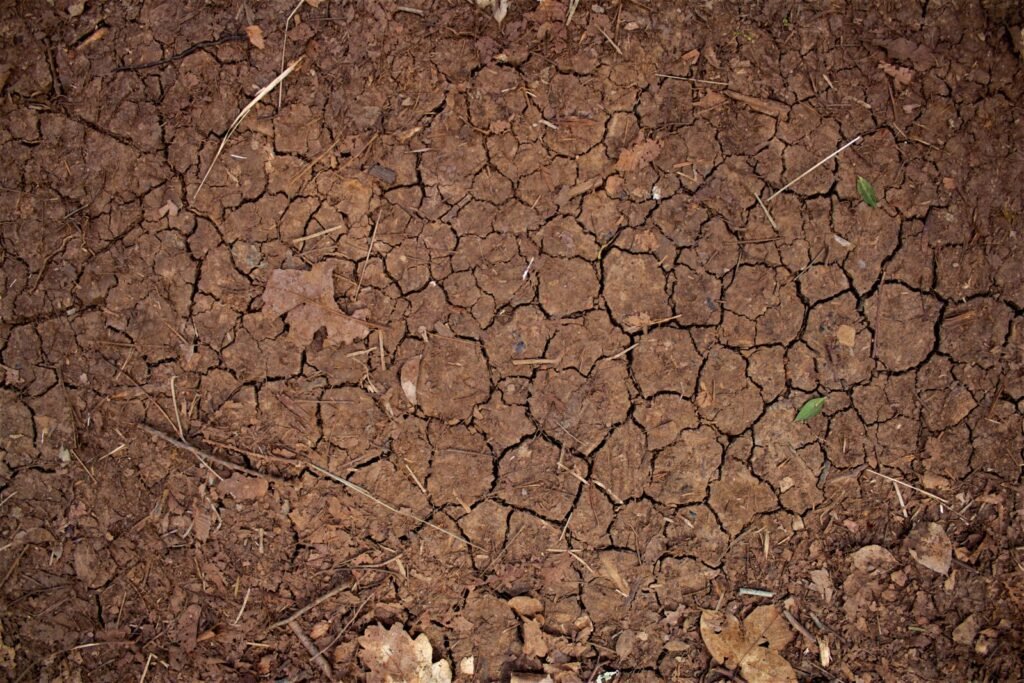
When people hear “El Niño,” they tend to think of a wetter winter or a weird hurricane season. Scientists are now asking us to think about it the way we think about a pandemic. As UNILAD Tech reported, a Yale epidemiologist has warned that the El Niño building in the Pacific right now could cause “pandemic-scale mortality,” with modeling suggesting around half a million extra heat deaths worldwide.
That’s a scary headline, and it deserves a closer look. Where does that number come from? How solid is it? And why is this particular El Niño worrying forecasters so much more than the usual ones? We dug into the research behind it.
The short version
- A Climate Impact Lab report estimates 451,000 extra heat-related deaths worldwide between June 2026 and February 2027.
- Yale’s Dr. Colin Carlson says that could rival or exceed the 2009 swine flu pandemic, which killed an estimated 284,000 people.
- Pacific Ocean temperatures hit 3.05°C above normal in September, the highest anomaly for any El Niño on record.
- The World Meteorological Organization says 2027 could be the hottest year ever recorded.
- The estimate is a model, not a prediction, and it hasn’t been peer-reviewed yet. But independent experts call it plausible.
What scientists are actually saying
The “pandemic-scale” framing comes from Dr. Colin Carlson, an assistant professor of epidemiology at Yale University. Speaking to The Telegraph, he said the 2026-27 El Niño could cause “pandemic-scale mortality,” and that the toll could end up deadlier than the 2009 swine flu pandemic.
It sounds dramatic, but the comparison makes a fair point. Heat kills quietly. People die at home, often older people living alone, and death certificates frequently list heart failure or kidney failure rather than heat. A pandemic gets daily case counts and press conferences. A heat disaster of the same size can pass almost unnoticed.
The number behind Carlson’s warning comes from the Climate Impact Lab, a team of scientists, economists and data engineers headquartered at the University of Chicago. Its report, published in September, estimates that El Niño-driven heat could cause about 451,000 deaths between June 2026, when El Niño officially arrived, and February 2027. Those deaths are on top of the heat deaths you’d expect in a normal year.
“This is such a large number that it can be numbing, but it is made up of parents and children, grandparents and neighbors, people going to work, caring for families, and living their lives,” said Michael Greenstone, a report author and economics professor at the University of Chicago.
Where the deaths would happen
The burden falls overwhelmingly on the Global South, where it’s already hot, air conditioning is rare, and health systems are stretched. Here’s how the projections break down for the countries named in the report:
Projected extra heat deaths from El Niño
June 2026 to February 2027, selected countries
Nigeria
Indonesia
India
Brazil
United States
Source: Climate Impact Lab, as reported by CNN and others. Sudan is also listed among the highest-risk countries. The wider Sahel region accounts for about 66,800 projected deaths.
The United States lands in the top 20 most affected countries with a projected 3,500 extra deaths. For a sense of scale, U.S. death certificates recorded more than 2,300 heat-related deaths in all of 2023, which was a record at the time. So El Niño alone could add more than a full bad year’s worth.
Why this El Niño is different
El Niño is a natural pattern. Every two to seven years, the trade winds over the Pacific weaken, warm water sloshes east, and weather shifts around the world. On its own, it isn’t caused by climate change. The problem is that this one is unusually strong, and it’s landing on a planet that’s already about 1.4°C warmer than before the industrial era.
Forecasters measure El Niño strength by how far sea surface temperatures in the equatorial Pacific rise above normal. NOAA classifies 0.5°C as weak, 1°C as moderate, 1.5°C as strong and 2°C as very strong. In September, the reading hit 3.05°C. Here’s how that compares with the biggest El Niños of the past few decades:
How strong is this El Niño?
Peak equatorial Pacific temperature anomaly, °C above normal
2023-24
1982-83
1997-98
2015-16
2026-27 (September reading)
Past events use NOAA’s three-month Oceanic Niño Index peaks. The 2026 figure is a single-month reading reported from NOAA data, so the comparison isn’t perfectly like for like, but it’s still well beyond anything on record.
The WMO doesn’t officially use the word “super,” but its Secretary-General, Celeste Saulo, didn’t hold back when she presented the agency’s State of the Climate update at COP31 in Antalya, Türkiye. “This 2026/2027 El Niño is off the charts. It is different from any El Niño that we have monitored,” she said.
Saulo also explained something that’s easy to misunderstand. El Niño doesn’t create new heat. It releases heat that’s been stored in the ocean. But with ocean heat content at a record high for the tenth year in a row, there’s simply a lot more heat available to release. The first nine months of 2026 already averaged about 1.47°C above pre-industrial levels, and the last four years have been the four hottest on record.
There’s also a timing problem. El Niño usually has its biggest effect on global temperatures in the year after it forms. That’s exactly what happened after the 2023 event, when 2024 became the hottest year ever measured. “We should therefore prepare for another record-breaking year in 2027,” Saulo said.
How solid is the 451,000 estimate?
Here’s what you should know before sharing that number. The Climate Impact Lab’s report hasn’t been peer-reviewed yet. The team released it early on purpose. “Given that there is still time now for policymakers and others to take action to prevent these deaths, we felt our findings couldn’t wait for the peer review process to play out,” a spokesperson said.
| What the model does | Why it matters |
|---|---|
| Uses temperature and mortality data from 24,000+ regions | It captures local differences, like how a hot day in Lagos compares with one in Chicago. |
| Combines seasonal forecasts with peer-reviewed methods | The methods are established, even if this specific report isn’t reviewed yet. |
| Compares against an average year from 1996 to 2025 | The 451,000 figure is extra deaths on top of a normal baseline. |
| Projects land temperatures 1.2°C (2.1°F) above normal | That means about 44% more extreme heat days than usual. |
| Stops in February 2027 | El Niño is expected to last into spring, so the real toll could be higher. |
Raquel Nunes, an associate professor in health and environment at the University of Warwick who wasn’t involved in the research, put it well: “The estimate of 451,000 deaths is plausible as a modeling exercise, but it should not be viewed as a definitive prediction. Its value lies in highlighting the potentially severe consequences of El Niño-driven extreme heat and the urgent need for preparedness.”
And heat is only part of the picture. The estimate doesn’t include deaths from the floods, droughts, wildfires and crop failures that strong El Niños bring. History shows how bad those can get. The El Niño of 1876 to 1878 triggered droughts across India, China, Brazil and parts of Africa, and the famines that followed killed an estimated tens of millions of people. Modern food systems and aid make a repeat of that scale very unlikely, but it shows why scientists take a “very strong” event seriously.
For a look at what this El Niño could mean for your own winter weather, state by state, check out our earlier super El Niño winter forecast for the U.S.
Heat illness: the signs to know
Most heat deaths are preventable if someone recognizes the warning signs early. Next summer is when this matters most for the Northern Hemisphere, but it’s worth knowing now, especially if you have older relatives or work outdoors.
| Heat exhaustion | Heat stroke | |
|---|---|---|
| Skin | Cool, pale, clammy, heavy sweating | Hot and red, may be dry or damp |
| Pulse | Fast and weak | Fast and strong |
| Mind | Dizzy, tired, headache, nausea | Confused, slurred speech, may pass out |
| Body temperature | Normal to slightly high | 103°F (39.4°C) or higher |
| What to do | Move somewhere cool, loosen clothes, sip water | Call 911 right away and cool the person down |
Based on CDC guidance on heat-related illness.
Simple steps that actually save lives
Turn on heat alerts in your phone’s weather app. Check on older neighbors and relatives during heat waves, ideally twice a day. Know where your nearest cooling center is before you need it. And remember that fans alone don’t protect you once temperatures climb past the mid-90s, so get somewhere air-conditioned.
The Climate Impact Lab’s own recommendations for governments are similar, just bigger: early heat warnings, health action plans, cooling and hydration centers, and better healthcare coverage. “Increasing emergency response and better targeting our efforts can save many lives this year,” said report co-author Tamma Carleton.
The takeaway
The “pandemic-scale” warning is backed by a real, if not yet peer-reviewed, model that projects about 451,000 extra heat deaths by February, most of them in Africa, Asia and South America. This El Niño is the strongest on record by at least one key measure, and the WMO expects 2027 to be the hottest year ever. The authors call it a “postcard from our future,” showing the kind of heat climate change is set to make normal in about 20 years. The good news is that heat deaths are among the most preventable kind, if warnings go out and people act on them.
About this article: GeekBlog covers U.S. technology news, AI, phones, smartwatches and gaming. Every story is written and checked under our Editorial Policy. Spotted a mistake or have a story tip? Contact our editors.
