
Close Menu
GeekBlog

    Subscribe to Updates

    Get the latest creative news from FooBar about art, design and business.

    What's Hot

    Android 17 Has Been Out Since June. Your Phone Probably Still Does Not Have It.

    August 17, 2026

    A Black Hole Shredded a Super Sun. Astronomers Now Think Part of It Survived.

    August 16, 2026

    France Passed Europe’s First Under-15 Social Media Ban. Its Own Top Court Just Killed It.

    August 16, 2026
    Facebook X (Twitter) Instagram Threads
    GeekBlog
    • Home
    • Mobile
    • Tech News
    • Blog
    • How-To Guides
    • AI & Software
    Facebook
    GeekBlog
    Home»Tech News»X-rays reveal kingfisher feather structure in unprecedented detail
    Tech News

    X-rays reveal kingfisher feather structure in unprecedented detail

    Michael ComaousBy Michael ComaousFebruary 18, 20264 Mins Read
    Share Facebook Twitter Pinterest LinkedIn Tumblr Email Copy Link
    Forest kingfisher with bright blue plumage mid-flight in Queensland
    Share
    Facebook Twitter LinkedIn Pinterest Email Copy Link

    A spongy nanostructure

    Scanning a Qing dynasty screen with x-ray fluorescence spectroscopy

    Northwestern University

    Scanning a Qing dynasty screen with x-ray fluorescence spectroscopy

    Northwestern University


    China​ Cap, Qing dynasty (1644–1912), 18th–19th century, Gold wire, kingfisher feathers, amber, coral, jadeite, ivory, glass and silk

    China​ Cap, Qing dynasty (1644–1912), 18th–19th century, Gold wire, kingfisher feathers, amber, coral, jadeite, ivory, glass and silk

    courtesy of The Art Institute of Chicago
    China​ Cap, Qing dynasty (1644–1912), 18th–19th century, Gold wire, kingfisher feathers, amber, coral, jadeite, ivory, glass and silk

    courtesy of The Art Institute of Chicago

    Scanning a Qing dynasty screen with x-ray fluorescence spectroscopy

    Northwestern University

    China​ Cap, Qing dynasty (1644–1912), 18th–19th century, Gold wire, kingfisher feathers, amber, coral, jadeite, ivory, glass and silk

    courtesy of The Art Institute of Chicago


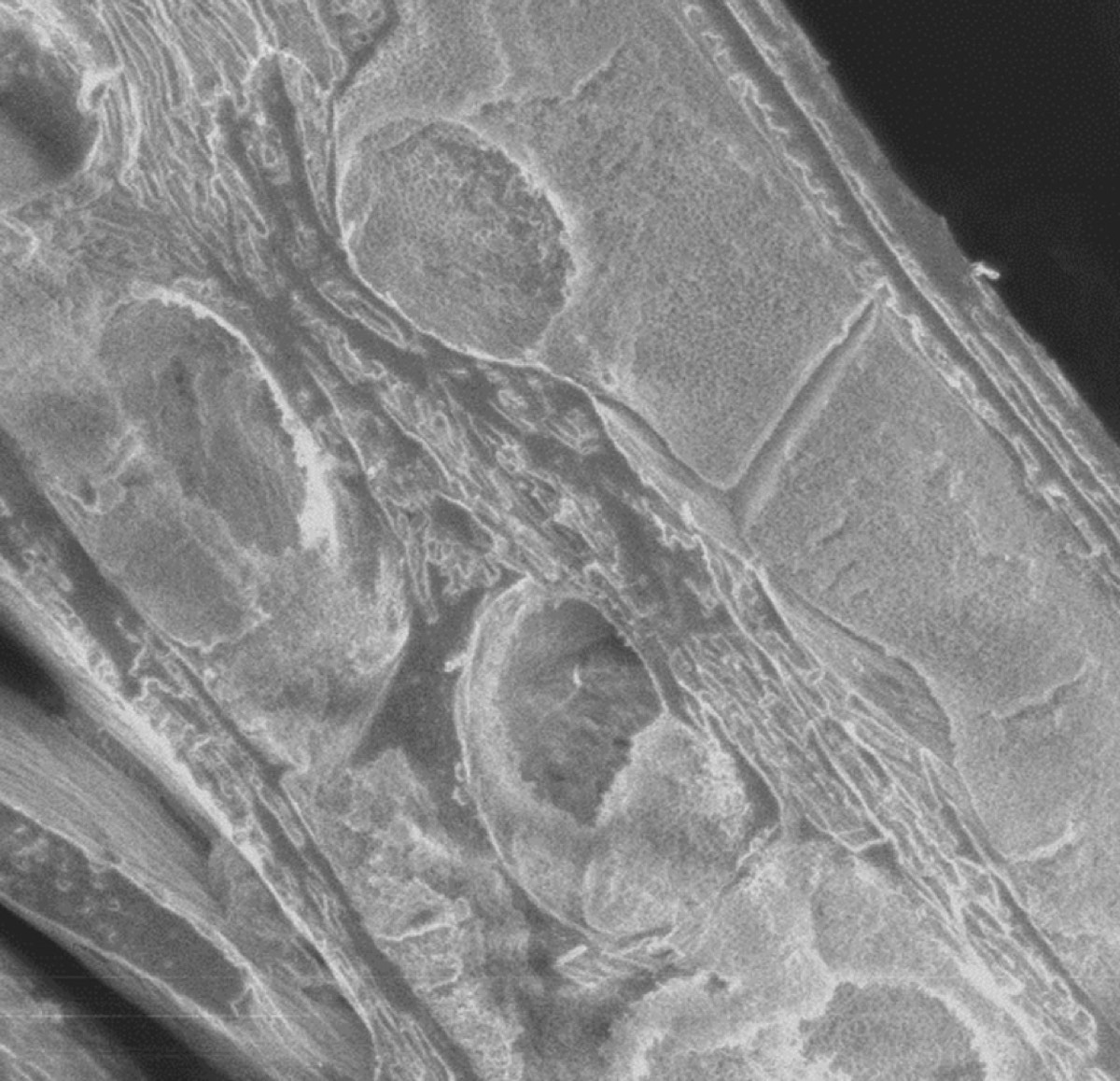
    A scanning electron microscopy image of Kingfisher feathers reveals the semi-ordered nanostructure

    A scanning electron microscopy image of Kingfisher feathers reveals the semi-ordered nanostructure

    Maria Kokkori/Northwestern University
    A scanning electron microscopy image of Kingfisher feathers reveals the semi-ordered nanostructure

    Maria Kokkori/Northwestern University


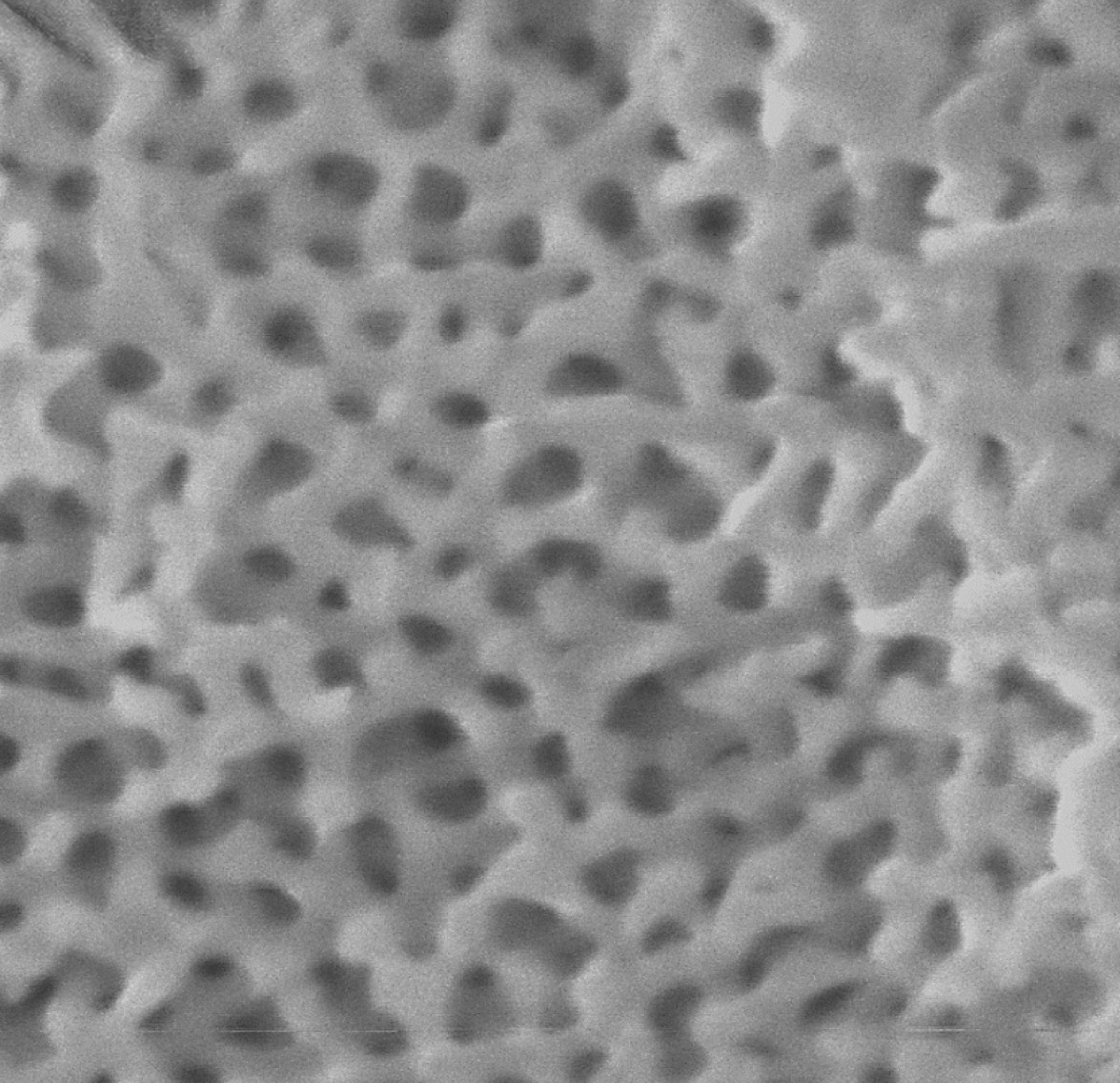
    By increasing the magnification of the scanning electron microscopy image, researchers discovered a nanoscale, spongey architecture.

    By increasing the magnification of the scanning electron microscopy image, researchers discovered a nanoscale, spongey architecture.

    Maria Kokkori/Northwestern University

    Recommended for you:

    Meta is shutting down Messenger’s standalone website
    Tech News·Feb 19, 2026

    Meta is shutting down Messenger’s standalone website

    By increasing the magnification of the scanning electron microscopy image, researchers discovered a nanoscale, spongey architecture.

    Maria Kokkori/Northwestern University

    A scanning electron microscopy image of Kingfisher feathers reveals the semi-ordered nanostructure

    Maria Kokkori/Northwestern University

    By increasing the magnification of the scanning electron microscopy image, researchers discovered a nanoscale, spongey architecture.

    Maria Kokkori/Northwestern University

    The Northwestern team started looking at kingfisher feathers in tian-tsui objects via postdoc Madeline Meier, who has a background in chemistry and nanostructures, and was interested in combining that expertise with studies of cultural heritage. The first step was to identify the bird species that provided the feathers used in Qing dynasty screens and panels, as well as other materials used. Researchers carefully scraped away the topmost layers and imaged the feathers with scanning electron microscopy to get a better look at the underlying nanostructure. Hyperspectral imaging revealed how different areas of the screens absorbed and reflected light.

    The team also made use of the center’s partnership with Chicago’s Field Museum, comparing the screen feathers with the museum’s vast collection of taxidermied bird species. The screens and panels contained feathers from common kingfishers and black-capped kingfishers, as well as mallard ducks (used to add green hues). Finally, x-ray fluorescence and Fourier-transform infrared spectroscopy enabled them to create a map of the various chemicals used in the gilding, pigments, glues, and other materials.

    Most recently, the lab has partnered with Argonne National Laboratory and used synchrotron radiation to get an ever-better look at the nanostructure of kingfisher feathers. Synchrotron radiation differs from conventional X-rays in that it’s a thin beam of very high-intensity X-rays generated within a particle accelerator. Electrons are fired into a linear accelerator (linac), get a speed boost in a small synchrotron, and are injected into a storage ring, where they zoom along at near-light speed. A series of magnets bend and focus the electrons, and in the process, they give off X-rays, which can then be focused down beam lines.

    Recommended for you:

    F1: Preseason tests shows how different 2026 will be
    Tech News·Feb 19, 2026

    F1: Preseason tests shows how different 2026 will be

    That makes it ideal for noninvasive imaging, since in general, the shorter the wavelength used (and the higher the energy of the light), the finer the details one can image and/or analyze. It has become a popular technique for imaging fragile archaeological artifacts without damaging them—like Qing dynasty headdresses with inlays of kingfisher feathers. In this case, the imaging revealed that the feathers’ microscopic ridges have an underlying semi-ordered, porous, sponge-like shape that reflect and scatter light, thereby giving the feathers their gloriously brilliant hues.

    “Long admired in Chinese poetry and art, kingfisher feathers have amazing optical properties,” co-author Maria Kokkori said. “Our discoveries not only enhance our understanding of historical materials but also reshape how we think about artistic and scientific innovation, and the future of sustainable materials.”

    Source: arstechnica.com

    Share. Facebook Twitter Pinterest LinkedIn Tumblr Telegram Email Copy Link
    Previous ArticleIndia’s Sarvam wants to bring its AI models to feature phones, cars and smart glasses
    Next Article Big Tech Says Generative AI Will Save the Planet. It Doesn’t Offer Much Proof
    Michael Comaous
    • Website

    Michael Comaous is a dedicated professional with a passion for technology, innovation, and creative problem-solving. Over the years, he has built experience across multiple industries, combining strategic thinking with hands-on expertise to deliver meaningful results. Michael is known for his curiosity, attention to detail, and ability to explain complex topics in a clear and approachable way. Whether he’s working on new projects, writing, or collaborating with others, he brings energy and a forward-thinking mindset to everything he does.

    Related Posts

    8 Mins Read

    A Black Hole Shredded a Super Sun. Astronomers Now Think Part of It Survived.

    7 Mins Read

    France Passed Europe’s First Under-15 Social Media Ban. Its Own Top Court Just Killed It.

    8 Mins Read

    Microsoft Is Deleting Four Copilot Features on August 18, and One of Them Cannot Be Saved

    8 Mins Read

    Chrome Deletes the Last Real Ad Blockers on August 31, and Firefox Is the Way Out

    8 Mins Read

    There Is a Sealed Blast Bunker 40 Feet Under SpaceX’s Launchpad, and the Only Way In Was a Slide

    7 Mins Read

    One Clause on Page 5 Could Hand Elon Musk $824 Billion Without a Single Robotaxi

    Top Posts

    Microsoft Is Deleting Four Copilot Features on August 18, and One of Them Cannot Be Saved

    August 16, 20262 Views

    Best Low-End Android Games for 2GB/3GB RAM (That Actually Run Well)

    July 11, 20262 Views

    Android 17 Has Been Out Since June. Your Phone Probably Still Does Not Have It.

    August 17, 20261 Views
    Stay In Touch
    • Facebook

    Subscribe to Updates

    Get the latest tech news from FooBar about tech, design and biz.

    Most Popular

    Best Stores for Buying MP3 and Digital Music You Can Keep Forever (2026)

    August 2, 2025930 Views

    Discord will require a face scan or ID for full access next month

    February 9, 2026770 Views

    Trade in your old phone and get up to $1,100 off a new iPhone 17 at AT&T – here’s how

    September 10, 2025383 Views
    Our Picks

    Android 17 Has Been Out Since June. Your Phone Probably Still Does Not Have It.

    August 17, 2026

    A Black Hole Shredded a Super Sun. Astronomers Now Think Part of It Survived.

    August 16, 2026

    France Passed Europe’s First Under-15 Social Media Ban. Its Own Top Court Just Killed It.

    August 16, 2026

    Subscribe to Updates

    Get the latest creative news from FooBar about art, design and business.

    HEICJPG.online - Convert HEIC to JPG online
    Facebook
    • About Us
    • Contact us
    • Privacy Policy
    • Disclaimer
    • Terms and Conditions
    © 2026 GeekBlog

    Type above and press Enter to search. Press Esc to cancel.