

Apple has not confirmed a single spec for the iPhone 18 Pro. It has not shown a render, teased an event, or said the phone’s name out loud. None of that mattered once a ransomware crew calling itself World Leaks got into the systems of Tata Electronics, one of the company’s manufacturing partners in India, and put more than 600 gigabytes of internal files up for anyone to download.
What came out of that breach is not a marketing teaser. It is factory floor reality: supplier maps, component lists, and photos of unreleased iPhones being dropped, bent, and stress tested months before Apple planned to say a word about them.
⭐ Quick facts
- Ransomware group World Leaks posted the stolen data on its dark web site on June 12, 2026, and Tata Electronics confirmed the breach on June 22.
- The haul totals roughly 630.4GB across more than 204,000 files.
- Leaked documents map individual iPhone 18 Pro and iPhone 18 Pro Max components, including chips, battery parts, and camera modules, to the specific suppliers that build them.
- Photos and videos show iPhone 18 Pro prototypes undergoing drop tests at a Tata facility, dated early 2026.
- Files tied to Tesla, TSMC, and Qualcomm were also swept up, along with internal emails and employee passport scans.
- Tata says no production line was disrupted, and there is no evidence any customer payment data was exposed.
What Actually Got Stolen
Tata Electronics is not a name most phone buyers know, but inside Apple’s supply chain it is a serious player, assembling iPhones and components at plants across India as part of Apple’s broader push to build more devices outside China. That makes it a high-value target, and World Leaks treated it accordingly.
The group follows a familiar hack-and-leak playbook: break in, copy as much as possible, threaten to publish unless a ransom is paid, and dump the files when nobody pays. In this case the dump landed on the dark web in mid-June, and by the time Tata Electronics acknowledged the incident ten days later, security researchers and tech outlets had already started sorting through what was inside.
The iPhone 18 Pro material stands out because of how specific it is. Multiple files reportedly break down which company supplies which part, mainboard chips, camera modules, battery components, information Apple treats as closely guarded as the phone’s actual design. Alongside that sit photographs and short video clips of prototype units mid drop test, the kind of internal quality assurance footage that never leaves a lab under normal circumstances.
What the Photos Reveal About the Design
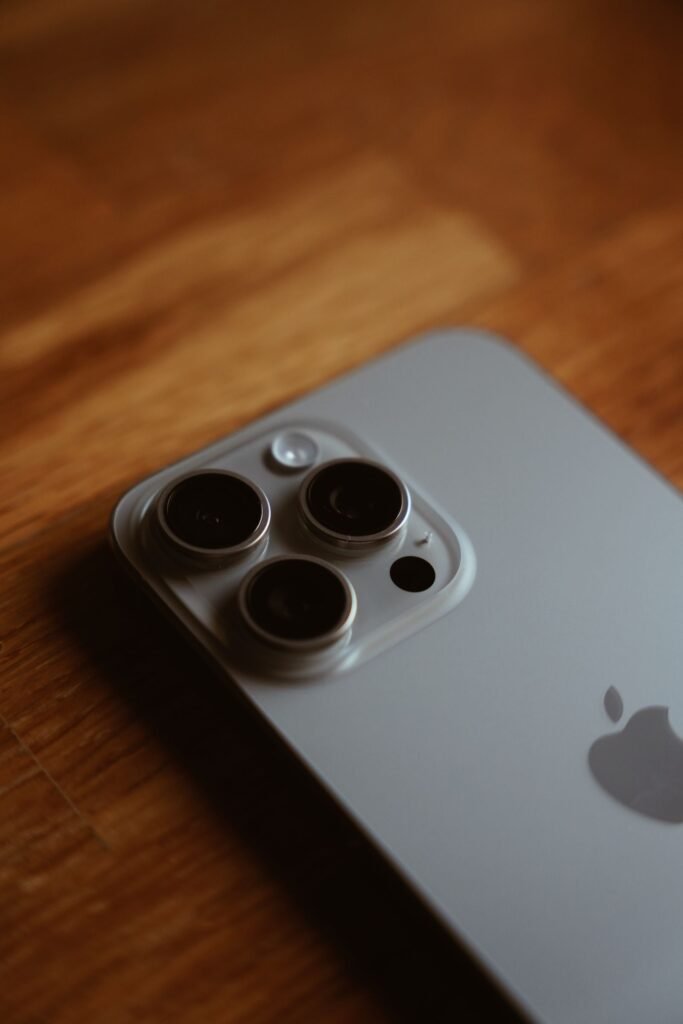
For a device this early in its cycle, the leaked footage is unusually clear. The drop-test units show a conventional slab-style iPhone with a silver finish and flat, squared-off sides that look like aluminum or titanium, closely tracking the language Apple has used for its Pro line since the iPhone 15. The back panel carries a familiar triangular arrangement of three large camera lenses, essentially the same layout as the current iPhone 17 Pro.
That similarity is exactly why online reaction has been muted rather than explosive. Rather than a dramatic redesign, what leaked looks like an iterative update, prompting more than a few commenters to joke that they were looking at an "iPhone 17.01" rather than anything radically new. It is worth remembering these are prototypes captured mid-testing, months before launch, so finishes and details can still change. The drop-test photos do not settle one detail that has been debated for weeks, whether the iPhone 18 Pro ditches its notch for a punch-hole front camera, since none of the leaked images show the screen powered on.
Why Apple Treats This Information Like a State Secret
To an outsider, a spreadsheet mapping chip suppliers might not sound like a big deal. To Apple, it is close to the crown jewels. The company deliberately keeps its component-to-supplier relationships out of public view because that information reveals negotiating leverage, where Apple has multiple vendors bidding against each other for a contract, and where it is stuck relying on a single source with no immediate backup.
Losing control of that map before a product has even launched hands competitors and analysts a rare look at exactly how Apple structures its supply chain, which suppliers are winning business, and where the company’s manufacturing dependencies actually sit. That is a different, and in some ways more damaging, kind of leak than a photo of a phone that was going to be photographed eventually anyway.
The Bigger Picture for Apple and Tata
The timing is awkward on more than one level. Apple has spent the last several years working to shift a meaningful share of iPhone assembly away from China and toward India, with Tata Electronics as one of the central partners in that shift. A breach of this size, touching unreleased Apple hardware alongside Tesla engineering files and documents from chipmakers TSMC and Qualcomm, does not inspire confidence in that transition, even if Tata insists day-to-day operations were never affected.
Tata has been clear that no factory floor or production line was disrupted by the incident, and so far there is no indication that any consumer-facing data, meaning customer names, payments, or personal accounts, was part of what got taken. The exposure here is almost entirely on the business and engineering side: internal emails, event logs, employee passport scans, and now, permanently, a set of photos nobody at Apple wanted the public to see yet.
What This Means Before Launch
None of this changes when the iPhone 18 Pro is actually expected to arrive. Apple’s typical September launch window remains the most likely timeline for the wider iPhone 18 lineup, and a data breach at a component supplier, however embarrassing, is not the kind of event that usually forces a company to change its release date.
What it does change is how much of the surprise is left. Between this leak and the steady drip of camera and display rumors already circulating, Apple is walking into its own keynote with a meaningfully smaller information advantage than usual. It is a reminder that in 2026, a phone’s biggest reveal does not always happen on stage. Sometimes it happens on a dark web forum first, courtesy of a supplier’s security team having a very bad month. Apple is also said to be readying its first foldable iPhone for release around the same window, a device with its own long list of leaks and engineering hurdles, so this will not be the last time the company’s secrecy gets tested before autumn arrives.
About this article: GeekBlog covers U.S. technology news, AI, phones, smartwatches and gaming. Every story is written and checked under our Editorial Policy. Spotted a mistake or have a story tip? Contact our editors.
