

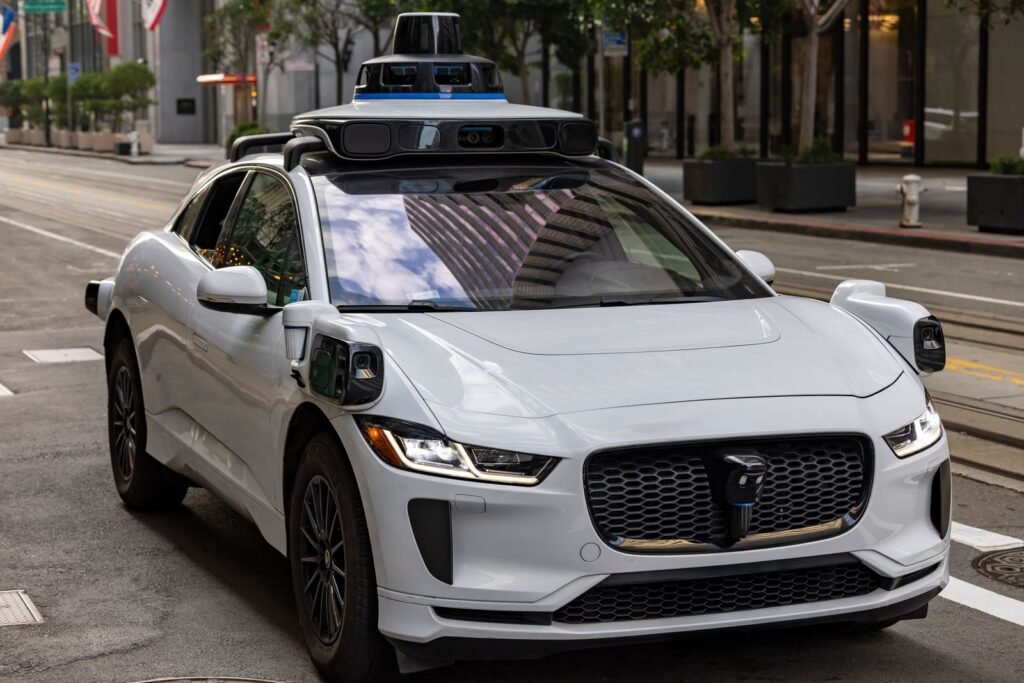
Short version: no, Waymo is usually not cheaper than Uber on the base fare. Across most markets in mid-2026, a Waymo One robotaxi costs about the same as a comparable UberX or runs a modest premium for the novelty of a driverless ride. But once you factor in tipping, surge, and the specific trip, the answer flips often enough that “it depends” is the honest headline.
What the 2026 data actually shows
The most useful numbers come from ride-comparison firm Obi, which has been collecting large samples of real fare offers rather than one-off anecdotes. In their data window spanning late November 2025 through early January 2026, drawn from more than 94,000 ride requests in the San Francisco Bay Area, the averages landed like this:
- Waymo: about $19.69 per ride
- Uber: about $17.47 per ride
- Lyft: about $15.47 per ride
That puts Waymo roughly $2.22 above Uber and $4.22 above Lyft on average, a premium of about 13% over Uber. The more interesting story is the trend. Compared with mid-2025, Waymo’s average fare actually fell about 3.6%, while Uber’s climbed roughly 12% and Lyft’s rose about 7%. In other words, Waymo is holding or cutting prices while human-driven rideshare keeps getting more expensive. The gap that was once large is closing from both directions.
For context, an earlier Obi snapshot from June 2025 had Waymo commanding a much steeper 31% premium over Uber and 41% over Lyft in San Francisco. Watching that 31% shrink toward 13% in about half a year is the single clearest signal in this whole comparison: the “Waymo tax” is real, but it is deflating.
Is Waymo cheaper than Uber? It depends on the city
National averages hide a lot. Waymo uses flat, algorithmic pricing based on distance and time, with no human driver to pay, but its base rates and the local Uber market vary widely from city to city. Here is roughly how the active 2026 markets shake out. Treat the dollar figures as representative estimates from ride-comparison sampling, not fixed rate cards; your quote depends on time of day, exact route, and demand.
Phoenix, Arizona
Waymo’s oldest fully public market is also one of its priciest relative to local rideshare. Short Phoenix trips can run Waymo close to $13 where Uber and Lyft sit near $6. Because Arizona rideshare is cheap and rarely surges hard, Uber tends to win here unless you factor a generous tip into longer rides.
San Francisco
This is where Waymo looks best on long trips. Short hops still favor Uber and Lyft, but around the 8-mile mark, a Waymo ride can undercut an equivalent Uber once you add a standard 15% tip, potentially saving a few dollars on a 15-mile trip. SF is also the market where Uber and Lyft surge hardest, which repeatedly tips the math in Waymo’s favor at rush hour and after events.
Los Angeles
Mixed. Some 2026 sampling shows Waymo as LA’s most expensive option on both short and long rides, while other head-to-head tests on specific 6-mile routes found Waymo landing a hair under UberX, roughly $23.09 versus $23.81, and independent riders occasionally reporting Waymo about $6 cheaper than a comparable Uber or Lyft on a given trip. The spread reflects how much LA pricing swings with traffic and demand. On average, Uber and Lyft remain cheaper, but Waymo is competitive on the right route at the right time.
Austin and Atlanta
These two are special because Waymo rides are dispatched through the Uber app at standard UberX prices. That effectively erases the novelty premium: you pay the UberX rate whether a human or a Waymo shows up, and there is no tip prompt on the autonomous match. In these cities the “is Waymo cheaper than Uber” question nearly collapses, because the price is the same by design, and skipping the tip makes the driverless option marginally cheaper out of pocket.
2026 expansions
The week of July 8, 2026, Waymo went driverless in four new cities at once: Las Vegas, San Diego, Tampa, and Denver, as it pushes toward a target of a million weekly rides. Newer markets like these, plus recently opened Miami and Orlando, are where pricing is least predictable. Vehicle supply is still ramping, so peak-demand prices can climb 20% to 40% above baseline and waits of 8 to 15 minutes are common. Early in a city’s life, Waymo is more likely to be both pricier and slower than a mature Uber market.
The tipping factor changes the math
The most underrated line item is the tip. A Waymo has no driver, so there is nobody to tip and no prompt asking you to. Uber and Lyft riders who tip a customary 15% are effectively paying a surcharge that never appears in the headline fare comparison.
Run the numbers on a $25 ride. Add a 15% tip to the Uber and it becomes $28.75. A $25 Waymo stays $25. That single difference erases roughly 15% of Waymo’s price disadvantage automatically, and on any apples-to-apples, out-of-pocket accounting it is often enough to flip a “slightly more expensive” Waymo into the cheaper choice, especially on longer trips where the tip is a bigger dollar figure. If you are a consistent tipper, Waymo is more competitive for you than the raw meter suggests. If you never tip, Uber’s advantage is larger than the averages imply.
Surge, wait times, and availability
Waymo’s flat algorithmic pricing is its quiet superpower during high demand. It does adjust prices dynamically, but it does not spike the way Uber and Lyft multipliers do during rush hour, storms, concerts, or airport rushes. When Uber goes to 1.5x, 2x, or higher, a Waymo’s more predictable pricing can be dramatically cheaper for the same trip. That is a real, repeatable win, not a rounding error, and it is the scenario where riders most often report Waymo beating Uber outright.
The trade-off is pickup time and reach. In that same early-2026 Obi window, Waymo’s average wait was about 5.74 minutes, versus roughly 3.15 minutes for Uber and 5.14 for Lyft. Waymo is competitive with Lyft on wait but noticeably slower than Uber to arrive. Availability is the bigger limiter: even in “active” cities, Waymo geofences its service area, skips many freeway segments outside San Francisco and Phoenix, and simply does not go everywhere. If your pickup or destination sits outside the zone, price is moot because Waymo is not an option at all.
Waymo vs Uber at a glance
| Factor | Waymo One | Uber (UberX) |
|---|---|---|
| Base price | Usually equal to slightly higher; ~13% premium on average and shrinking | Usually cheapest on short trips |
| Tipping | None; no driver to tip | Optional but customary 15%+ |
| Surge pricing | Milder, more predictable; no steep multipliers | Can spike 1.5x-2x+ at peak |
| Wait time | ~5-6 min average; 8-15 min in new markets | ~3 min average |
| Availability | Geofenced; limited cities and zones | Nearly everywhere, all tiers |
| Experience | Private, driverless, consistent; no small talk | Human driver; XL, Comfort, Black options |
So which should you take?
Choose Waymo when you are traveling during surge, taking a longer ride you would normally tip on, or you simply value a private, driverless, predictably priced trip and you are inside its service area. Choose Uber or Lyft when you need the cheapest possible short ride, want a specific vehicle tier, need a pickup fast, or you are going somewhere Waymo does not reach.
The bigger takeaway is directional. In 2026 the price gap between Waymo and traditional rideshare is the smallest it has ever been, because Waymo is trimming fares while Uber and Lyft raise theirs. Waymo is not yet the flat-out cheapest option in most cities, but “more expensive” is no longer a safe assumption. On the right trip, with tipping and surge included, the robotaxi already wins. Before you book, the smartest move is the boring one: check both apps side by side for your exact route and time, because in a market changing this quickly, the only reliable comparison is the live quote in front of you.
