

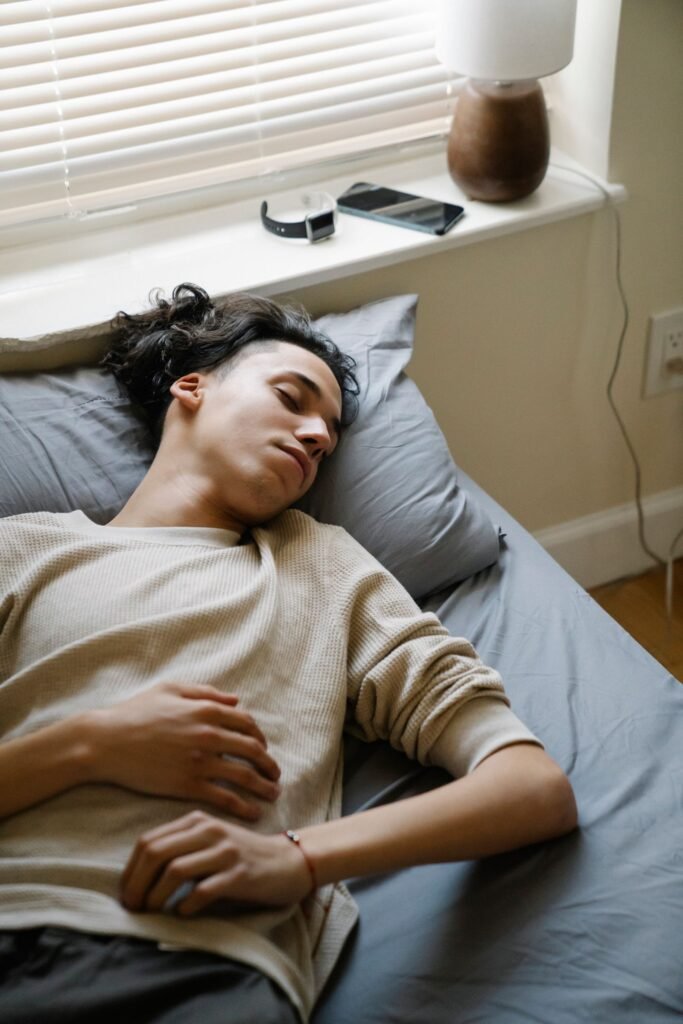
If you snore, wake up with a dry mouth, or feel wiped out after a full night in bed, you may have wondered whether the watch on your wrist can tell you why. It can sometimes point in the right direction. What it cannot do is give you a diagnosis, and that difference matters a lot when you are choosing a smartwatch for sleep apnea.
This guide explains how watch based screening works, which models have a cleared feature in the US, how accurate the numbers really are, and what to do if your watch flags something. Figures come from manufacturer announcements, the American Academy of Sleep Medicine (AASM) and published studies. Features change with software updates and by country, so confirm your exact model before you buy.
Quick answer
In the US, the two smartwatch families with an FDA authorized sleep apnea feature are the Apple Watch (iPhone users) and the Samsung Galaxy Watch (Galaxy phone users). Both are screening tools. They look for signs of moderate to severe obstructive sleep apnea, they miss many milder cases, and a flag means “talk to a doctor about a sleep study,” not “you have sleep apnea.”
Why a Watch Can Even Try to Spot Sleep Apnea
Obstructive sleep apnea (OSA) happens when the airway repeatedly narrows or closes during sleep. Each pause can bring tiny body movements, shifts in breathing rhythm and dips in blood oxygen. A watch cannot see your airway, but it can measure some of the side effects.
Apple’s approach uses the accelerometer to pick up small wrist movements linked to disturbed breathing, and it reports the result as a “Breathing Disturbances” metric. Samsung’s approach combines sensor data from the watch to estimate breathing disruptions overnight. In both cases an algorithm trained on clinical sleep study data decides whether your pattern looks like moderate to severe apnea.
That is a very different thing from an overnight lab test (polysomnography), which records brain waves, airflow, chest movement and oxygen all at once. If you want the wider picture of what a watch measures while you sleep, our guide to the best smartwatch for sleep tracking covers sleep stages and scores.
Smartwatches With Sleep Apnea Screening Compared
| Feature | Works with | How it works | Watch out for |
|---|---|---|---|
| Apple Watch sleep apnea notifications FDA clearance, Sept 2024 | iPhone | Accelerometer tracks breathing related wrist movement and alerts you to signs of moderate to severe OSA | Needs a supported model (launched on Series 9, Series 10 and Ultra 2). Not for people already diagnosed |
| Samsung Galaxy Watch sleep apnea feature FDA De Novo, Feb 2024 | Compatible Samsung Galaxy phone | Monitors two nights of sleep within a 10 day window, each longer than four hours, then reports risk | Users 22 and older who have not been diagnosed. Availability depends on your market |
| Other watches (Pixel, Garmin, Fitbit) | Android or iPhone | Blood oxygen and breathing rate trends, shown as wellness data | I did not find an FDA cleared apnea feature for these in my research, so treat the numbers as general trends |
Sources: Apple and Samsung announcements, AASM coverage of both clearances. Check each brand’s support page for the current list of supported models.
How Accurate Is Watch Based Sleep Apnea Detection?
Accuracy depends on how bad your apnea is. The published figures show a clear pattern: watches do well with severe cases and badly with moderate ones. Apple’s clinical data, as reported by secondary sources, showed the notification caught about 89% of severe cases but only about 43% of moderate ones, for an overall sensitivity near 66%. Specificity was very high at around 98.5%, which means false alarms are rare. Samsung’s pivotal study reported 82.7% sensitivity and 87.7% specificity for moderate to severe OSA.
An independent 2026 study of 152 adults tested a Galaxy Watch against in lab sleep studies. It reached an AUROC of 0.94 and a sensitivity of 94.1%, but specificity was only 66.7% at the default threshold. Translated: it caught almost everyone with moderate to severe OSA in that group, but it also flagged a fair number of people who did not meet that bar. That is acceptable for a screening tool, and a reminder why a flag should lead to a proper test.
Why Screening Matters So Much
The reason these features exist is that most sleep apnea goes unnoticed. AASM linked work estimates nearly 30 million Americans have OSA and about 80% of them are undiagnosed. A 2025 systematic review that used a broader definition put the number far higher, at roughly 83.7 million US adults, or about one in three. The totals differ by method, but every source agrees on the main point: most people with it do not know.
Best Smartwatch for Sleep Apnea Screening by Phone Type
Best for iPhone: Apple Watch
Apple’s version is the lowest effort option. Wear the watch to bed on a regular basis and the feature works in the background. If it sees a pattern consistent with moderate to severe apnea, you get a notification, along with a report you can share with your doctor. It is not a nightly alarm, and it will not show you every pause in breathing. The good news is the low false alarm rate. The bad news is that it misses many moderate cases, so a quiet watch is not proof that you are fine. Apple Watch battery life also matters here because you need to charge it earlier in the day, a point we cover in our guide to the best smartwatch for health monitoring.
Best for Samsung phones: Galaxy Watch
Samsung’s feature is more active. You enable it, and it asks for two nights of sleep of more than four hours each inside a 10 day window, then reports whether it saw signs of moderate to severe OSA. It is meant for adults 22 and older who have not been diagnosed. It depends on a paired Samsung Galaxy phone, and it only works in markets where Samsung has obtained approval, so check before you buy, especially if you travel or buy abroad.
If you use another Android phone
Pixel, Garmin and Fitbit watches can show blood oxygen and breathing trends, but in my research I did not find an FDA cleared apnea feature on them. Use those numbers as a nudge to book a doctor visit, not as a screening result.
If you do not want to wear a watch to bed
Some people find a watch uncomfortable while sleeping. An under mattress device is one alternative, and we looked at one in our Withings Sleep Analyzer review. It is a separate product with its own cost and limits, so compare it against your budget and comfort.
What to Do After Your Watch Flags Sleep Apnea
A notification is a reason to act, not a reason to panic. Doctors usually confirm suspected apnea with either a home sleep test or a lab study, and treatment can be as simple as a CPAP machine or a custom oral device for many people.
Who Should Not Rely on a Watch for This
The manufacturers and the FDA are clear that these features are not for everyone. Skip the watch and talk to a clinician directly if any of these apply to you.
Good fit for a watch
- ✓ Adults with no apnea diagnosis
- ✓ People who already wear a watch to bed
- ✓ Those with a compatible phone and model
- ✓ Anyone who wants an early nudge
See a doctor instead
- ✕ Loud snoring with choking or gasping
- ✕ Heavy daytime sleepiness or drowsy driving
- ~ Known heart, lung or movement conditions
- ✕ A quiet watch but strong symptoms
Frequently Asked Questions
Can a smartwatch diagnose sleep apnea?
No. Even the FDA authorized features are screening tools. They flag a possible risk of moderate to severe obstructive sleep apnea, and a doctor confirms it with a sleep study.
Which smartwatch is best for sleep apnea detection?
For iPhone users it is a supported Apple Watch, and for Galaxy phone users it is a compatible Galaxy Watch. Those are the two families I found with an FDA authorized feature.
Does a normal result mean I do not have sleep apnea?
No. Watches miss many mild and moderate cases, and Apple’s reported sensitivity for moderate cases was well under 50%. If you have symptoms, ask your doctor about testing anyway.
Do I need a subscription for sleep apnea alerts?
I did not find a subscription requirement for the Apple or Samsung features. You need the right watch, a paired phone and enough nights of wear. Confirm the details on the manufacturer’s page for your model.
Can a watch detect central sleep apnea?
No. The cleared features focus on obstructive sleep apnea and are not designed to detect central sleep apnea.
Final Verdict
The Bottom Line
Pick the watch that matches your phone, then check that your exact model supports the apnea feature. Apple Watch suits iPhone owners and Galaxy Watch suits Samsung phone owners. Treat any alert as a prompt to see a doctor, and do not treat a quiet watch as a clean bill of health if you still have symptoms.
This article is for general information and is not medical advice.
Featured image: Pexels.
About this article: GeekBlog covers U.S. technology news, AI, phones, smartwatches and gaming. Every story is written and checked under our Editorial Policy. Spotted a mistake or have a story tip? Contact our editors.
