

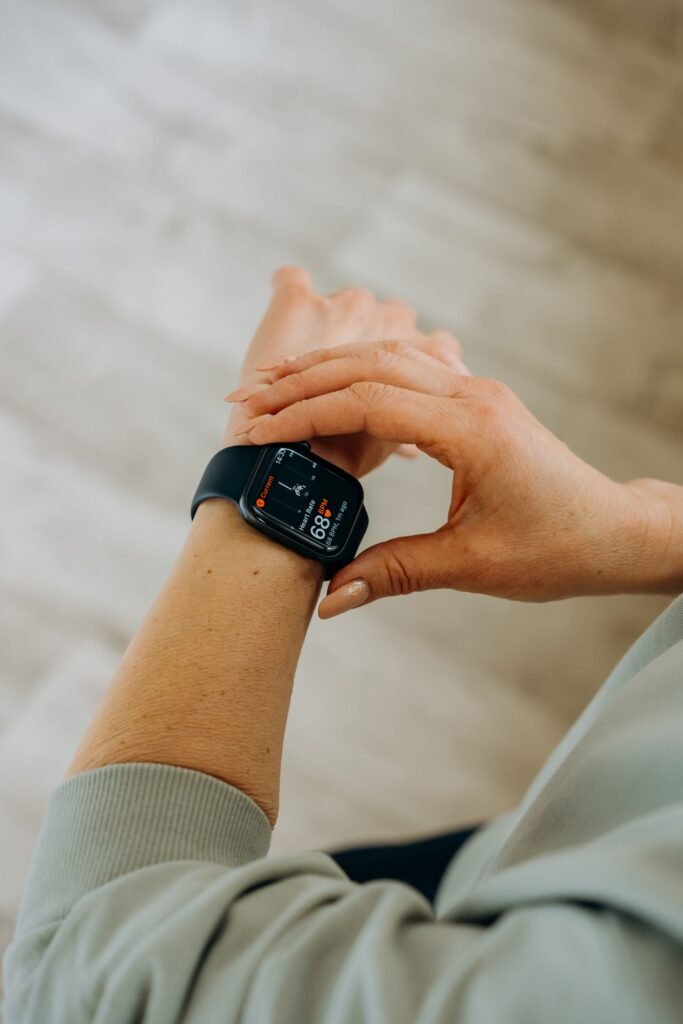
If you live with ADHD, you already know the problem is rarely knowing what to do. It is remembering to start, noticing that an hour just vanished, or catching the medication reminder before the moment passes. A smartwatch sits right on the one spot that is hard to ignore, your wrist, which is why so many people with ADHD wonder if one could help.
It can, with limits. A watch will not treat ADHD, and the research on wearables for adults is still thin. What it can do is deliver quiet haptic nudges, run timers you cannot lose under a pile of paper, and keep distracting notifications off your screen. This guide covers what the evidence actually shows, which features matter, and which watch fits which kind of person.
Quick answer
For most people, an Apple Watch is the easiest fit if you use an iPhone, thanks to Focus modes and Medications reminders. A Garmin such as the vivoactive 6 suits people who hate daily charging and want fine control over vibration. Samsung Galaxy Watch works best for Android users. If notifications overwhelm you, the best setup is any of these with almost everything turned off except the reminders you chose.
Why People With ADHD Look at Smartwatches
Adult ADHD is far more common than many people assume. The CDC reported that about 15.5 million U.S. adults, roughly 6 percent, had a current ADHD diagnosis in 2023, and about half of them were diagnosed as adults. Many report trouble with time awareness, task starting and routines, which are exactly the areas where a wrist device can offer a nudge.
What the Research Says (and Does Not Say)
This is where honesty matters, because many “best ADHD watch” pages online are written to sell products. I could not find a large controlled study showing that a standard smartwatch improves medication adherence or time management in adults with ADHD. Several widely shared numbers, such as a claim about hundreds of children gaining more than 25 minutes of attention span, trace back to a vendor blog with no named source, so I left them out.
The best evidence I found involves a wrist vibration device rather than a mainstream smartwatch. A 2024 trial in PLOS Digital Health tested the Doppel wearable on adults aged 18 to 25 with ADHD over eight weeks. Participants in both groups reported less anxiety and better focus, and the heartbeat-linked vibration did not beat the comparator. Adherence was high, with people wearing the device about seven hours a day on average.
The authors point out that the result cannot say why people improved, only that scheduled wrist vibrations were well tolerated. A small 2016 prototype called FOQUS, tested on 10 adults, also reported positive feedback but lacked efficacy measures. The honest takeaway is that wrist haptics are plausible and low risk, not proven.
Features That Matter Most for ADHD
Worth prioritizing
- ✓ Strong, customizable vibration alerts
- ✓ Focus or Do Not Disturb modes you can schedule
- ✓ Quick timers and recurring reminders
- ✓ Battery you will not forget to charge
Common traps
- ✕ Leaving every app notification switched on
- ✕ Buying a watch that dies by evening
- ~ Trusting vendor claims about “attention boosts”
- ✕ Expecting a watch to replace treatment
Notification control is the part people underestimate. A Reddit user quoted in one roundup said watch notifications pulled them completely off track, which is a fair warning: a smartwatch can add noise as easily as it removes it. The goal is a quiet watch that only speaks up for what you chose.
Best Smartwatches for ADHD Compared
| Watch | Useful ADHD tools | Best for | Watch out for |
|---|---|---|---|
| Apple Watch | Focus modes, Medications reminders, Siri timers | iPhone owners who want the smoothest setup | Charges nearly every day |
| Garmin vivoactive 6 | Adjustable vibration, Focus Modes, up to 11 days of battery | People who forget to charge | $299.99 list, fewer third-party apps |
| Samsung Galaxy Watch | Do Not Disturb with phone sync, Theater mode, reminders | Android users | Many features, so setup takes patience |
| Fitbit or Pixel Watch | Timers, alarms and Google reminders | Android users in the Google ecosystem | Check current model features first |
Features change with software updates and sales, so confirm details for your exact model before buying.
Best Smartwatch for ADHD by Situation
Best for iPhone users: Apple Watch
Focus modes mirror from your iPhone by default, so a work Focus on the phone quiets the watch too. You can switch off “Mirror my iPhone” in the Watch app if you want different rules on each device. For medications, Apple’s support page explains that dose reminders are set up on the iPhone, then appear on your watch with options for Taken, Skipped or Remind Me in 10 Minutes. Optional follow-up reminders fire 30 minutes later if you have not logged a dose. One MacRumors user reported scheduled doses not appearing on the watch, so test it before you rely on it.
Best for forgetting to charge: Garmin
A dead watch is a useless reminder system, and daily charging is easy to forget. Garmin’s multi-day battery avoids that, and the vivoactive 6 manual shows vibration can be set for alerts only, and customized per situation using Focus Modes. Our Garmin vivoactive 6 review covers the screen, sensors and sale prices in detail.
Best for Android: Samsung Galaxy Watch
Samsung’s silent modes let you mute everything except the people and apps you allow, and you can sync Do Not Disturb with your phone. Two days of typical battery life is a comfortable middle ground.
If you are not sure a smartwatch is right
Some people find any watch too tempting. A simple vibrating reminder band, which only buzzes at set times, may suit them better. The trade-off is that you lose health tracking and apps.
How to Set Up a Watch So It Actually Helps
- Silence first. Turn off every notification, then add back only what you truly need.
- Anchor reminders to routines. Link a buzz to things you already do, like brushing your teeth or leaving for work.
- Use short timers. A 25 minute timer is easier to start than “work on this today.”
- Keep it charging near your keys. Put the charger where you drop your things each night.
- Review after two weeks. Remove any reminder you now ignore, because ignored buzzes train you to tune them all out.
If anxiety is part of your picture, our guide to a smartwatch for anxiety and stress tracking explains what heart rate and stress features can and cannot tell you.
Frequently Asked Questions
Can a smartwatch help with ADHD?
It can help with reminders, timers and routines, but it does not treat ADHD. The research on mainstream smartwatches in adults is limited, so think of a watch as a tool alongside whatever your clinician recommends.
Which smartwatch is best for ADHD medication reminders?
The Apple Watch has a built-in Medications feature with Taken, Skipped and Remind Me options, set up through the iPhone. Android users can use their phone’s reminder apps mirrored to a Galaxy Watch or Pixel Watch.
Should kids with ADHD wear a smartwatch?
Some families use kid-focused watches for schedules and reminders, but the best-known guides come from vendors. Talk to your child’s clinician and check independent reviews first.
Do I need a subscription?
Not for basic reminders and timers. If you want to avoid monthly fees altogether, see our list of the best smartwatch with no subscription.
Final Verdict
The Bottom Line
The best smartwatch for ADHD is the one you will wear, charge and keep quiet. Apple Watch suits iPhone users, Garmin suits people who forget to charge, and Samsung suits Android users. Treat it as a reminder tool, not a treatment, and talk with a clinician about anything medical.
This article is for general information and is not medical advice.
Featured image: Pexels.
About this article: GeekBlog covers U.S. technology news, AI, phones, smartwatches and gaming. Every story is written and checked under our Editorial Policy. Spotted a mistake or have a story tip? Contact our editors.
