

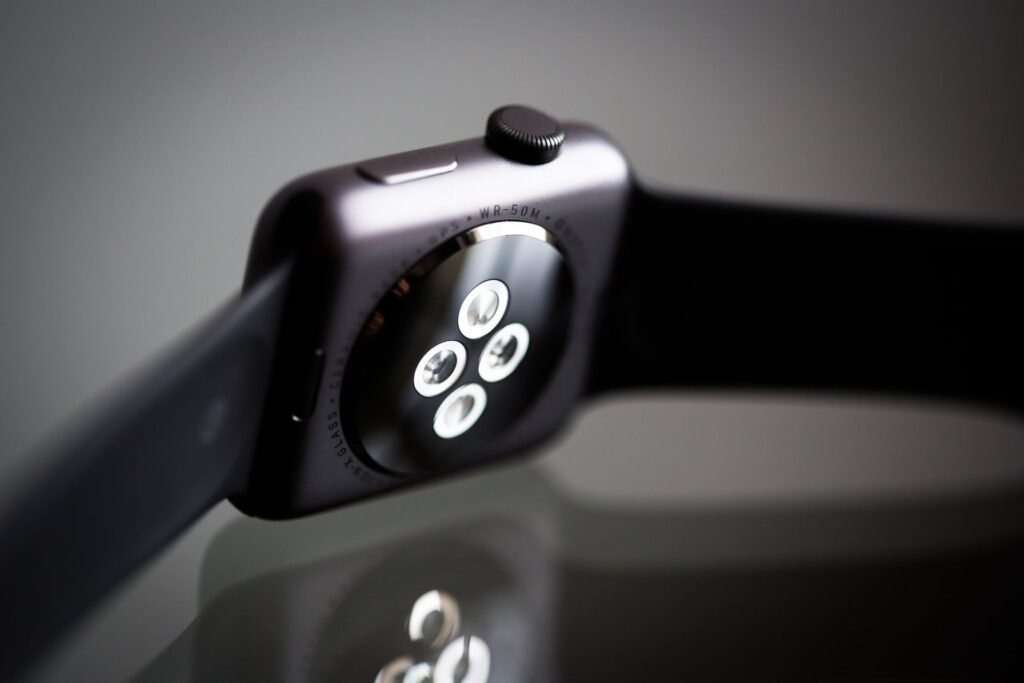
The Garmin Vivoactive 6 has been out for a while now, which is exactly why it is worth reviewing today. The launch hype is gone, the software has settled, and the price has dropped enough that the real question is no longer “is it new?” but “should I actually buy it?”
This review pulls together what testers at Tom’s Guide, Wareable, Digital Trends, Android Authority, OutdoorGearLab and others found after weeks of wear, then lays out the numbers in plain terms. If you want a quick answer, it is right below.
Quick verdict
The Garmin Vivoactive 6 is one of the best everyday fitness smartwatches under $300. You get a bright AMOLED screen, a light 42mm case, accurate heart rate tracking, offline music and Garmin Pay. It skips ECG, multi-band GPS and LTE, and the always-on display cuts battery life to around 4 or 5 days. At the $229.99 to $249.99 sale prices seen this fall, it is an easy recommendation for most people. At full price it is still good, just less of a bargain.
Garmin Vivoactive 6 Specs at a Glance
| Spec | Garmin Vivoactive 6 |
|---|---|
| List price | $299.99 (sales as low as $229.99) |
| Display | 1.2 inch AMOLED touchscreen, 390 x 390 pixels |
| Case size | One size, 42mm, about 36 grams |
| Battery (rated) | Up to 11 days smartwatch mode, about 5 days with always-on display, up to 21 hours of GPS |
| Water resistance | 5 ATM (50 meters) |
| Storage | 8GB, enough for offline Spotify and other music |
| Sensors | Optical heart rate, SpO2, skin temperature, accelerometer, gyroscope, compass, ambient light |
| Payments | Garmin Pay |
| Not included | ECG, multi-band GPS, LTE, offline maps |
Specs from Garmin’s published listing and retailer pages. Sale prices were reported by Android Authority, TechRadar and Technobezz in September 2026 and change often.
Design and Display: Light, Bright and Easy to Forget You Are Wearing
The first thing reviewers mention is how little the watch weighs. At about 36 grams in a single 42mm case, it sits comfortably on smaller wrists and does not get in the way during sleep tracking. Live Science called it “light, sleek and beginner-friendly,” and that matches what most testers reported.
The 1.2 inch AMOLED screen is the other big draw. Colors are rich, text is sharp, and it is easy to read outdoors. Garmin also tidied up the interface compared with older Vivoactive models, so menus feel less buried. The catch is the always-on display, which looks great but costs you days of battery (more on that below).
Battery Life: Great With Raise-to-Wake, Average With Always-On
Garmin rates the Vivoactive 6 for up to 11 days in smartwatch mode and about 5 days with the screen always on. Independent testing lands close to those numbers, with the always-on display being the swing factor. One reviewer saw a little under four days with the always-on display and demanding use. Another got around 11 days using raise-to-wake. A third reported roughly a week with sleep tracking, daily workouts and some music.
On GPS, expect up to 21 hours of continuous tracking by Garmin’s rating, and one tester got roughly 8.5 hours of GPS training across a week of normal use before needing a charge. That is plenty for runs, rides and hikes of any normal length. If battery is your top priority, our guide to smartwatches with the longest battery life shows what you can get if you are willing to pay more or give up the AMOLED screen.
GPS and Heart Rate Accuracy
This is where the Vivoactive 6 earns its price. Reviewers say GPS locks on in a few seconds, even faster than some of Garmin’s more expensive watches, and tracks are reliable on open roads and trails. Under dense tree cover, a couple of testers saw pace spikes and small jumps in the track, which is the usual limit of single-band GPS. If you run mostly in the open, you will not notice.
Heart rate is solid too. In one comparison against a reference armband, the median gap was only about 1 BPM once the sensor warmed up. It was a little slower to react during short weight lifting sets and sometimes struggled to lock on during rest breaks in runs, which is common for wrist sensors. For steady cardio and all-day tracking, it does the job well.
What You Do Not Get
Garmin kept the price down by using an older heart rate sensor and skipping a few premium features. These are the cuts that matter.
What it does well
- ✓ Bright, sharp AMOLED display
- ✓ Light 36 gram case, great for small wrists
- ✓ Accurate heart rate and fast GPS lock
- ✓ 8GB for offline music, plus Garmin Pay
- ✓ Works with iPhone and Android
Where it falls short
- ✕ No ECG (older Elevate sensor)
- ✕ No multi-band GPS
- ✕ No LTE or standalone calling
- ~ Always-on display costs about half the battery
- ~ Some extras need a Connect+ subscription
Vivoactive 6 vs Vivoactive 5: Should You Upgrade?
If you already own a Vivoactive 5, the upgrade is modest. Garmin promises the same rated battery life on both, and the screen and general design are close. The differences are in the sensors and software.
| Feature | Vivoactive 5 | Vivoactive 6 |
|---|---|---|
| Storage | 4GB | 8GB |
| Gyroscope and compass | No | Yes |
| Smart Wake alarm | No | Yes, up to 30 minutes early |
| Animated workouts | No | Yes |
| Rated battery | Same | Same |
Our take: if you are on a Vivoactive 5 and happy, stay put. If you are buying new and the price gap is small, the Vivoactive 6 is the better pick. It is not the only Garmin worth a look, though, and our best Garmin smartwatch guide shows where the Venu 4 and Forerunner line fit above it.
Safety, Payments and Smart Features
The Vivoactive 6 includes incident detection for certain outdoor activities. If it senses a possible accident and your phone is connected, it can send your name and GPS location to your emergency contacts after a 15 second countdown. Garmin is clear that this is a supplemental feature and not a replacement for calling for help. Garmin Pay works at supported terminals, and music from services like Spotify can be stored on the watch. It will not make calls on its own, since there is no LTE.
The Hidden Cost: Garmin Connect+
The watch itself works fully without a subscription, which is a real advantage over some rivals. Garmin does sell an optional plan called Connect+ at $6.99 a month or $69.99 a year, with a free 30 day trial. It adds extras such as more coaching and advanced LiveTrack, and some features like PacePro and nutrition tracking require it. If you want a no-strings watch, see our guide to the best smartwatch with no subscription.
Who Should Buy the Vivoactive 6?
Frequently Asked Questions
Is the Garmin Vivoactive 6 worth it in 2026?
Yes, for most people. It offers accurate tracking, a great screen and strong software for under $300, and it often sells for $230 to $250. It is less compelling if you need ECG or multi-band GPS.
How long does the Vivoactive 6 battery last?
Garmin rates it at up to 11 days in smartwatch mode and about 5 days with the always-on display. Reviewers saw roughly 4 to 7 days in mixed use, depending on the display setting and how much GPS they used.
Does the Vivoactive 6 have ECG?
No. It uses an older generation heart rate sensor and does not include an ECG app. For ECG on a Garmin, you need a model such as the Venu 4.
Does the Vivoactive 6 work with iPhone and Android?
Yes. It pairs with both through the Garmin Connect app.
Is a subscription required?
No. Core features work without Garmin Connect+, though a few extras like PacePro and nutrition tracking need the paid plan.
Final Verdict
The Bottom Line
The Garmin Vivoactive 6 is the safe, smart buy in Garmin’s lineup. It does the basics very well, looks good, weighs almost nothing and avoids mandatory fees. Wait for a sale if you can, turn off the always-on display if battery matters, and only look higher up the range if you specifically need ECG, dual-band GPS or LTE.
Featured image: Pexels.
About this article: GeekBlog covers U.S. technology news, AI, phones, smartwatches and gaming. Every story is written and checked under our Editorial Policy. Spotted a mistake or have a story tip? Contact our editors.
