

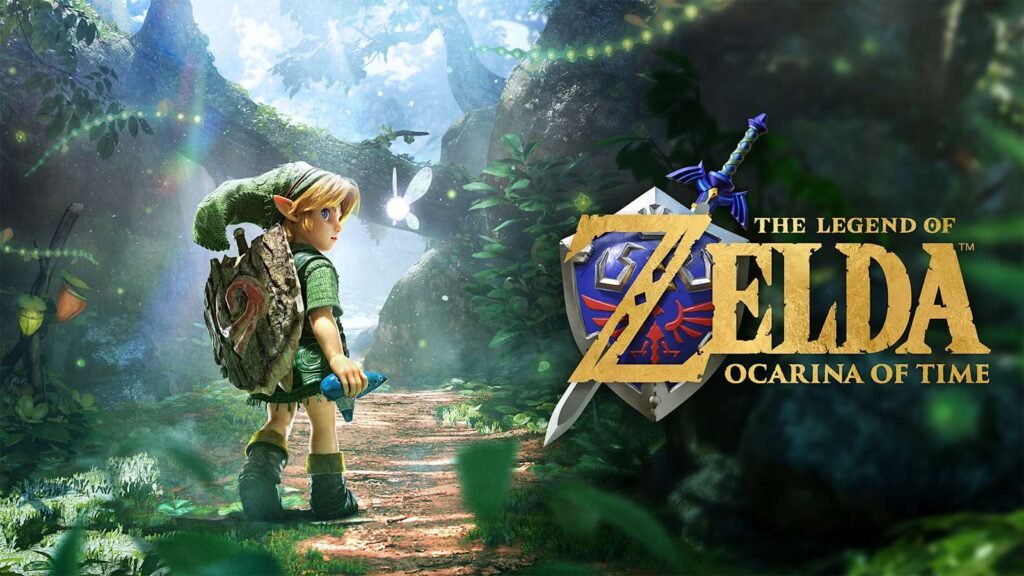
Featured image: official The Legend of Zelda: Ocarina of Time art for Nintendo Switch 2 by Nintendo via the Nintendo Store
Nintendo published its second-quarter earnings on November 5, and the headline is not a pretty one: Switch 2 hardware sales fell about 37% in the first half of the fiscal year compared with the same stretch last year. The company also kept its full-year forecast at 16.5 million consoles, which is 16.9% below what it shipped in the Switch 2’s launch year.
Before anyone declares the console a flop, though, there is a lot more going on. The Switch 2 has now passed 26 million units, software is selling faster than ever, and Nintendo’s shares actually rose after the report. Here is what the numbers say, what is driving the slowdown, and what the next few months look like.
The short version
- Lifetime sales: 26.35 million Switch 2 consoles and 73.21 million games as of September 30, 2026
- Last quarter: 2.67 million consoles shipped between July and September, down from 3.82 million in the quarter before
- First half: Switch 2 hardware down roughly 37%, Switch 2 software up 18.8%
- Forecast: 16.5 million consoles for the year to March 2027, unchanged, versus 19.86 million last year
- Biggest cost pressure: about 100 billion yen from rising component prices and tariffs
The numbers behind the headline
Nintendo’s own sales page now lists 26.35 million Switch 2 units worldwide, alongside 73.21 million games. Add up the two quarters of this fiscal year and you get roughly 6.49 million consoles, a clear step down from the first half of last year, when the console launched and shipped in huge bursts. Shacknews and Kotaku both stress the comparison point here: this is a console in its second year being measured against its own launch window, which is almost always the hardest act to follow.
Switch 2 shipments, year one versus year two
Millions of consoles. The year two bar is Nintendo’s own forecast for the fiscal year ending March 2027. Source: Nintendo financial results.
| Metric | Result |
|---|---|
| Switch 2 lifetime hardware | 26.35 million |
| Switch 2 lifetime software | 73.21 million |
| Switch 2 hardware, first half | About 6.49 million, down roughly 37% |
| Switch 2 software, first half | Up 18.8% |
| Original Switch lifetime hardware | 157.20 million |
| Full-year Switch 2 forecast | 16.5 million, down 16.9%, unchanged |
| Shares after the report | Up about 6.3% at the time of Kotaku’s report |
Why sales slowed
Three things are pulling in the same direction.
The launch bump is over. Every console sells fastest to the people who were waiting in line for it. Once that group is served, the curve flattens. That alone explains a big part of the year over year drop.
Prices went up. Nintendo’s own results deck lists price revisions as one reason for the lower forecast, and reports put the US price at $499.99 after this year’s increase. I could not find a clean official breakdown of how much of the drop comes from the price change, so treat any exact figure with caution. What is clear is that the company is paying more for parts: it says the forecast already includes an impact of roughly 100 billion yen from higher component prices, memory in particular, and from tariffs. The same memory squeeze is hitting rivals too, as we saw in the report that PS6 memory alone could cost over $680.
A soft yen. Nintendo’s report says the continued weakness of the yen contributed to a 15.3% drop in sales for its dedicated game platform business. Bloomberg called the 15% overall sales decline bigger than expected, and Morningstar’s analyst went as far as saying investors “have cooled on the Switch 2 platform.”
Software is where the good news is
If hardware is the soft spot, software is the bright one. Switch 2 game sales rose 18.8% in the first half, and the older Switch’s software was up 6.8%. Nintendo’s income from intellectual property, such as movies and merchandise, jumped 87.9%. Gross profit rose 22.1%, helped by strong game sales and by refunds of US tariffs that had previously been booked as a cost.
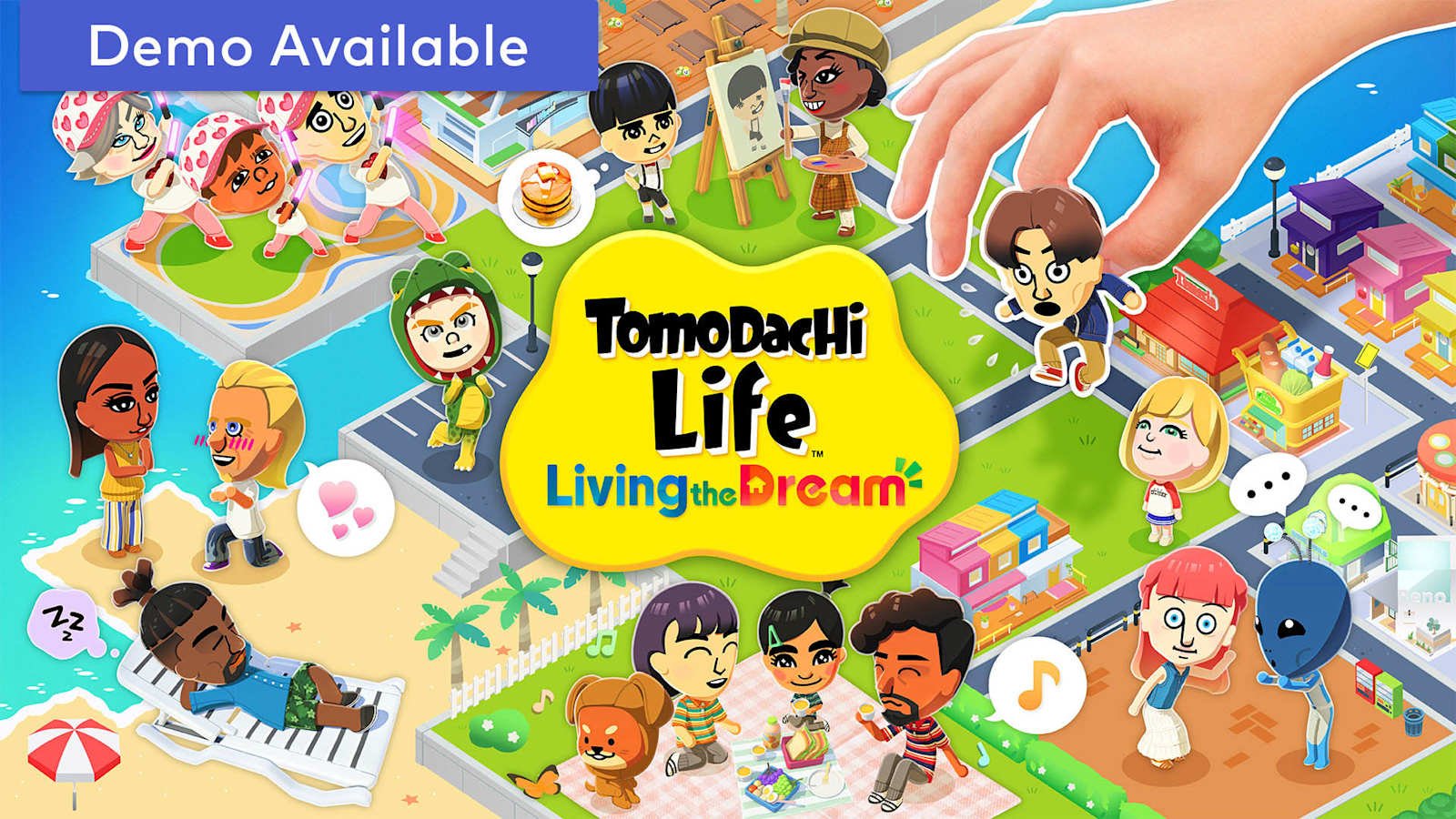
Kotaku points to two surprise performers. Tomodachi Life: Living the Dream shipped 8.81 million units over the six months, and Rhythm Heaven Groove reached 2.89 million. According to GoNintendo’s rundown of the results, Mario Kart World sits at 16.48 million lifetime units including bundles, and Pokémon Legends: Z-A Switch 2 Edition added 4.04 million.
Nintendo software growth, first half of the fiscal year
Year over year change in units sold. Source: Nintendo results as reported by Kotaku.
The profit picture is mixed
Bloomberg reports that operating profit in the second quarter fell 16% to 73.9 billion yen on a 15% drop in sales, though Nintendo said it had expected that. Over the full half, operating profit is up 49.1% to 216.5 billion yen, but that figure leans heavily on the tariff refund recorded earlier in the year, so it flatters the underlying trend. Nintendo is still guiding to modest profit growth for the full year, and investors seemed relieved that the forecast did not get worse.
What comes next
The quarter ended before The Legend of Zelda: Ocarina of Time arrived on Switch 2 on November 5, so none of its sales are in these numbers. Retail listings put the digital version at $59.99 and the physical edition at $69.99, with some stores already discounting pre-orders. A Zelda remake landing right before the holidays is exactly the kind of release that moves hardware.
The other big variable sits outside Nintendo’s control. Grand Theft Auto VI is not coming to any Switch platform, and analysts expect that to take a bite out of Nintendo’s holiday profits as players spend their money elsewhere. If you want to see how the rival camps are doing, our look at Xbox’s latest revenue figures shows a similar story of falling hardware and steadier software. Meanwhile, Sony’s PS5 trade-in offer shows how aggressively console makers are chasing holiday buyers at higher prices.
What to watch
- Holiday quarter hardware: The October to December numbers, reported in early 2027, will show whether Zelda and holiday deals can lift the console.
- The forecast: Nintendo left 16.5 million untouched. Hitting it means shipping roughly 10 million more consoles in the second half.
- Memory and tariff costs: A further squeeze could force another price conversation, though reports say Nintendo is not planning one for now.
- GTA 6 fallout: The November launch on other platforms will test how much attention Nintendo loses in the biggest game month of the year.
My take
A 37% hardware drop sounds alarming until you remember it is measured against a launch window. A console with 26 million units after roughly a year and a half is still on a healthy path, and the fact that people keep buying games at a faster rate than before is what Nintendo’s business model really depends on. The risk is the one the company itself is flagging: costs are going up while the yen is weak, and a higher price tag makes every future hardware sale harder. The holiday quarter will say more than this report did.
Sources: PC Gamer, Nintendo IR sales data, Shacknews, Kotaku, Bloomberg, GoNintendo.
About this article: GeekBlog covers U.S. technology news, AI, phones, smartwatches and gaming. Every story is written and checked under our Editorial Policy. Spotted a mistake or have a story tip? Contact our editors.
