

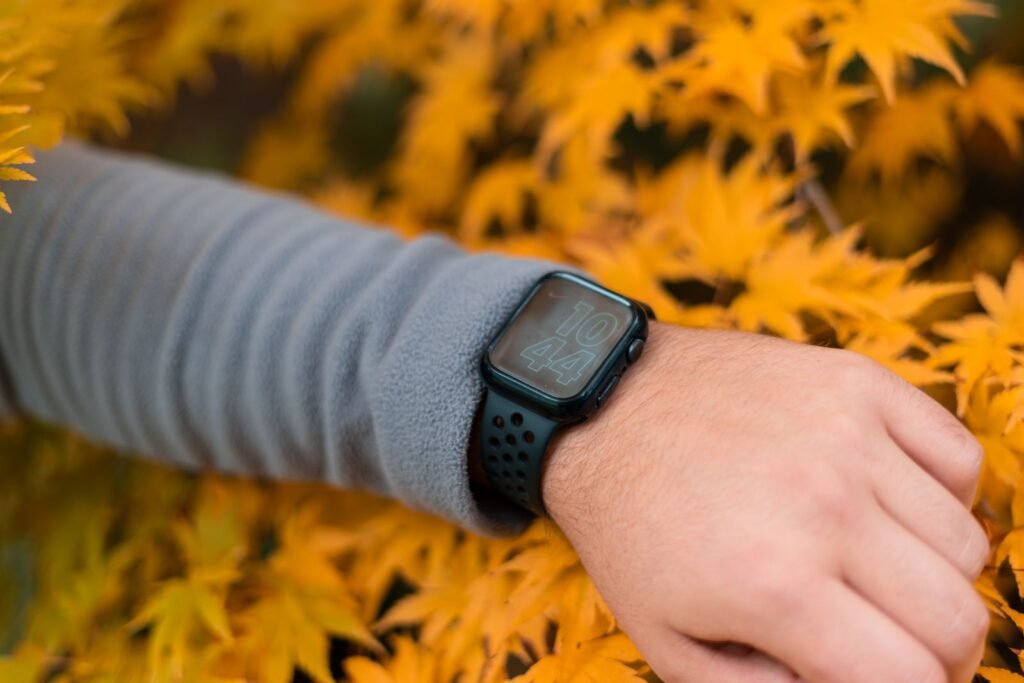
Every summer since 2018, Samsung has followed the same script. A Galaxy Unpacked show, a new Galaxy Watch, a slightly better chip, a slightly brighter screen and a fresh round of “should I upgrade?” debates. According to a new report out of South Korea, that streak is about to end.
ETNews reported on November 23 that Samsung has decided not to release a new Galaxy Watch in 2027 and will move the lineup to a two-year launch cycle. If that holds, the Galaxy Watch 9 and Galaxy Watch Ultra 2 that launched this July would stay Samsung’s newest smartwatches until 2028. Samsung has not confirmed anything, and a fresh model number spotted in a device database a day later muddies the picture a little. But the reasons behind the report are very real, and they say a lot about where the smartwatch market is heading.
Quick take
ETNews says Samsung will skip a 2027 Galaxy Watch and launch new watches every two years instead, ending a nine-year annual streak. The reported reasons: two straight quarterly losses in Samsung’s mobile business, rising chip and memory costs, and Galaxy Watch 9 sales that reportedly missed targets after a price hike. In place of new hardware, 2027 would bring software and health feature updates for existing watches, plus a possible cheaper Galaxy Fit band. Samsung has not commented. If you were planning to buy a Galaxy Watch 9, this report makes it a safer long-term buy, not a worse one.
What the ETNews Report Actually Says
The claim comes from industry sources speaking to ETNews, one of South Korea’s main tech and business papers, which has a decent track record on Samsung’s internal plans. The core points are simple:
- No new Galaxy Watch in 2027. Samsung has reportedly decided against a 2027 Galaxy Watch series, which would be the first year without a new model since the original Galaxy Watch in 2018.
- A two-year cycle from now on. The next generation would arrive in 2028, and launches would follow every other year after that.
- Software fills the gap. Samsung plans to focus 2027 on software updates and new health features for watches people already own.
- A cheaper band could still appear. A new, more affordable Galaxy Fit tracker could launch to keep Samsung’s wearables lineup from going quiet.
One outlet relaying the story suggested a Galaxy Watch Ultra 3 could still show up in 2027, but most coverage of the report reads it as no new watch at all next year. Treat that detail as unresolved for now.
The cheaper band part lines up with something we have already seen. Earlier this month the Galaxy Fit 4 showed up inside Samsung’s own app, complete with a wallet menu and a speaker. A low-cost band that keeps people inside the Samsung Health ecosystem is a logical way to stay visible during a year with no flagship watch.
Why Samsung Would Hit Pause Now
This is not a sudden philosophical change about the value of yearly upgrades. Based on the reporting, it is mostly about money, and the numbers back that up.
Samsung’s phone and wearables business is losing money
Samsung as a whole is having a great year. Its memory chip division is printing money, and the company posted a record consolidated operating profit of about KRW 107.4 trillion in the third quarter. The problem is that the same memory boom is hurting the devices side. Samsung’s Mobile Experience (MX) and Networks businesses recorded an operating loss of roughly KRW 600 billion (about $450 million) in Q3 2026, after a KRW 700 billion loss in Q2 that was the unit’s first quarterly loss ever. A year earlier, the same division made a KRW 3.6 trillion profit in Q3.
Samsung’s own executives pinned the losses on rising memory prices and warned that high prices would continue into the fourth quarter. When RAM and storage cost more, every device that uses them gets more expensive to build, and smartwatches are no exception.
The Galaxy Watch 9 reportedly undersold
The second reason is closer to home. ETNews says the Galaxy Watch 9 fell short of sales expectations after Samsung raised its price. The Watch 9 starts at $379.99 in the US, up from the Watch 8’s $349.99 launch price, and pre-launch leaks pointed to similar increases in Europe tied directly to the memory shortage. Samsung was already discounting the 40mm model to $299 by mid-September, less than two months after launch.
The broader market numbers are not kind either. Counterpoint Research says Samsung’s smartwatch shipments fell 28% year over year in Q1 2026, dropping its global share to about 5%, while Apple led with 23% and Huawei followed with 17%. In Q2, Huawei took the top spot with a record 22% share. Counterpoint expects the whole market to grow only about 1% this year, mostly because people are simply keeping their watches longer.
Put those pieces together and the logic is easy to follow. Each new watch generation means chip work, new sensors, tooling, certification and a global marketing push. If the market is not growing, people are holding onto watches longer and every component costs more, stretching each generation over two years saves a lot of money.
The watch is not the only product getting this treatment. ETNews and others report Samsung is also trimming Galaxy A phone production by around 20% and shifting about 70% of Galaxy S27 output to the higher-margin Pro and Ultra models.
What About the Mystery Watch in the Database?
A day after the ETNews story, a new Samsung smartwatch model number, SM-L616, turned up in the GSMA IMEI database and in trade records. That sounds like it contradicts the report, but it does not necessarily.
The L6xx prefix does not match any of Samsung’s current watch families. The Galaxy Watch 9 uses SM-L345 and the Watch Ultra 2 uses SM-L716, for example. Commentators have floated everything from a Classic-style model to a new tier between the regular watch and the Ultra, possibly with 5G. None of that is confirmed. More importantly, a database listing only proves a design exists. Samsung devices usually appear in the IMEI database six to seven months before launch, which would point to mid-2027, but companies test and cancel hardware all the time. A model number is a clue, not a launch date.
How to read this
There are two plausible stories. Either SM-L616 is a device Samsung started before the decision and may never ship, or it is a single niche model that keeps something on shelves in 2027 while the main Galaxy Watch line takes a year off. Both are compatible with a two-year cycle for the core lineup. Until Samsung speaks, the safest assumption is that the next mainstream Galaxy Watch arrives in 2028.
How Other Watchmakers Handle Release Cycles
Samsung would not be the first company to slow down. Apple, the market leader, went two years between the Watch Ultra 2 (2023) and the Ultra 3 (2025), with only a new black finish in between. Garmin has never followed a strict yearly schedule and often lets popular models run for two or three years. Here is how the big names compare.
| Brand | Typical cadence | Recent example |
|---|---|---|
| Apple | Yearly for Series, slower for Ultra | Ultra 2 (2023) to Ultra 3 (2025), color refresh only in 2024 |
| Yearly Pixel Watch | New Pixel Watch every fall since 2022 | |
| Garmin | Irregular, often 2 to 3 years per line | Fenix 7 (2022) to Fenix 8 (2024) |
| Huawei | Frequent, multiple lines per year | 6.9mm Watch Air launched in China this month |
| Samsung (reported) | Every two years from 2026 | Watch 9 and Ultra 2 (2026), next generation in 2028 |
The risk for Samsung is the timing. Huawei is shipping new watches at a frantic pace and just took the global lead. Google refreshes the Pixel Watch every year on the same Wear OS platform Samsung uses. A year without a new Galaxy Watch gives both of them an open window, especially in the Android market, where Samsung has long been the default choice.
Is This Actually Bad News for Galaxy Watch Owners?
Honestly, probably not. Yearly smartwatch upgrades have been getting smaller for a while. Android Authority’s Galaxy Watch 9 review called it faster and better than the Watch 8, but still frustratingly familiar. Very few people replace a watch every year anyway, and the market data says people are keeping them even longer now.
A two-year cycle could have real upsides:
- Bigger jumps between generations. Two years of development gives Samsung room for meaningful changes, like new sensors or a real battery leap, rather than spec-sheet bumps.
- Your watch stays current longer. If you buy a Galaxy Watch 9 today, it remains Samsung’s flagship for about two years instead of one, which helps resale value too.
- More focus on software. Samsung has already shown it can bring big updates to older hardware. Watch 8 owners just got the Watch 9’s newest features through the One UI 9 Watch rollout, and a hardware-free 2027 would put even more weight on that kind of update.
The real question, as several analysts have pointed out, is whether cost-cutting stops at hardware. Fewer launches are easy to accept if software support stays strong. If the savings also mean slower updates or fewer new health features, owners will notice quickly.
Should you buy a Galaxy Watch 9 now?
If you need a new Android smartwatch, this report makes the Galaxy Watch 9 a better buy, not a worse one. There is no newer model coming next summer to make it look old. Black Friday pricing is the best time to grab one. If you want the longest-lasting hardware, the Galaxy Watch Ultra 2 runs on Qualcomm’s newest wearable chip, which we broke down in our Snapdragon Wear Elite explainer, so it should age especially well over a two-year cycle.
What to Watch for Next
Samsung rarely comments on reports like this, so confirmation may only come indirectly. A few signals will tell us a lot over the next few months:
- The Galaxy Fit 4 launch. If Samsung pushes a new band hard in early 2027, that fits the “fill the gap” plan.
- Summer 2027 Unpacked. Samsung usually pairs foldables and watches in July. A show with foldables and no watch would be the clearest sign.
- The One UI Watch roadmap. Big health features promised for existing watches would show where the 2027 effort is going.
- More SM-L616 sightings. Certifications with real details, like battery size or connectivity, would show whether that model is actually going to ship.
The Bottom Line
If ETNews is right, Samsung is ending one of the most reliable traditions in wearables. It is a business decision first: memory costs are up, the mobile division is in the red, and the Galaxy Watch 9 did not sell the way Samsung hoped after its price went up. But for actual owners, a two-year cycle is not a disaster. It could mean bigger upgrades, longer relevance for the watch on your wrist and a stronger focus on software. Just keep the Samsung caveat in mind. Until the company says so, this is a credible report, not a confirmed plan.
About this article: GeekBlog covers U.S. technology news, AI, phones, smartwatches and gaming. Every story is written and checked under our Editorial Policy. Spotted a mistake or have a story tip? Contact our editors.
