

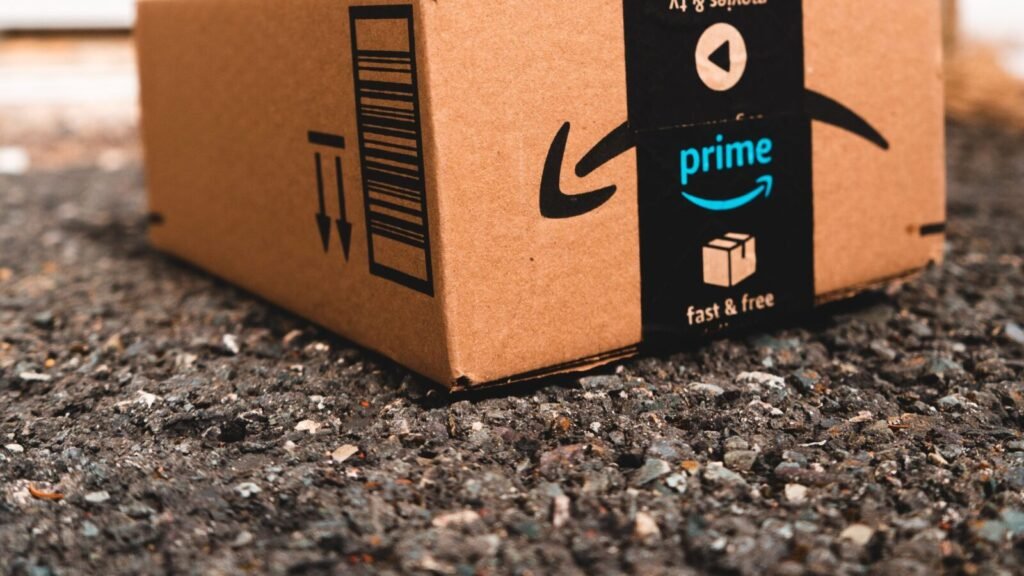
If you bought a cheap carbon monoxide detector, a hair dryer or kids’ pajamas on Amazon a few years ago, it might be worth digging through your order history this weekend. A federal judge just ruled that Amazon has to treat more than 400,000 hazardous products sold through its warehouses the same way a store would treat a recall, and that includes paying buyers back in full.
On November 24, the U.S. District Court for the District of Maryland threw out Amazon’s lawsuit against the Consumer Product Safety Commission. As UNILAD Tech reports, the decision ends a fight that started more than five years ago, and it could change how every big online marketplace handles dangerous goods.
The short version
- Judge Lydia Kay Griggsby granted summary judgment to the CPSC on November 24, 2026.
- The order covers 400,000+ products, including carbon monoxide detectors that don’t alarm and hair dryers with no shock protection.
- Amazon must email original buyers, post recall notices on Amazon.com and show them on each buyer’s “Your Orders” page.
- Buyers get a full refund after showing proof they destroyed or disposed of the item.
- Amazon says it is “reviewing our options,” which could mean an appeal.
What the judge actually decided
The whole case came down to one question. When a third party sells something through Fulfillment by Amazon, is Amazon just the warehouse, or is it part of the supply chain?
Amazon argued it was only a storage and shipping provider. That matters because the Consumer Product Safety Act exempts pure logistics companies from recall duties. In Amazon’s telling, it never owned, made or held title to any of these products, so it shouldn’t be on the hook.
The CPSC saw it very differently. The agency pointed out that FBA goes far beyond moving boxes. Amazon controls how buyers and sellers talk to each other, processes the payments, enforces pricing rules and handles the returns. In other words, it behaves like a distributor. Judge Griggsby agreed, and because the case was decided on summary judgment, there was no trial.
Who does what in Fulfillment by Amazon
The CPSC’s case rested on how much of the sale Amazon controls.
AMAZON
Stores the product
AMAZON
Packs and ships it
AMAZON
Takes your payment
AMAZON
Runs buyer and seller messaging
AMAZON
Handles returns
SELLER
Makes or sources the product
CPSC Acting Chairman Peter A. Feldman called it “an important victory for American consumers,” adding that “American families deserve the same consumer safety protections under federal law whether they shop online or in a brick-and-mortar store.”
What’s actually in the recall
These aren’t minor defects. The CPSC’s original 2021 complaint named three product groups, and each one can hurt someone.
The recalled product groups
Unit counts from the CPSC’s 2021 complaint.
The CPSC did not publish a single unit count for the sleepwear. The total order covers more than 400,000 products.
The hair dryers are the biggest group by far. Without an immersion protection device, a dryer that falls into a sink or tub can electrocute the person holding it. The carbon monoxide detectors are scarier in a quieter way, because a detector that never sounds gives you false confidence about a gas you can’t see or smell. And kids’ sleepwear has to meet federal flammability standards for a reason, since loose fabric that catches fire quickly can cause severe burns.
How we got here
Five years of Amazon vs. the CPSC
2021 TO 2022
Amazon warns some buyers, pulls listings and issues refunds, often as store credit.
JULY 2021
The CPSC votes 3 to 1 to file a complaint against Amazon.
JULY 2024
The Commission rules Amazon is a “distributor” under federal safety law.
JANUARY 2025
A final order spells out notices, emails and full refunds.
MARCH 2025
Amazon sues the CPSC in federal court in Maryland.
NOVEMBER 24, 2026
The court sides with the CPSC and dismisses Amazon’s challenge.
Amazon didn’t really argue that the products were safe. Instead, it said the order was pointless because it had already warned people, refunded them, blocked the listings and destroyed the stock it still had in its warehouses. It also went after the CPSC itself, arguing that commissioners who can’t be easily fired by the president shouldn’t get to act as “judge, jury, and prosecutor.”
The agency’s reply was pointed. It said Amazon’s earlier warnings talked about “potential” safety issues without ever using the word “recall,” which made them easy to ignore. And it said handing out store credit isn’t the same as giving people their money back.
What Amazon has to do now
| Requirement | What it means for you |
|---|---|
| Email original purchasers | You should get a direct notice if you bought an affected item |
| Post recall releases on Amazon.com | Public notices, not vague “safety alerts” |
| Flag it on “Your Orders” | The warning shows up next to the original purchase |
| Full refund of purchase price | Cash back, not just store credit, once you prove disposal |
| Keep records for 5 years | Notices stay on the Recalls page and monthly reports go to the CPSC |
How to check if you’re owed money
You don’t need to wait for an email that may land in spam. Here’s a quick routine that takes about ten minutes.
Your 4 step refund check
- Search your orders for “carbon monoxide,” “hair dryer” and “pajamas” or “sleepwear,” going back to 2019.
- Open Amazon’s “Recalls and Product Safety Alerts” page in your account and look for any flagged purchases.
- Cross check on CPSC.gov by searching the brand name shown on the product or order.
- Don’t toss it yet. The refund requires proof of destruction, so follow the instructions in the notice, which usually means a photo of the item cut or broken.
If you find a detector on the list that’s still on your wall, replace it today, not when the refund comes through. A working carbon monoxide alarm costs around $20 to $40 from a known brand.
This isn’t the only Amazon refund worth chasing right now. If you returned something and never got your money, there’s also the $309.5 million returns settlement with a December 1 claim deadline.
Why this matters beyond Amazon
About 60% of the items sold in Amazon’s store come from third party sellers, and a huge share of those ship through FBA. Temu, Shein, Walmart Marketplace and TikTok Shop all run some version of the same model. If a warehouse that also controls payments, returns and messaging counts as a distributor, all of them have reason to rethink how they handle recalls.
Will Amazon appeal?
Possibly. Spokesperson Sammy Brill told The Verge the company is “reviewing our options following the ruling,” while pointing to what it calls an “industry-leading recalls process.” An appeal would go to the Fourth Circuit. Until a higher court says otherwise, the CPSC’s order stands.
Amazon has been on the defensive on a few fronts lately, from refund lawsuits to its fight with New York City over delivery rules. This one is different, though. It isn’t about fees or convenience. It’s about whether the detector in your hallway actually works, and for 24,000 of them, the answer was no.
About this article: GeekBlog covers U.S. technology news, AI, phones, smartwatches and gaming. Every story is written and checked under our Editorial Policy. Spotted a mistake or have a story tip? Contact our editors.
