

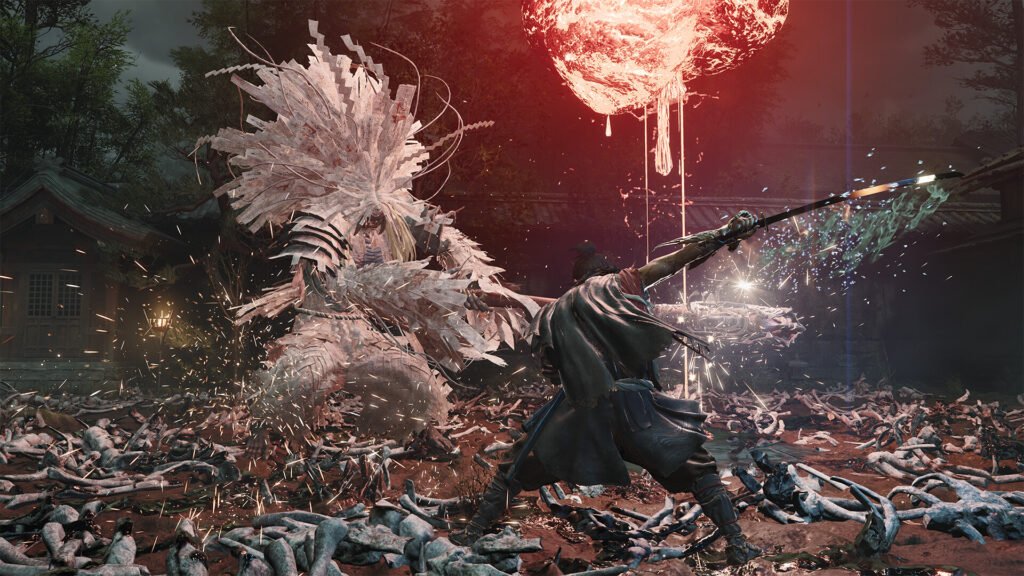
The short version: Onimusha is back, and it is genuinely one of the best action games Capcom has put out in years. Twenty years after Onimusha: Dawn of Dreams quietly closed out the series on PS2, Onimusha: Way of the Sword launched today, September 4, 2026, on PS5, Xbox Series X|S, Nintendo Switch 2 and PC. It arrives with an 86 on Metacritic, a 94 percent critic recommendation rate on OpenCritic, and the first 10 out of 10 IGN has ever given anything wearing the Onimusha name. That is not a small comeback. That is a franchise walking back into the room like it never left.
Quick answer
Yes, buy it, especially if you liked Sekiro or the classic Onimusha games. Way of the Sword launched September 4, 2026 for $69.99 on PS5, Xbox Series X|S, Switch 2 and PC. The parry-driven combat is the best the series has ever had, the campaign runs 12 to 25 hours depending on how thoroughly you play, and the only real complaint from critics is that the back half repeats itself.
Capcom pulled the release date forward three full weeks, from September 25 to today, which is an unusually confident move for a publisher and a sign of how the internal testing must have gone. Here is what two decades away actually bought the series, and whether the wait was worth it.
Why a 20 year gap is a bigger deal than it sounds
Onimusha was never a niche series. Onimusha: Warlords launched in 2001 as one of the PS2’s defining early hits, mixing Resident Evil’s fixed camera survival horror grammar with sword duels and a demon-hunting samurai fantasy. Three more mainline entries followed fast: Onimusha 2: Samurai’s Destiny in 2002, Onimusha 3: Demon Siege in 2004 with Jean Reno playing a version of himself opposite the series’ hero, and Onimusha: Dawn of Dreams in 2006. Then, without much ceremony, Capcom just stopped. No cancellations, no big farewell, the franchise simply went dormant while the studio poured its energy into Resident Evil and Monster Hunter.
Way of the Sword was announced in 2024 and is directed by Satoru Nihei with Akihito Kadowaki producing, built on Capcom’s RE Engine, the same technology behind the modern Resident Evil remakes. That engine pedigree shows immediately: this is the best-looking Onimusha has ever looked, and reviewers who covered the recent Switch 2 version of another ambitious 2026 action release, The Blood of Dawnwalker, will recognize the same instinct publishers have this year to bet big on games that lean into atmosphere over spectacle.
The story: a samurai, a demon gauntlet, and a city gone wrong
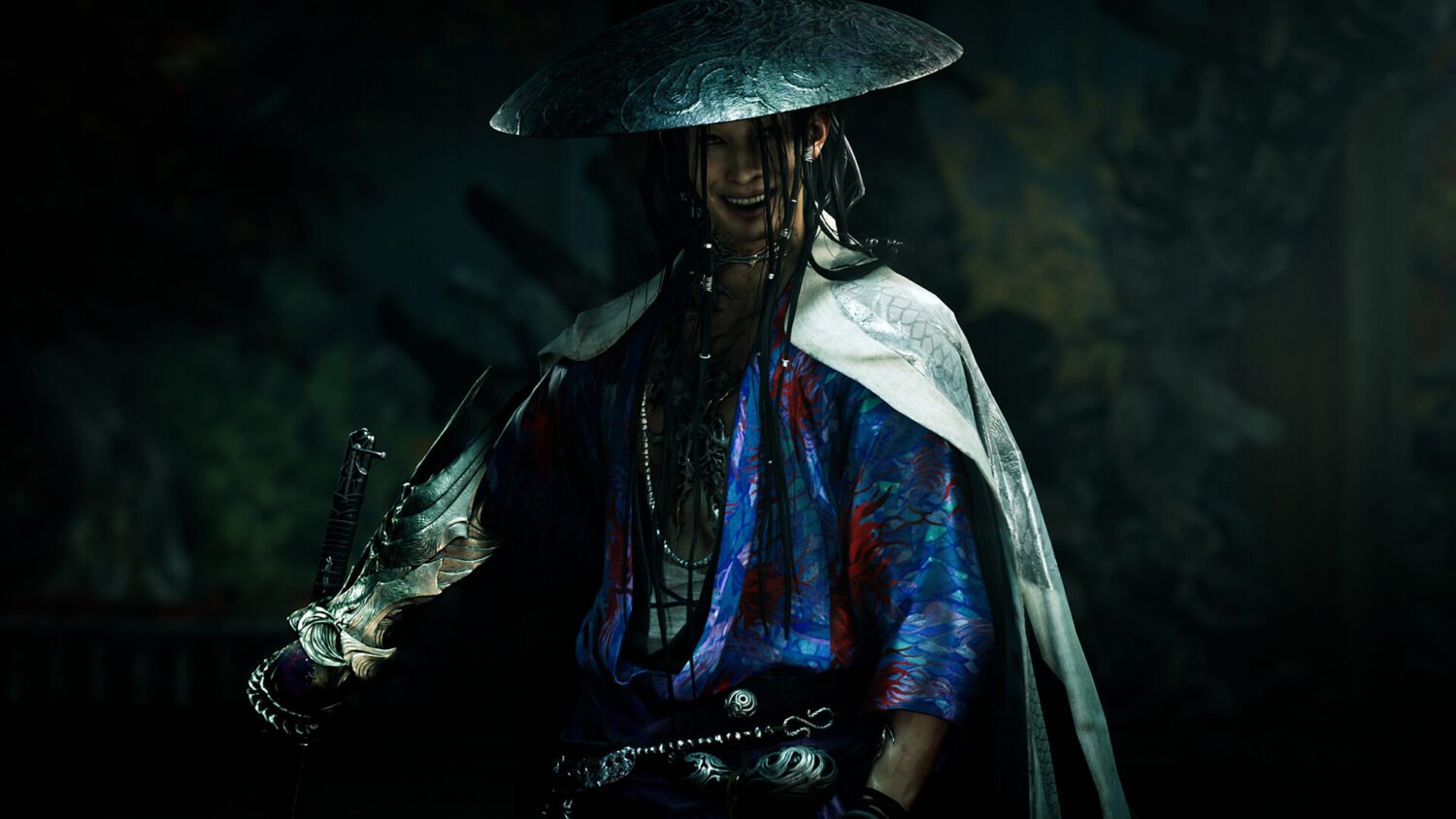
Way of the Sword is set in Kyoto during the early years of the Tokugawa shogunate. A young Miyamoto Musashi arrives in the capital to challenge Yoshioka Seijuro, head of the city’s most respected sword school, only to run into a rival swordsman, Sasaki Ganryu, before both men are cut down by nightmarish creatures called Genma. The prologue kills its own protagonist. Musashi wakes up in Hell, is dragged back to the living world by a mysterious benefactor, and finds a demonic Oni Gauntlet fused permanently to his arm.
That gauntlet is the emotional hook the older games never quite had. Musashi is a purist who believes his skill as a swordsman should be enough, and the story keeps needling him with the fact that he now needs demon magic to survive. He has to hold the Genma back from breaching the Oni Gate and flooding the world, all while wrestling with whether the power keeping him alive is quietly changing who he is.
A nice touch: Capcom modeled this version of Musashi’s face and performance on the late Toshiro Mifune, the actor who effectively defined cinematic samurai for Western audiences through his work with Akira Kurosawa, including playing Musashi himself in the 1954 Samurai trilogy. It is the kind of detail that only lands if you know film history, and it gives the performance a weight that a generic anime hero face would not have carried.
The parry is the whole game, and it rules
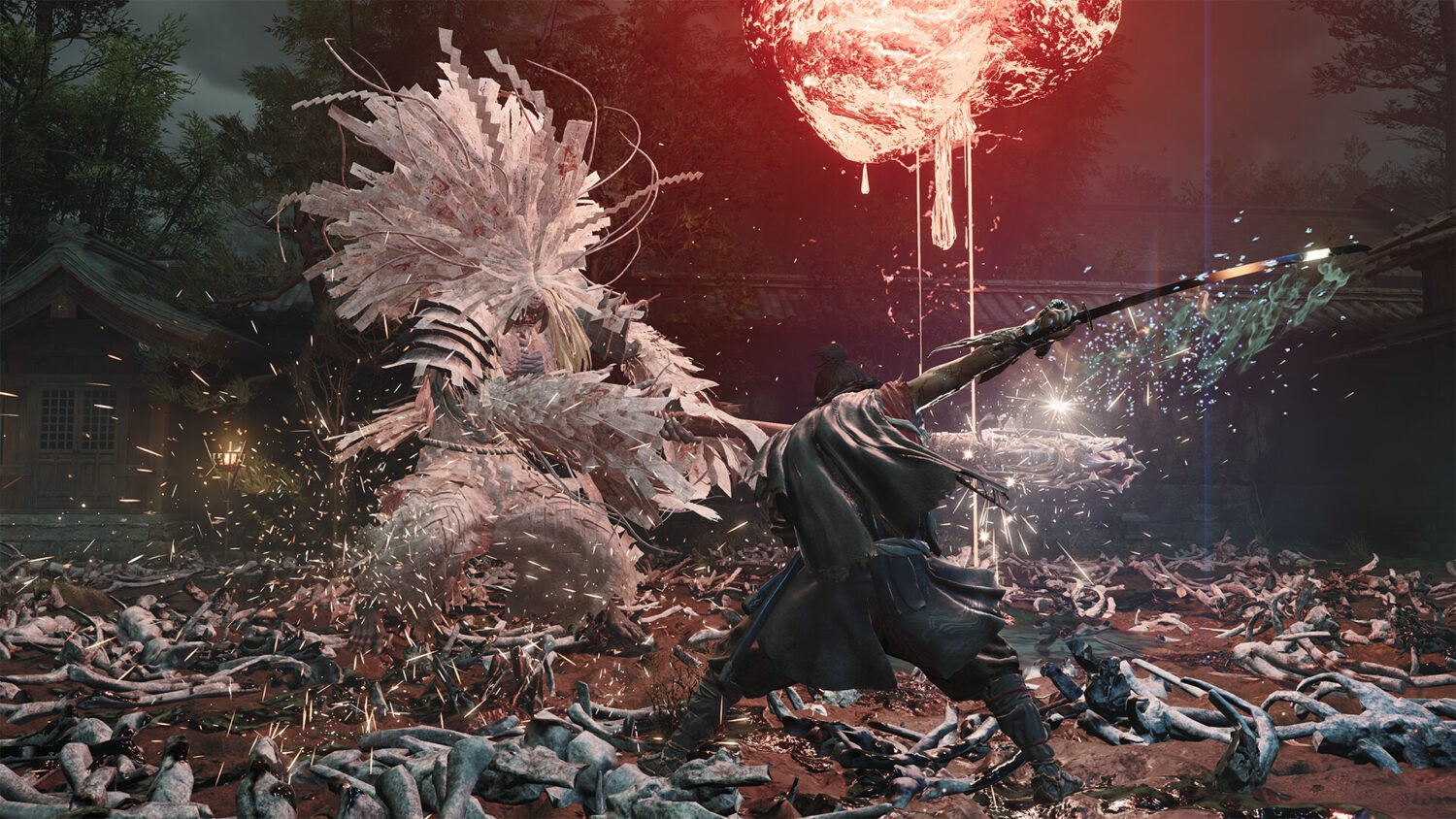
Everything in Way of the Sword is built around a mechanic called Issen, a frame-perfect parry that Capcom has clearly spent years tuning. Time your block at the exact instant an enemy’s weapon connects and you phase through the attack and execute an instant kill, showering the screen with souls you can spend on upgrades. Miss the window and you eat the full combo. There are variants for players who need a gentler entry point, a forgiving Deflect Issen, plus a Chain Issen for stringing kills together against groups, and a Break Issen that lets you finish a staggered boss by choosing which body part to destroy.
| Issen variant | What it does |
|---|---|
| Deflect Issen | A wider, more forgiving timing window aimed at newer players |
| Chain Issen | Press attack again the instant one Issen lands to keep the kill streak going against a crowd |
| Break Issen | Finishes a boss after its stamina breaks, with a choice of body part for different rewards |
Beyond the gauntlet, Musashi still fights primarily with a sword, and the game leans into interconnected, semi-open level design rather than a fully open world: a linear introduction gives way to hub-like stages that expand as you unlock tools and alternate paths, closer in shape to a classic Resident Evil map than to a modern open-world checklist.
What the critics actually said
Scores as of launch day, September 4, 2026. The spread skews high across the board, with almost every outlet agreeing on what works and disagreeing only on how much the pacing issues should cost the game.
86
OpenCritic, 83 outlets
86
Metacritic, PS5
94%
of critics recommend it
| Outlet | Score | The gist |
|---|---|---|
| IGN | 10 / 10 | The franchise’s first-ever perfect score |
| Nintendo Life | 9 / 10 | A superb samurai revival, even on Switch 2 |
| Eurogamer | 4 / 5 | Confident, focused, occasionally repetitive |
| PC Gamer | 83 / 100 | Best combat Capcom has made in years |
| VGC | 3 / 5 | Great combat, campaign overstays its welcome |
Full aggregates are on OpenCritic and Metacritic, and both are still moving as more reviews land through launch week.
Know before you buy
Multiple reviewers, including VGC and Push Square, flag the same issue: the tight, exhilarating core of boss fights and Issen duels that runs about 12 hours gets stretched into a 20 to 25 hour campaign through repeated mini-boss encounters and a late-game difficulty spike that feels tuned by padding rather than by design. If you play story-focused and skip the extra content, you will likely never notice it.
How it runs: PS5, Xbox, Switch 2 and PC compared
Capcom’s optimization work here has been one of the bigger surprises of the launch. The Switch 2 port in particular is being singled out as one of the strongest third-party ports the console has gotten, running noticeably smoother than Capcom’s own Resident Evil Requiem earlier in the year.
| Platform | Metacritic | Performance notes |
|---|---|---|
| Nintendo Switch 2 | 89 | Optional 30fps cap or an uncapped mode with VRR support in handheld, hovering around 45fps and touching 60fps in lighter scenes |
| PlayStation 5 | 86 | Stable performance mode targeting 60fps, quality mode with heavier ray tracing |
| PC | 83 | DLSS 4.5 and FSR 3.1 supported, GTX 1660 class card needed at minimum |
| Xbox Series X|S | 82 | Series S trades resolution for a steady frame rate; Series X mirrors PS5’s performance mode |
Tip: if you are torn between Switch 2 and a home console, the reviews are unusually consistent that this is a rare case where the handheld port is not the compromise pick. Uncapping the frame rate in handheld mode and letting VRR smooth things out is the setting most reviewers recommend leaving on.
Price, editions and platforms
| Release date | September 4, 2026 (moved up from September 25) |
| Platforms | PS5, Xbox Series X|S, Nintendo Switch 2, PC (Steam and Epic Games Store) |
| Standard edition | $69.99 / £59.99 |
| Deluxe edition | $79.99, adds a cosmetic kit of charms and sword appearances |
| Premium Deluxe edition | $89.99, adds outfits for supporting characters and a mini digital soundtrack |
| Length | Around 12 hours for the core story path, 20 to 25 hours playing more thoroughly |
| Multiplayer | None. Single player only |
Should you buy Onimusha: Way of the Sword?
Buy it now if
You want the tightest parry-based combat Capcom has ever shipped
You grew up on the PS2 originals and want that feeling back
You are shopping for Switch 2 and want proof third-party ports can hold up
You liked Sekiro’s parry rhythm but wanted more visual spectacle
Wait for a sale if
You are a completionist who gets frustrated by repeated boss encounters
You mainly play for long, sprawling open worlds rather than tight action
You would rather wait and see how the difficulty balance holds up post-launch
Our position: at 8.7 out of 10 this is an easy recommendation for anyone who wants Capcom at its most confident, and it is the strongest evidence yet that a beloved dormant franchise does not need a reboot or a soft relaunch, just a studio willing to trust the mechanic that made it special in the first place. It has also been a busy week for the platforms it launched on, between PlayStation’s September State of Play lineup and several games leaving PlayStation’s library this month, so Way of the Sword lands at a genuinely eventful moment for anyone with a PS5 in the living room.
Frequently asked questions
Do I need to play the older Onimusha games first?
No. Way of the Sword is set generations earlier than the PS2 games and follows an entirely new protagonist in Miyamoto Musashi. It is a fresh starting point, not a direct sequel to Dawn of Dreams.
How long is Onimusha: Way of the Sword?
The tightly designed core path, mostly boss encounters and Issen duels, runs about 12 hours. Playing more thoroughly and engaging with side content stretches that to 20 to 25 hours, which is also where reviewers say the pacing gets repetitive.
Is the Switch 2 version worth buying over PS5?
It holds up better than almost anyone expected. Reviewers found it ran smoother than Resident Evil Requiem on the same hardware, with an uncapped frame rate mode and VRR support in handheld play. PS5 still has the strongest visual fidelity, but the Switch 2 port is not a compromised version of the game.
Is there multiplayer or co-op?
No, Way of the Sword is entirely single player, in keeping with every prior game in the series.
Who is the actor behind Musashi’s likeness?
Capcom used the likeness of the late Toshiro Mifune, the actor known for playing samurai roles in Akira Kurosawa’s films and for portraying Musashi himself in the classic 1954 Samurai trilogy.
Will there be more Onimusha games after this?
Capcom has not announced a sequel. Given the strength of the reviews and a 20 year wait finally paying off, a follow-up seems likely, but nothing has been confirmed.
The bottom line
Onimusha: Way of the Sword is the rare legacy revival that actually understands why people loved the original games, and then builds a combat system precise enough to justify a 20 year wait. The Issen parry system is as good as anything Capcom has designed, the Kyoto setting is the best-looking rendition of feudal Japan the studio has produced, and the Mifune-inspired take on Musashi gives the story a gravity these games have never quite had before. The campaign runs longer than its best ideas can comfortably support, but that is a pacing note, not a reason to skip one of the best action games of 2026.
How we scored this: our verdict combines the critic consensus from OpenCritic and Metacritic across all four platforms with hands-on reporting from outlets that tested the Issen combat system, the Switch 2 port and the campaign’s pacing. Scores and prices are accurate as of September 4, 2026, launch day, and were taken from the official Capcom and Steam listings and the reviews linked above.
About this article: GeekBlog covers U.S. technology news, AI, phones, smartwatches and gaming. Every story is written and checked under our Editorial Policy. Spotted a mistake or have a story tip? Contact our editors.
