

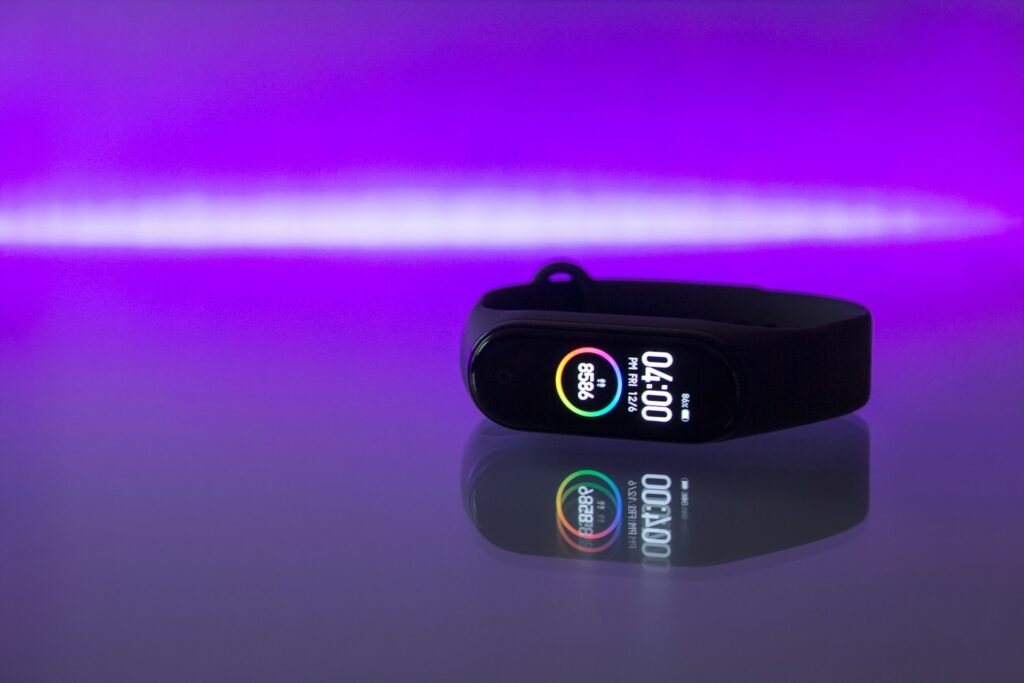
For years, the screenless fitness band has belonged to Whoop. You paid a yearly membership, strapped on a small sensor pod, and let an app tell you how well you slept and how hard you could train. Now Garmin has joined in, and it did it with one very pointed decision: no required subscription. The Garmin Cirqa Smart Band arrived on July 24 at $199, and the first wave of reviews has settled into a fairly clear picture of who it suits.
The headline is easy. The details are where it gets interesting, because the Cirqa sits in a crowded little category that now includes Google’s $99.99 Fitbit Air, Whoop 5.0 and the Oura Ring 5. Each makes a different trade between price, battery, water resistance and software. Let’s sort them out.
Short answer
The Garmin Cirqa is a $199 screenless band with about 10 days of battery, 5 ATM water resistance and Garmin’s usual health and recovery metrics, all free. It has no onboard GPS and no display. Optional Garmin Connect+ costs $6.99 a month or $69.99 a year and adds coaching, nutrition and AI features. It is best for existing Garmin users and anyone who wants Whoop-style recovery data without a mandatory membership.
What the Garmin Cirqa Actually Is
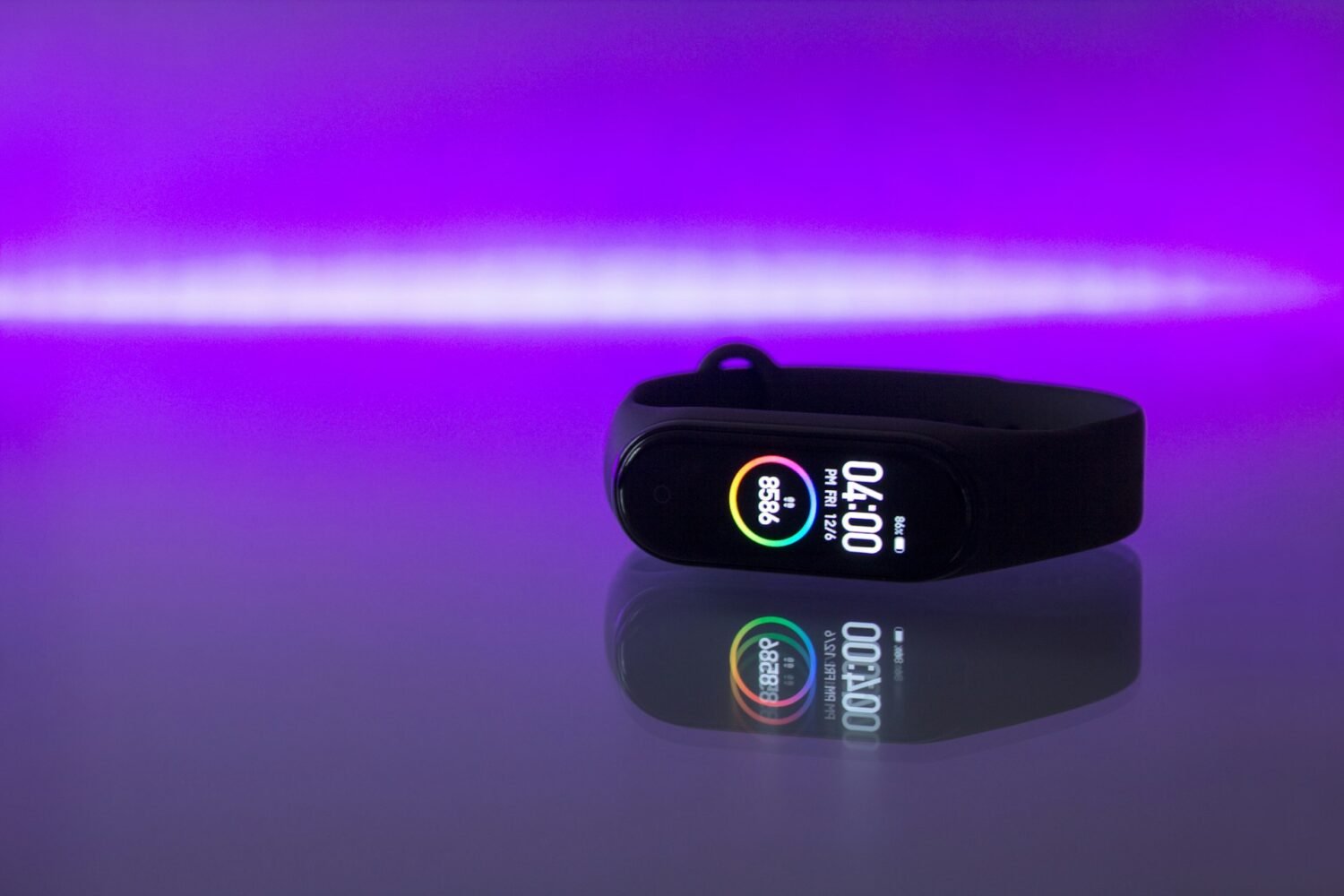
Think of the Cirqa as a Garmin watch with the watch removed. A small sensor module sits in a soft fabric band, and everything you see lives in the Garmin Connect app on your phone. There is no screen to glance at mid-run and no buttons to fiddle with. Garmin sells it in four colors: Black, Captain Blue, Mauve and French Gray.
The sensor package is the same family you will find in Garmin’s wrist wearables. Heart rate comes from the Elevate Gen 4 optical sensor, with skin temperature sensing during sleep, and there is an optional Pulse Ox mode. Garmin’s own spec page notes that Pulse Ox is off by default and that turning it on cuts battery life. The band tracks heart rate, stress, respiration, blood oxygen, sleep and recovery, and it can auto-detect more than 80 activities.
| Spec | Garmin Cirqa |
|---|---|
| Price | $199 (£179) |
| Release date | July 24, 2026 |
| Battery life | Up to 10 days |
| Water resistance | 5 ATM (50 meters) |
| Weight | 14.8 g module, about 21 g with band |
| Sensors | Elevate Gen 4 heart rate, Pulse Ox, skin temperature, accelerometer |
| GPS | None, uses phone GPS |
| Subscription | Optional Connect+, $6.99 a month or $69.99 a year |
Cirqa vs Fitbit Air vs Whoop 5.0 vs Oura Ring 5
Here is the part that decides most purchases. All four devices chase the same idea, passive tracking you barely think about, but the money and the trade-offs differ a lot.
| Feature | Garmin Cirqa | Fitbit Air | Whoop 5.0 | Oura Ring 5 |
|---|---|---|---|---|
| Upfront price | $199 | $99 | Included in membership | From $399 |
| Subscription | Optional, $69.99/yr | Optional, $99/yr | Required, $199 to $359/yr | Optional, $72/yr |
| Battery | 10 days | 7 days | 14 days | About 9 days |
| Water resistance | 50 m | 50 m | 10 m | 100 m |
| Standout feature | Body Battery | AFib alerts | Strain and recovery coaching | Cardiovascular age |
Whoop wins on raw battery life, and the Oura Ring wins on water resistance and looks. The Fitbit Air wins on price and on being the smallest, lightest option. The Cirqa’s pitch is the middle path: a deeper health platform than the Air, without Whoop’s mandatory membership.
The Subscription Question
This is the Cirqa’s real argument. Garmin gives you the full data set in Garmin Connect for free: sleep, recovery, stress and Body Battery. Garmin Connect+ is a bonus layer for coaching plans, nutrition tools and its AI-driven Active Intelligence features, not a toll gate in front of your own numbers.
That is a very different deal from Whoop, where the band is technically free but you cannot use it without paying at least $199 a year. Over three years, the gap is large.
Even if you pay for Connect+ the whole time, the Cirqa lands near Fitbit Air with Premium and well under Whoop. If you stay on the free tier, it is one of the cheaper ways to get serious recovery data. For a wider look at which wearables avoid recurring fees, our guide to the best smartwatches with no subscription in 2026 covers the full-size options.
What Reviewers Liked
- Battery and comfort. Ten days is long enough that you stop thinking about charging, and the fabric band is gentler on skin than the silicone straps on many watches.
- Garmin’s data depth. You get the same family of sleep, stress and recovery metrics Garmin owners already know, including Body Battery, which none of the rivals offer.
- No required membership. Core health and training data stays free, which is the main reason most coverage frames it as the anti-Whoop.
- Distraction-free wear. No notifications on your wrist and no temptation to check the time every thirty seconds.
Verdicts have been broadly positive. TechRadar went as far as calling it the best screenless smart band of 2026, and Tom’s Guide described it as a near-perfect balance between the entry-level Fitbit Air and the pro-level Whoop 5.0.
Where the Cirqa Falls Short
The trade-offs to know before you buy
There is no screen and no built-in GPS. You cannot see pace or heart rate during a workout, and outdoor distance depends on your phone’s GPS. Some reviewers also found the Active Intelligence features behind Connect+ a little awkward, and the module is chunkier than the Fitbit Air, which matters on small wrists. Engadget’s verdict was that it is a fine but utterly inessential band, and that is a fair warning if you already wear a good watch.
The no-screen design cuts both ways. Fans love it. Runners and cyclists who want live data will not. If real-time training numbers matter to you, a proper sports watch is the better tool, and the Cirqa is better treated as a 24/7 recovery and sleep companion. If sleep is your main reason for looking at a band, our breakdown of the best smartwatches for sleep tracking in 2026 shows what the sleep score data actually looks like across brands.
Who Should Buy Which
| If you are… | Look at | Why |
|---|---|---|
| Already in Garmin Connect | Garmin Cirqa | Same app, same Body Battery, no new ecosystem. |
| On a tight budget | Fitbit Air | $99 entry, light and comfortable, with AFib alerts. |
| An athlete chasing strain and recovery coaching | Whoop 5.0 | Longest battery and the most mature recovery coaching, at a higher yearly cost. |
| Someone who hates wearing a band | Oura Ring 5 | Jewelry-style form and 100 m water resistance. |
Google is also pushing hard on this front. If you are curious how its subscription tiers work for the Air, we covered that in our look at Health Guardian on Pixel Watch and Fitbit Air.
Frequently Asked Questions
Does the Garmin Cirqa need a subscription?
No. Core health and fitness data is free in Garmin Connect. Garmin Connect+ is optional at $6.99 a month or $69.99 a year and adds coaching, nutrition and AI features.
Does the Cirqa have GPS?
No. It relies on the GPS in your paired phone for outdoor distance and pace, and it has no screen to show live stats.
Can you swim with the Garmin Cirqa?
It is rated 5 ATM, or 50 meters, so it handles showers and swimming. The Oura Ring 5 is rated higher at 100 meters, and Whoop 5.0 only 10 meters.
How long does the battery last?
Garmin rates it at up to 10 days under typical use. Turning on all-day Pulse Ox reduces that.
Final Verdict
The Garmin Cirqa is not trying to replace your watch, and that is why it works. For $199 you get a comfortable, waterproof, 10-day band that feeds Garmin’s well-liked health platform, and nobody asks for a yearly fee to look at your own data. It will not satisfy people who want a live display or built-in GPS, and the Fitbit Air is still the cheaper pick if price is everything. But for Garmin fans and anyone tired of Whoop-style memberships, it is the most sensible screenless band on the market right now.
Sources and further reading
- Tom’s Guide: Garmin Cirqa Smart Band launch
- Tom’s Guide: Cirqa vs Fitbit Air vs Whoop 5.0 vs Oura Ring 5
- TechRadar: Garmin Cirqa review
- Engadget: Garmin Cirqa review
- Wareable: Garmin Cirqa review
- The5kRunner: Garmin Cirqa specs
About this article: GeekBlog covers U.S. technology news, AI, phones, smartwatches and gaming. Every story is written and checked under our Editorial Policy. Spotted a mistake or have a story tip? Contact our editors.
