

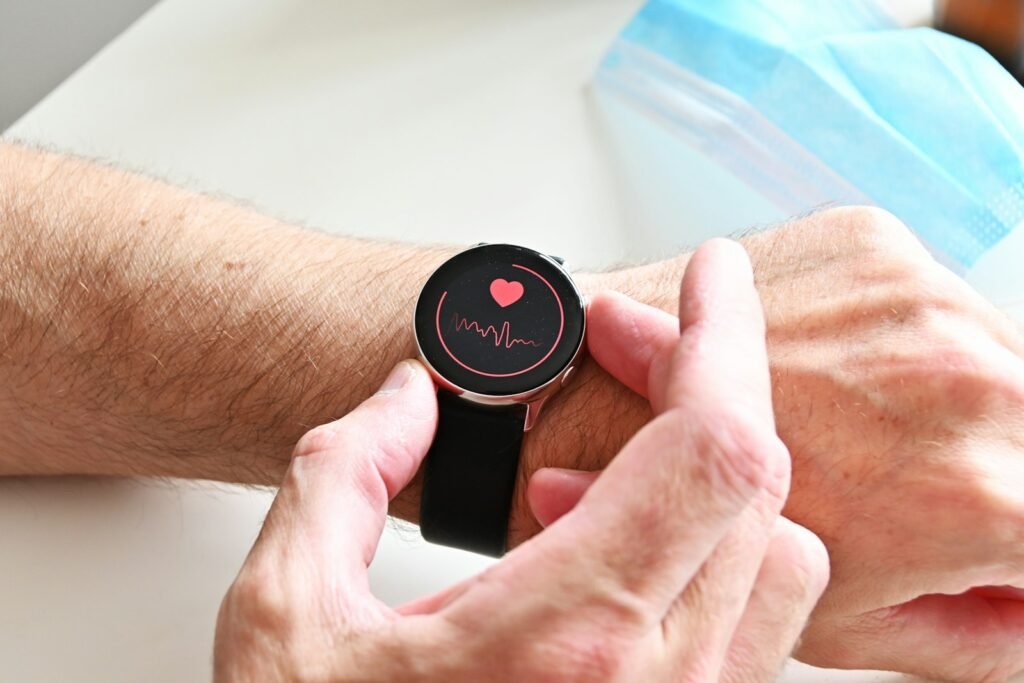
Google just did something smartwatch makers rarely do: it handed a headline health feature to people who already own the hardware. Health Guardian is now rolling out inside the Google Health app, and if you wear a Pixel Watch 3, 4 or 5, blood pressure trends, insulin resistance trends and a new sleep breathing score are yours for free.
The twist is on the other wrist. Owners of the screenless Fitbit Air, the $99.99 band Google built to go after Whoop, will get the same headline trends later this year, but only if they pay for Google Health Premium. Same company, same algorithms, very different price tags. That split says a lot about where Google thinks the money in wearables is heading.
Short answer
Health Guardian adds three background health features to the Google Health app: Blood Pressure Trends, Insulin Resistance Trends and Sleep Breathing Quality. They are free on Pixel Watch 3, 4 and 5, with first trend reports expected in early October. Fitbit Air will get blood pressure and insulin resistance trends later this year, but only with Google Health Premium ($10 a month or $100 a year), and it will not get Sleep Breathing Quality. Google says all of it is for general wellness, not diagnosis, and that the features have not been cleared or evaluated by the FDA.
What Health Guardian Actually Does
Health Guardian is less a single feature than a new layer of analysis on top of sensors your watch already runs. None of it asks you to sit still, strap on a cuff or prick a finger. The watch collects data passively, Google’s models chew on it for days or weeks, and the Google Health app shows you a trend instead of a live number.
Blood Pressure Trends
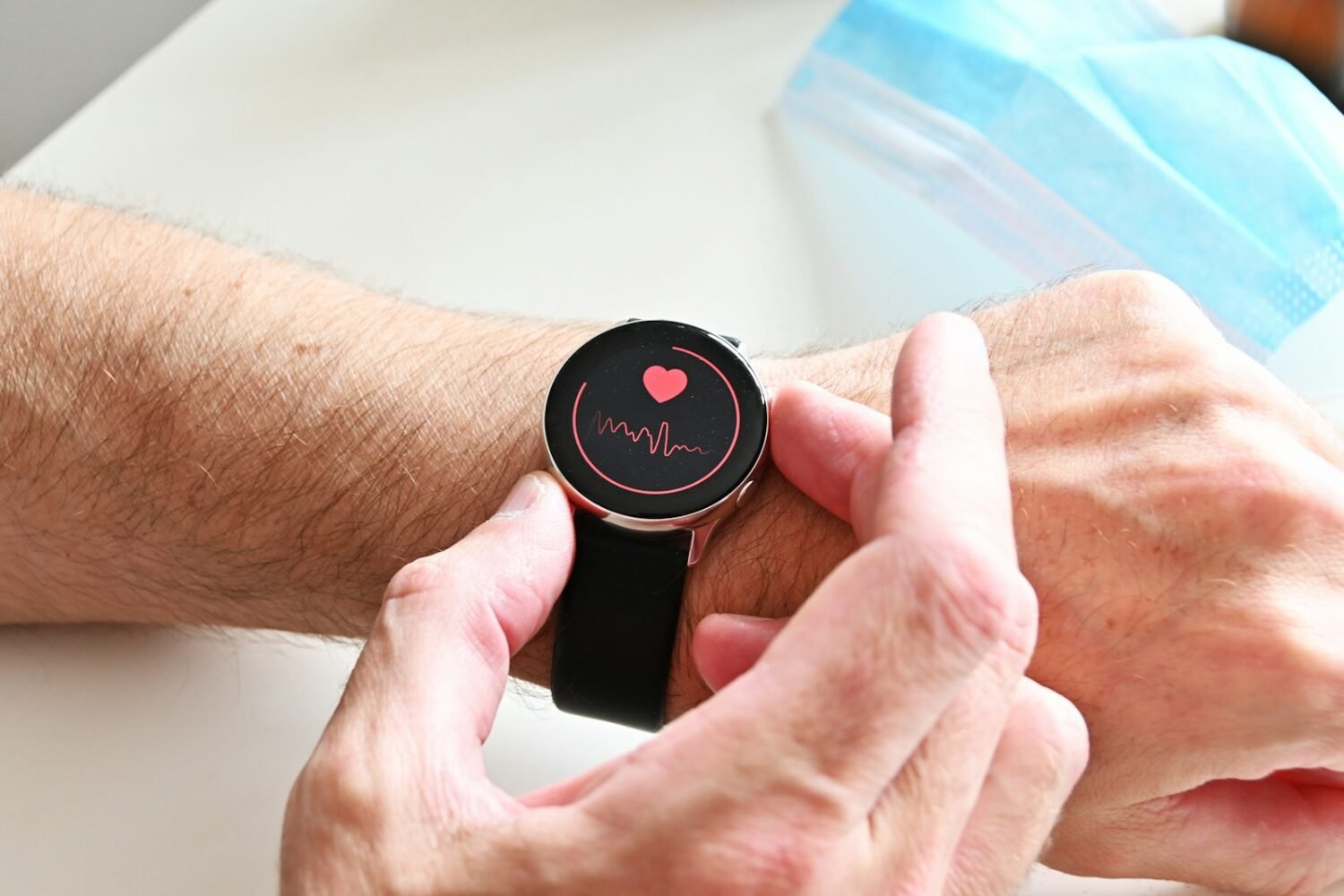
This is the one most people will care about. Instead of a one-off cuff style reading, Google uses a model it calls WavesFM to study the shape and speed of the pulse wave under your skin, alongside motion data, over time. The result is a longer view of whether your pressure pattern is drifting in a direction worth mentioning to a doctor. If you want the bigger picture of how this approach compares with cuffs and other brands, our guide to how smartwatch blood pressure monitoring actually works in 2026 covers the trade-offs in detail.
Insulin Resistance Trends
Insulin Resistance Trends looks at several weeks of physiological data for patterns linked to metabolic health, again without any blood test. Google has already described the science and its real limits, and we unpacked that in our earlier piece on how Pixel Watch flags insulin resistance and where the data falls short. What is new this week is that it is actually reaching watches, not just sitting in a press release.
Sleep Breathing Quality
The third feature focuses on the night. It shows how much of each sleep was spent breathing optimally, then rolls those nights into a longer-term assessment. It is exclusive to the Pixel Watch line for now. Fitbit Air owners are not getting it, which makes sense when you remember the Air has no screen and a much smaller sensor budget.
Who Gets What, and When
Availability is where the two product lines split. The table below sums up what has been confirmed so far.
| Device | Blood Pressure Trends | Insulin Resistance Trends | Sleep Breathing Quality | Cost |
|---|---|---|---|---|
| Pixel Watch 5 | Yes, rolling out now | Yes, rolling out now | Yes | Free |
| Pixel Watch 4 | Yes | Yes | Yes | Free |
| Pixel Watch 3 | Yes | Yes | Yes | Free |
| Fitbit Air | Later this year | Later this year | No | Google Health Premium required |
Google says the first trend reports should show up in early October. That timing matters, because these features need a learning period. Do not expect a blood pressure trend on day one. The watch has to build a baseline of you before it can say anything useful about change.
The Real Cost: Fitbit Air vs Whoop vs Pixel Watch
Here is where the paywall gets interesting. Fitbit Air is pitched as the subscription-light answer to Whoop. The hardware costs $99.99, and the core tracking (HRV, SpO2, skin temperature, sleep stages, Smart Wake and AFib detection) works without paying anything extra. Google Health Premium costs $10 a month or $100 a year, with three months included free. Whoop, by contrast, requires a membership from the very start, with tiers at $199, $239 and $359 a year.
Health Guardian complicates the Fitbit Air story a little. If you want the new blood pressure and insulin resistance trends on that band, you need Premium, which narrows the price gap. It still stays far below Whoop over time, as the five-year math shows.
One fair caveat: the Pixel Watch is a full smartwatch with a screen, GPS, payments and apps, so comparing it to a screenless band on price alone is not apples to apples. If avoiding monthly fees is your main goal, our roundup of the best smartwatches with no subscription in 2026 is a better starting point than any single band.
The fine print you should read
Google states that the blood pressure, insulin resistance and breathing quality features are for general wellness. They should not be used to diagnose hypertension, diabetes or sleep apnea, or to change medication or treatment. A footnote adds that the feature has not been cleared or evaluated by the FDA, and that it carries a CE mark in the EU. A trend is a prompt to ask questions, not an answer.
How Much Should You Trust a Wrist Estimate?
A University of Michigan study published in early September 2026 offered a timely reminder: many of the numbers a smartwatch shows are algorithmic estimates rather than direct measurements of the body, and some outputs are more reliable than others. Heart rate from a good optical sensor is fairly solid. Anything inferred about blood pressure or metabolism sits much further down the confidence ladder.
That does not make Health Guardian useless. Slow trends can be meaningful even when a single reading is noisy, in the same way a bathroom scale that is off by two pounds is still good at showing you a steady climb. The danger is treating a soft estimate as a verdict. A flagged trend should lead to a proper cuff reading or a lab test, not to panic, and a clean trend should never talk you out of a scheduled checkup.
- Give it time. Expect the first reports in early October, and judge them after a few weeks of wear, not a few days.
- Wear it to bed. Sleep Breathing Quality and the overnight inputs to the other trends depend on consistent nighttime wear.
- Confirm with real tools. If a trend looks off, check with a validated home cuff or see a clinician before drawing conclusions.
- Keep your own context. Illness, stress, travel, caffeine and new medications can all nudge the signals the models rely on.
Why Google Is Splitting Free and Paid
The logic is fairly clear once you line up the products. Pixel Watch buyers already paid for premium hardware, so the features are a thank-you and a selling point against Apple and Samsung. Fitbit Air buyers paid $99.99 for a deliberately cheap band, so Google uses Premium to recover the ongoing cost of the AI analysis. It is the same playbook Whoop popularized, just with a lower price and a free tier that still does a lot.
For shoppers, the practical takeaway is simple. If you want Health Guardian at zero ongoing cost, the Pixel Watch is the only way in. If you want the cheapest entry into trend-based health tracking and do not mind a subscription, Fitbit Air still undercuts Whoop by a wide margin, even with Premium switched on.
Frequently Asked Questions
Which Pixel Watch models get Health Guardian?
Pixel Watch 3, Pixel Watch 4 and Pixel Watch 5 can set up Blood Pressure Trends, Insulin Resistance Trends and Sleep Breathing Quality inside the Google Health app at no extra cost.
Does Fitbit Air get Health Guardian for free?
No. Fitbit Air is expected to receive blood pressure and insulin resistance trends later this year, and Google Health Premium is required. Sleep Breathing Quality is not planned for the Air.
Can Health Guardian diagnose high blood pressure or diabetes?
No. Google describes the features as general wellness tools and says they should not be used to diagnose hypertension, diabetes or sleep apnea. They have not been cleared or evaluated by the FDA.
How much does Google Health Premium cost?
Google Health Premium costs $10 per month or $100 per year, and new Fitbit Air buyers get three months free.
Final Verdict
Health Guardian is a smart, quietly ambitious update, and giving it to existing Pixel Watch owners for free is a genuinely good move. It turns sensors you already wear into a long-term health picture without adding any chore. The Fitbit Air paywall is a reasonable trade for a $99.99 band, but it does blur the “no subscription” pitch that made the Air attractive in the first place. Whichever device you wear, remember what these features are: early-warning nudges built on estimates. Use them to start better conversations with your doctor, not to replace them.
