

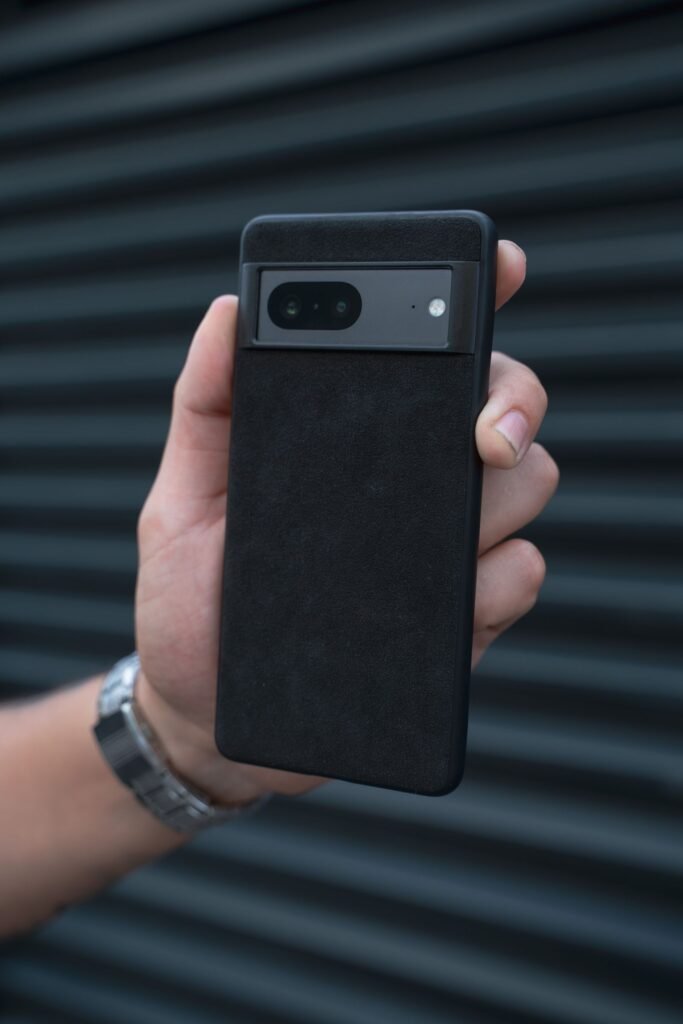
If you own a Pixel 6 or a Pixel 6 Pro, the October 2026 security update is the last one you will ever get. Google’s support window for both phones closed this month, five years and one week after they went on sale.
Nothing dramatic happens. The phone will not slow down, lock up, or start nagging you. It will behave exactly as it did in September. That is precisely what makes end of support easy to ignore, and it is why it is worth understanding what actually changed under the surface.
The short version: most of the software on your Pixel keeps updating. The part that does not is the part that matters most.
What end of support actually means
Android security is not one thing. It arrives through several separate channels, and only some of them run through the manufacturer.
When Google ships a monthly security bulletin, it is patching the parts of the system that live below the app layer: the Linux kernel, the media framework, Bluetooth and Wi-Fi stacks, the GPU and camera drivers supplied by Qualcomm or in this case Google’s own Tensor partners, the bootloader, and the cellular baseband. Those fixes have to be compiled into a full system image, signed, and pushed to the device. Only the manufacturer can do that, which is why support end dates exist at all.
Everything else reaches you through Google Play. Google Play Services, the Play system updates that Google introduced with Project Mainline to decouple certain core modules from full OS releases, Play Protect’s malware scanning, Chrome, Gmail, your banking app. All of that updates independently of your phone’s Android version and will carry on doing so for a long time yet.
This split is why an out-of-support Android phone feels so normal. The visible software, the apps you touch all day, stays fresh. The invisible software, the layer an attacker would actually target, freezes.
Five years, and the promise that changed halfway through
The Pixel 6 and 6 Pro went on sale in late October 2021 as Google’s first Tensor phones. They launched with a commitment of three years of Android version upgrades and five years of security patches, which was the standard of the day and already better than most of the industry managed.
Then in December 2024 Google quietly revised its own policy page and extended the Pixel 6, Pixel 7 and original Pixel Fold to a full five years of both software and security updates. That is why these phones received Android 17 at all, a version they were never originally promised. Android 17 QPR1 ended up being the last major release for the Pixel 6 generation.
Credit where it is due: Google delivered more than it sold. The awkward part is the contrast with what came next. Starting with the Pixel 8 in October 2023, Google moved to seven years of OS and security updates across the entire lineup, including the cheaper A-series. A Pixel 6 owner watched the goalposts move two years after buying in.
Where every Pixel stands right now
If you are trying to work out how long your own phone has, or you are shopping secondhand and want to know what you are buying into, this is the full picture.
| Model | Support ends | Status |
|---|---|---|
| Pixel 6, 6 Pro | October 2026 | Finished |
| Pixel 6a | July 2027 | Under a year left |
| Pixel 7, 7 Pro | October 2027 | About a year left |
| Pixel 7a | May 2028 | Around 19 months |
| Pixel Fold | June 2028 | Around 20 months |
| Pixel 8, 8 Pro | October 2030 | Seven-year policy |
| Pixel 9 series | August 2031, Pro Fold September 2031 | Seven-year policy |
| Pixel 10 series | August 2032, Pro Fold October 2032 | Seven-year policy |
Worth noting for anyone with a Pixel Watch on the same account: Google’s wearables run on a much shorter clock, and the Pixel Watch 2 reached its own end of support this month after just three years.
How worried should you actually be?
This is where most coverage either shrugs or panics, and neither is right.
Your Pixel 6 did not become insecure on October 1. It is running the most recent patch level it will ever have, which on day one is the same patch level a supported phone has. Risk accumulates from there, slowly at first and then faster, as new vulnerabilities are disclosed in components your phone can no longer receive fixes for.
The categories that matter are the ones Play cannot reach. Flaws in media parsing libraries are historically the ugliest, because they can be triggered by a message or an image with no interaction from you. Baseband vulnerabilities sit in the cellular modem and are similarly invisible. Kernel and driver bugs are usually chained to escalate privileges after an initial foothold. None of these can be patched through the Play Store, and all of them get published in the monthly Android bulletins that your phone will now read like a list of things wrong with it.
Against that, context. The overwhelming majority of real-world Android compromise still comes through social engineering and sideloaded apps, not exotic kernel exploits. Play Protect still runs. Chrome, the single largest attack surface on any phone, still updates. For a person who installs apps from the Play Store, keeps Chrome current, and does not click unexpected links, a Pixel 6 is a reasonable device for another year. It is a worse choice as a primary phone in 2028, and a bad one in 2030.
Your four realistic options
1. Keep using it, with limits
Perfectly defensible for the next year or so. Treat the phone as a device whose security is frozen: avoid sideloading, be strict about app permissions, keep Chrome updated, and think twice before using it as the second factor for anything genuinely valuable. If it is a secondary device, a tablet replacement, a kid’s first phone or a car media player, end of support barely registers.
2. Move to GrapheneOS
GrapheneOS has been the serious answer for privacy-minded Pixel owners for years, and the project typically issues temporary extended-support releases after Google’s window closes. The important caveat is one the project itself makes plainly: those builds cannot include proprietary firmware patches that Google no longer publishes, so they are harm reduction during a migration rather than an equivalent substitute for vendor support.
If you have never looked at it, the project also broadened recently, and GrapheneOS shipping on a non-Pixel device for the first time is a reasonable sign of where it is heading. Sandboxed Google Play means your normal apps still work.
3. Move to LineageOS
LineageOS supports a far wider range of hardware and is the usual route for keeping older phones running for years past their official life. Update cadence depends on volunteer maintainers rather than a schedule, and the same firmware limitation applies. It is the better pick if your goal is longevity and a clean Android build rather than a hardened security posture.
4. Replace it
The honest option if this is your only phone and you keep devices for a long time. Anything from the Pixel 8 onward carries the seven-year commitment, and a used Pixel 8 now costs a fraction of its launch price while still having four years of patches ahead of it. That is a better support position than a brand new mid-range phone from most other brands. If you would rather buy new and cheap, the Pixel 11a is the next A-series entry and will carry the same seven-year window.
Frequently asked questions
Will my Pixel 6 stop working?
No. It will keep working indefinitely. Calls, texts, data, apps, the camera and Google services all continue exactly as before. End of support affects only the delivery of new system-level security patches and software features.
Will banking apps stop working on an unsupported Pixel?
Not immediately, and not because of the end-of-support date itself. Some banking and streaming apps check device integrity through Play Integrity, and those checks can tighten over time for devices on old patch levels. Installing a custom ROM is more likely to trigger problems than simply running an unpatched stock Pixel, though GrapheneOS has workable paths for most apps.
Does the Pixel 6a end at the same time?
No. The Pixel 6a launched in July 2022 and its support runs to July 2027, giving it roughly nine more months than the Pixel 6 and 6 Pro.
Can I still get Android 18 on a Pixel 6?
Not officially. Android 17 QPR1 was the final major release for the Pixel 6 generation. A community ROM based on a newer Android version is the only route, and it will not bring the firmware and baseband updates that a Google release would.
Is GrapheneOS really more secure than an unpatched stock Pixel?
In most respects yes, because it hardens large parts of the OS that Google’s build does not and keeps the userspace current. But it cannot patch the proprietary firmware layer once Google stops publishing those binaries, so the gap narrows the longer you stay on it. The project is candid that extended-support releases are a bridge, not a destination.
Should I buy a used Pixel 6 now that it is cheap?
Only as a secondary device or a project phone. For a primary phone, spend a little more on a Pixel 8 or later and get four or more years of patches instead of none.
How do I check my current patch level?
Settings, then About phone, then Android version. The Android security update field shows the date of your most recent patch. If it reads October 2026 on a Pixel 6, you are fully up to date and will stay that way permanently.
The bottom line
Google did right by the Pixel 6 in the end. It shipped two more years of security patches than it originally sold, and one more Android version than anyone expected. Five years of support on a phone that launched at $599 is a decent outcome by any historical standard.
It is also over, and the gap between what the Pixel 6 got and what every Pixel since the 8 is guaranteed is wide enough to feel unfair if you bought in early. Seven years is now the number, and the Pixel 6 generation missed it by two models.
For most owners the sensible move is not panic and not denial. Confirm Play Protect is running, keep your apps current, stop treating the phone as the most trusted thing you own, and plan a replacement over the next twelve months rather than the next twelve days. The Pixel 6 has quietly become a very good second phone. It just stopped being a good first one.
Sources and further reading
- Google: Learn when you’ll get Android updates on Pixel phones
- Android Authority: The software update policy for every Google Pixel device
- Gadget Hacks: Pixel 6 end of support, what owners lose after October 2026
- Droid Life: Google Pixel update schedule and how long each phone gets updates
- tech-ish: Pixel 6 enters its final stretch as the July 2026 update rolls out
- GrapheneOS: Frequently asked questions, including device support and extended releases
- Android Central: When will your Pixel phone stop receiving updates
- 9to5Google: How long will my Google Pixel be supported
- endoflife.date: Google Pixel support lifecycle table
About this article: GeekBlog covers U.S. technology news, AI, phones, smartwatches and gaming. Every story is written and checked under our Editorial Policy. Spotted a mistake or have a story tip? Contact our editors.
