

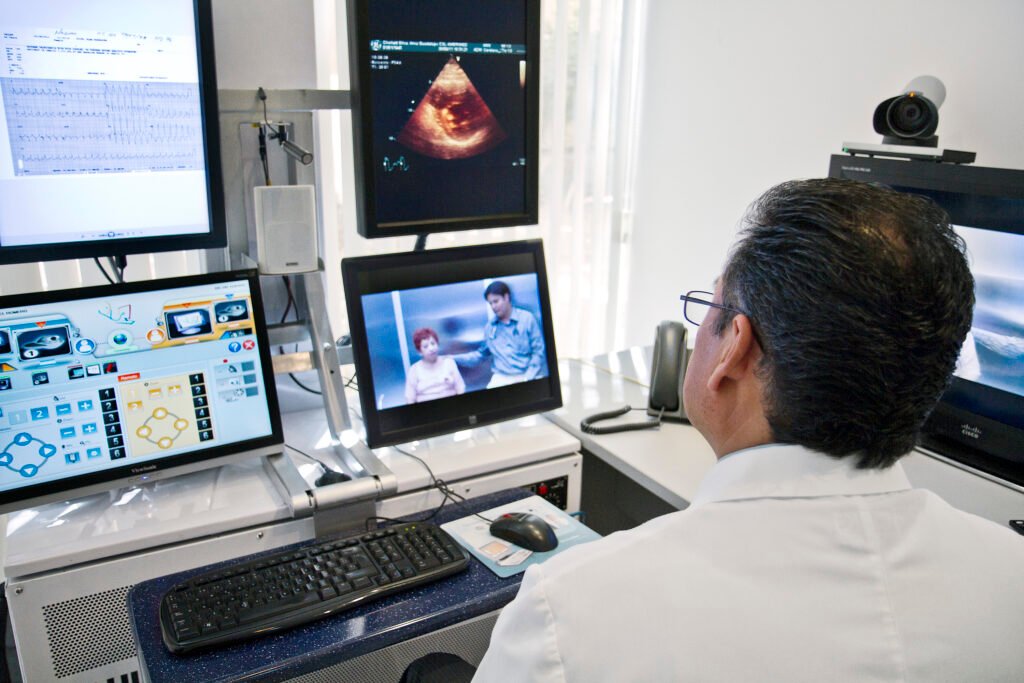
Epic Systems runs the electronic health records behind roughly 325 million patient charts across the United States, which means most people reading this have a record sitting somewhere inside it. On September 1, 2026, OpenAI announced that those records can now be pulled directly into ChatGPT for Healthcare, letting doctors ask a chatbot questions about a real patient’s history instead of clicking through years of appointment notes, lab panels and specialist referrals by hand.
The rollout landed with the kind of confident framing tech companies use when they know part of the audience is going to push back anyway. OpenAI called it a tool that saves clinicians time. Privacy researchers called it something else: the moment a huge slice of America’s most sensitive personal data started flowing into a system that does not have to follow the same rules that have governed medical records for almost thirty years.
The short version
- Epic is now connected to ChatGPT for Healthcare. Clinicians at participating organizations can pull a patient’s authorized chart, including notes, labs and medication history, straight into a chat session
- Access is read only. ChatGPT cannot write to the chart, place an order or alter documentation through this integration
- 325 million patients have records inside Epic’s system, the largest EHR platform in the US
- Physicians rated 4,363 AI responses across 27 clinical scenarios. OpenAI says 99.1% were judged safe for clinical use
- OpenAI says the setup meets HIPAA requirements for covered organizations with a signed business associate agreement
- Privacy lawyers disagree with the framing. Once a patient shares their own record with ChatGPT directly, HIPAA’s protections do not travel with it
What actually changed on September 1
ChatGPT for Healthcare already existed as a workspace for clinicians, but it worked mostly with whatever a doctor typed in or uploaded by hand. The Epic integration removes that step. Hospitals and clinics that run Epic, which covers a large share of major US health systems, can now authorize a live, read only connection so a clinician’s ChatGPT session can pull in a patient’s appointment history, lab results, medication list and specialist notes without leaving the chart view. In some deployments, ChatGPT sits embedded directly inside the Epic interface itself, so a doctor never has to switch applications to ask a question grounded in that specific patient’s record.
Alongside the Epic connection, OpenAI also shipped a Healthcare Public Data plugin that gives clinicians structured access to outside reference sources, including PubMed for research literature, DailyMed for drug labeling information, and CMS coverage data. The idea is to let a doctor ask something like whether a drug interaction shows up in the literature or whether a treatment is covered under a specific plan, without opening five separate tabs to check.
The safety numbers OpenAI is leading with
OpenAI’s pitch rests heavily on a specific evaluation. The company says physicians reviewed ChatGPT’s responses across 27 clinical use cases, things like medication reconciliation and handoff summaries between shifts, and produced 4,363 individual ratings. Of those, OpenAI reports that 99.1% were judged safe for a clinical environment. That is the kind of number a hospital compliance committee wants to see before it signs off on a new tool touching real patient data.
| Claim | What OpenAI reports |
|---|---|
| Patients covered by Epic | Over 325 million |
| Clinical use cases evaluated | 27, including medication review and handoff summaries |
| Physician ratings collected | 4,363 |
| Responses rated safe for clinical use | 99.1% |
| Write access to the patient chart | None. Read only by design |
| Compliance basis | HIPAA, with role based access, single sign on, audit logs and a business associate agreement |
Every one of those safeguards describes the clinician facing side of the product, where a hospital has signed a contract, agreed to audit terms and taken on responsibility for how the tool gets used. That is a genuinely different arrangement from a regular ChatGPT conversation, and it is worth being precise about the distinction, because most of the coverage since launch has blurred the two.
Why privacy lawyers are not applauding
Sara Geoghegan, senior counsel at the Electronic Privacy Information Center, put the core objection bluntly to reporters covering the launch: a patient who shares their own electronic medical record with ChatGPT Health “would remove the HIPAA protection from those records, which is dangerous.” Her point is not about the clinician facing integration with Epic, which does sit inside a HIPAA covered workflow. It is about the much larger and less controlled situation where an ordinary person copies their own lab results or a doctor’s note into a ChatGPT conversation, something people already do constantly, HIPAA covered or not.
The United States still has no comprehensive federal privacy law covering personal data the way HIPAA covers a hospital’s records. That gap matters here specifically because HIPAA’s protections are tied to the entity holding the data, not the sensitivity of the data itself. A lab result sitting in a hospital’s system is protected health information. The same result, pasted by a patient into a chatbot, is just another piece of text the AI company holds under its ordinary terms of service, which the company can change. If law enforcement or a civil litigant later wants that conversation, the legal shield a hospital would have to invoke does not automatically apply, a gap that echoes what courts have already been doing with chatbot transcripts more broadly: a growing list of court cases has shown that conversations with a chatbot carry none of the legal privilege a conversation with a lawyer or doctor would.
A regulatory net that is closing from multiple directions
This launch does not happen in isolation. ChatGPT has been absorbing new categories of legal exposure all year as its user base has scaled past a billion people weekly, and regulators in Europe just designated ChatGPT a Very Large Online Search Engine under the Digital Services Act, a category that comes with its own systemic risk audits and a deadline measured in months, not years. Layer a healthcare data integration covering a third of the US population on top of that, and OpenAI is now managing compliance obligations that stack across at least three different legal frameworks at once: HIPAA in the clinical product, the DSA in Europe, and whatever comes next as state privacy laws in the US continue to expand piecemeal.
None of that means the Epic integration itself is reckless. Read only access, audit logging and a business associate agreement are the standard toolkit hospitals already use to bring in any third party vendor, and OpenAI’s clinical evaluation numbers, if they hold up under independent scrutiny, are a reasonable bar for a first release. The risk critics are pointing at sits one layer over from the product announcement: the same week OpenAI is proving out how carefully it can handle health data inside a regulated hospital workflow, it is also running a consumer chatbot used by more than a billion people a week where none of those same protections apply the moment a person pastes in their own results.
What this means if you are the patient, not the hospital
If your doctor’s office uses Epic and has signed on to ChatGPT for Healthcare, the practical change is mostly invisible to you: your clinician can ask faster, more contextual questions about your chart, and the access trail is logged the way any EHR access already is. The part worth remembering has nothing to do with that workflow. It is the plain ChatGPT app on your phone, the one without a business associate agreement behind it, where pasting in your own bloodwork to ask “what does this mean” feels harmless and private in the moment, but legally is neither. The convenience is real. So is the gap Congress has left open around it for years, and nothing about this week’s announcement closes it.
Sources and further reading
- OpenAI: ChatGPT connects to EHR and healthcare data sources
- TechCrunch: ChatGPT Health adds Epic integration for clinicians
About this article: GeekBlog covers U.S. technology news, AI, phones, smartwatches and gaming. Every story is written and checked under our Editorial Policy. Spotted a mistake or have a story tip? Contact our editors.
