

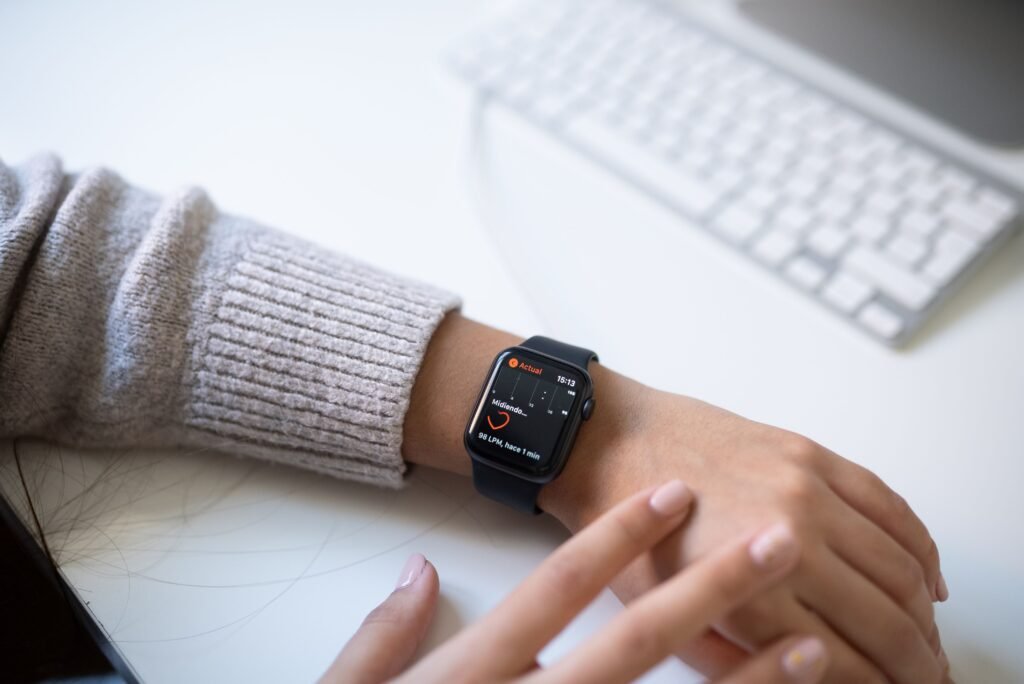
Blood pressure tracking on the wrist stopped being a gimmick in 2026. Samsung’s on-demand blood pressure feature finally reached Galaxy Watch owners in the United States this spring, Apple’s hypertension notifications rolled out to millions of Apple Watch users after clearing the FDA last September, and regulators spent the better part of a year arguing about how much a smartwatch is actually allowed to claim about your heart. In the middle of all that, dozens of budget watches on Amazon still show you a blood pressure number with a straight face.
So which ones can you trust? This guide breaks down what each smartwatch blood pressure monitor actually measures, what it only estimates, and what the FDA now says about the whole category.
Short answer
Only one mainstream wrist device, the Omron HeartGuide, gives you a real cuff-based blood pressure number cleared by the FDA. The Samsung Galaxy Watch gives you a calibrated estimate that Samsung itself labels a wellness feature, not a diagnostic one. The Apple Watch never shows a number at all. It just watches for a 30-day pattern and taps you on the wrist if that pattern looks like hypertension. Most cheap watches that flash a blood pressure reading are using an unverified formula the FDA has specifically warned people not to rely on.
How a Watch Would Even Measure Blood Pressure
There are really only two ways to get blood pressure off a wrist, and they are not equally trustworthy.
- Oscillometric cuffs. This is the same method your doctor’s office uses, just shrunk down. A small airbag built into the watch band or strap inflates, presses on the artery, and measures the pressure changes directly. It is slower and needs a battery hungry pump, but it produces an actual reading rather than a guess.
- Optical (PPG) estimation. Most smartwatches use the same green or red light sensor that already tracks your heart rate. Software analyzes how the pulse wave shape changes and estimates what your blood pressure might be. It never touches an artery directly, so it needs to be calibrated against a real cuff reading first, and it can drift out of accuracy over time, especially if your arteries stiffen or your weight changes.
Apple’s approach is different from both. Apple Watch does not estimate a systolic or diastolic number at all. It uses the optical sensor to watch how your blood vessels respond over a rolling 30-day window and sends a notification only if that long-term pattern looks consistent with hypertension. It is a smoke detector, not a thermometer.
Smartwatch Blood Pressure Features Compared
| Device | How It Works | What You Actually Get | US Regulatory Status | Price |
|---|---|---|---|---|
| Omron HeartGuide | Miniature inflatable cuff built into the band | A real systolic and diastolic reading in about 30 seconds | FDA 510(k) cleared medical device | About $499 |
| Samsung Galaxy Watch (4 and later) | Optical sensor calibrated against an upper-arm cuff | On-demand estimate plus a trend graph | Wellness feature, not FDA cleared as a diagnostic device | Included with the watch, from about $300 |
| Apple Watch (Series 9 to 11, Ultra 2 and 3) | Optical sensor tracks vessel response over 30 days | A notification only, never a number | FDA cleared hypertension notification feature | Included with the watch, from about $399 |
| Huawei Watch D2 | Miniature inflatable airbag built into the strap | A real reading, similar in concept to Omron’s | CE-MDR certified abroad, not sold in the US | Not officially available in the US |
| Budget “BP” smartwatches | An unverified optical formula, often with no calibration step | A number, with no clinical validation behind it | None. Specifically flagged in the FDA’s 2025 safety warning | $20 to $80 |
How We Got Here: The FDA’s Back-and-Forth Since 2025
None of this happened quietly. The last fourteen months have been an unusually public tug of war between wearable makers and regulators over how much a watch is allowed to say about your blood pressure.
By May 2026, reporting on the wearable market described a wave of new blood pressure claiming devices arriving on shelves right as oversight loosened, which is exactly the kind of gap that makes the next section worth reading before you buy anything.
Best Picks for 2026
Best for a real reading: Omron HeartGuide
If you actually need a trustworthy number and not just a trend, the HeartGuide is still the only mainstream wrist device with FDA 510(k) clearance as an actual blood pressure monitor. You press a button, hold your wrist at heart level for about 30 seconds while the band inflates, and you get a real oscillometric reading. It also tracks heart rate, steps, and basic sleep, though its everyday smartwatch features are noticeably behind an Apple Watch or Galaxy Watch.
Best mainstream smartwatch: Samsung Galaxy Watch
Samsung’s on-demand blood pressure feature is the most convincing optical option available, mostly because it insists on being calibrated against a real upper-arm cuff first and needs to be recalibrated roughly every four weeks to stay reliable. Samsung is careful to call this a wellness feature rather than a medical one, which is exactly why it launched in the US without a separate FDA clearance. If you already own a recent Galaxy Watch, it is worth reading our full Galaxy Watch8 review to see how the feature fits into everything else the watch does well.
Best early warning system: Apple Watch hypertension notifications
If you do not want a number and just want to know if something looks off, the Apple Watch is arguably the more honest product here. It requires an iPhone 11 or later, a Series 9 or later or Ultra 2 or later watch on the latest watchOS, and it will not turn on for anyone under 22, pregnant, or already diagnosed with hypertension. In exchange, it gives you a pattern based alert rather than a single noisy reading that could be wrong on any given day.
Skip this one: unbranded “BP” watches under $80
These are the watches this whole story is really about. Many of them show a confident looking number with no calibration step, no clinical validation, and no regulatory clearance of any kind. The FDA’s own guidance calls this out directly, and a wrong number here is not a cosmetic bug. It is the kind of mistake that can talk someone out of seeing a doctor.
What the FDA actually says
In September 2025, the FDA issued a safety communication warning consumers, caregivers, and clinicians against relying on unauthorized devices, including software features on smartwatches and smart rings, that claim to measure or estimate blood pressure. The agency’s concern is straightforward: a wrong reading can delay real treatment for high or low blood pressure, and that delay carries genuine risks including stroke, heart attack, and kidney damage. That warning does not apply to Omron’s cleared device, and it does not apply to Apple’s cleared notification feature. It applies squarely to the unregulated watches sold without either.
Who Actually Needs This
Blood pressure risk climbs steadily with age, which is exactly why this feature keeps coming up in conversations about older relatives. If a fall detection button and a simple screen matter more to you than blood pressure tracking, our guide to the best smartwatch for seniors covers the watches built specifically around that need. If you already have a diagnosed blood pressure condition, none of the smartwatches above should replace the validated cuff your doctor recommended. They are best used as a way to notice a pattern early, not to manage a condition you already know you have.
For most healthy adults who are just curious, Apple’s notification approach or Samsung’s calibrated estimate are both reasonable ways to keep an eye on things without buying a separate device. Just do not treat either one as a substitute for an actual cuff at your next checkup.
Frequently Asked Questions
Can my Apple Watch actually tell me my blood pressure number?
No. Apple Watch never displays a systolic or diastolic number. It monitors how your blood vessels respond over a rolling 30-day window and sends a notification if that pattern looks consistent with hypertension, so you can follow up with a real cuff reading.
Is the Samsung Galaxy Watch blood pressure feature FDA approved?
No, and Samsung does not claim it is. The company positions on-demand blood pressure as a general wellness feature rather than a diagnostic one, which is why it did not require the same FDA clearance process Apple’s hypertension notifications went through.
What is the only real FDA-cleared blood pressure smartwatch?
The Omron HeartGuide, cleared by the FDA in 2019, is still the main mainstream option that uses an actual inflatable cuff built into the band to take a real oscillometric reading rather than an optical estimate.
Should I trust a cheap smartwatch that claims to measure blood pressure?
Be careful. The FDA specifically warned in September 2025 against unauthorized devices and software features that estimate blood pressure without regulatory review, and most sub $80 watches fall into exactly that category. Treat any number they show you as a rough guess, not a medical reading.
Final Verdict
Blood pressure on a smartwatch is no longer science fiction, but it is still not one single, reliable feature. It is at least three different products wearing the same marketing language. If you want an actual reading, buy the Omron HeartGuide and accept that it is a mediocre smartwatch. If you already live in Samsung’s ecosystem, the calibrated on-demand estimate is a genuinely useful bonus as long as you keep recalibrating it. If you would rather have a quiet early warning than a number to obsess over, Apple’s approach is the more sensible one for daily use. For a broader look at how the two ecosystems stack up outside of health features, see our guide to the best Android smartwatches in 2026. And whatever you buy, keep an actual blood pressure cuff around. Nothing on your wrist is meant to replace it yet.
Sources and further reading
- Samsung Newsroom: blood pressure monitoring now available to US users
- Apple Newsroom: Apple Watch Series 11 with hypertension notifications
About this article: GeekBlog covers U.S. technology news, AI, phones, smartwatches and gaming. Every story is written and checked under our Editorial Policy. Spotted a mistake or have a story tip? Contact our editors.
