Close Menu
GeekBlog

    Subscribe to Updates

    Get the latest creative news from FooBar about art, design and business.

    What's Hot

    The First AI-Run Ransomware Attack Just Happened, and It Barely Needed a Human

    July 11, 2026

    Best Low-End Android Games for 2GB/3GB RAM (That Actually Run Well)

    July 11, 2026

    Data Centers Are Leaving Earth: Inside Big Tech’s Orbital AI Bet

    July 10, 2026
    Facebook X (Twitter) Instagram Threads
    GeekBlog
    • Home
    • Mobile
    • Tech News
    • Blog
    • How-To Guides
    • AI & Software
    Facebook
    GeekBlog
    Home»Tech News»Google launches its AI vibe-coding app Opal in 15 more countries
    Tech News

    Google launches its AI vibe-coding app Opal in 15 more countries

    Michael ComaousBy Michael ComaousOctober 7, 20252 Mins Read
    Share Facebook Twitter Pinterest LinkedIn Tumblr Email Copy Link
    Google Opal
    Share
    Facebook Twitter LinkedIn Pinterest Email Copy Link

    Google is expanding access to Opal, its AI vibe-coding app, to 15 more countries. The app, which lets you create mini web apps using text prompts, is now available in Canada, India, Japan, South Korea, Vietnam, Indonesia, Brazil, Singapore, Colombia, El Salvador, Costa Rica, Panamá, Honduras, Argentina, and Pakistan.

    “When we opened up Opal to users in the U.S. we anticipated they might build simple, fun tools,” said Megan Li, a Senior Product Manager at Google Labs, in a blog post. “We didn’t expect the surge of sophisticated, practical and highly creative Opal apps we got instead. The ingenuity of these early adopters made one thing clear: we need to get Opal into the hands of more creators globally.”

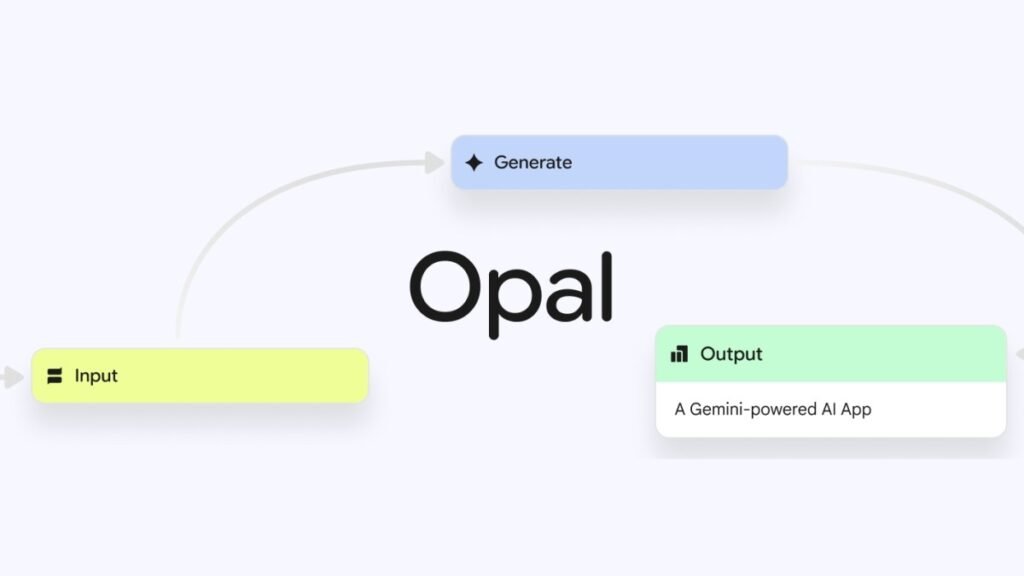
    Opal works by getting users to enter a description of the app they want to make, after which the tool uses different Google models to do so. Once the app is ready, users can open the editor panel to view and customize the visual workflow of inputs, outputs, and generation steps. They can click any step to review or edit the prompt, or add new steps manually using Opal’s toolbar. Users can also publish their app to the web and share a link so others can test it with their own Google accounts.

    In addition to the expansion, Google also announced improvements coming to Opal.

    The tech giant says it has improved the debugging program but intentionally kept it no-code. Users can now run their workflow step by step in the visual editor or tweak specific steps in the console. Errors show up right where they happen to provide immediate context and eliminate guesswork.

    Google also says that it’s made significant improvements to Opal’s core performance. The company notes that previously it would take up to five seconds or more to create a new Opal. Now, it’s worked to speed that up to make it easier to get started. Plus, users can now run steps in parallel, allowing complex workflows with multiple steps to execute simultaneously.

    With the U.S. launch of Opal in July, Google joined a growing list of competitors including Canva, Figma, and Replit that are building tools to help nontechnical users design app prototypes without writing any code.

    Google
    Share. Facebook Twitter Pinterest LinkedIn Tumblr Telegram Email Copy Link
    Previous ArticleHouse recess delays Arizona swearing-in, stalling Epstein petition
    Next Article Federal judge blocks Trump's National Guard deployment to Oregon
    Michael Comaous
    • Website

    Michael Comaous is a dedicated professional with a passion for technology, innovation, and creative problem-solving. Over the years, he has built experience across multiple industries, combining strategic thinking with hands-on expertise to deliver meaningful results. Michael is known for his curiosity, attention to detail, and ability to explain complex topics in a clear and approachable way. Whether he’s working on new projects, writing, or collaborating with others, he brings energy and a forward-thinking mindset to everything he does.

    Related Posts

    7 Mins Read

    The First AI-Run Ransomware Attack Just Happened, and It Barely Needed a Human

    8 Mins Read

    Data Centers Are Leaving Earth: Inside Big Tech’s Orbital AI Bet

    6 Mins Read

    Qualcomm’s New Wearable Chip Solves the Easy Problem. The Hard One Is Still Wide Open

    7 Mins Read

    Why States, Not Washington, May Solve the Data Center Water Fight

    6 Mins Read

    AI Chatbots Are Killing Search Clicks. Here Is Who Wins Instead

    7 Mins Read

    The EV Market’s 2026 Reset: Why Prices Crashed After the Tax Credit Died

    Top Posts

    Best Stores for Buying MP3 and Digital Music You Can Keep Forever

    August 2, 202590 Views

    Zip to APK: Convert ZIP Archives Into Installable Android Packages Quickly

    January 16, 202631 Views

    How to Block Twitch Ads with uBlock Origin (2026 Guide)

    June 15, 202626 Views
    Stay In Touch
    • Facebook

    Subscribe to Updates

    Get the latest tech news from FooBar about tech, design and biz.

    Most Popular

    Discord will require a face scan or ID for full access next month

    February 9, 2026770 Views

    Best Stores for Buying MP3 and Digital Music You Can Keep Forever

    August 2, 2025768 Views

    Trade in your old phone and get up to $1,100 off a new iPhone 17 at AT&T – here’s how

    September 10, 2025374 Views
    Our Picks

    The First AI-Run Ransomware Attack Just Happened, and It Barely Needed a Human

    July 11, 2026

    Best Low-End Android Games for 2GB/3GB RAM (That Actually Run Well)

    July 11, 2026

    Data Centers Are Leaving Earth: Inside Big Tech’s Orbital AI Bet

    July 10, 2026

    Subscribe to Updates

    Get the latest creative news from FooBar about art, design and business.

    Facebook
    • About Us
    • Contact us
    • Privacy Policy
    • Disclaimer
    • Terms and Conditions
    © 2026 GeekBlog

    Type above and press Enter to search. Press Esc to cancel.