

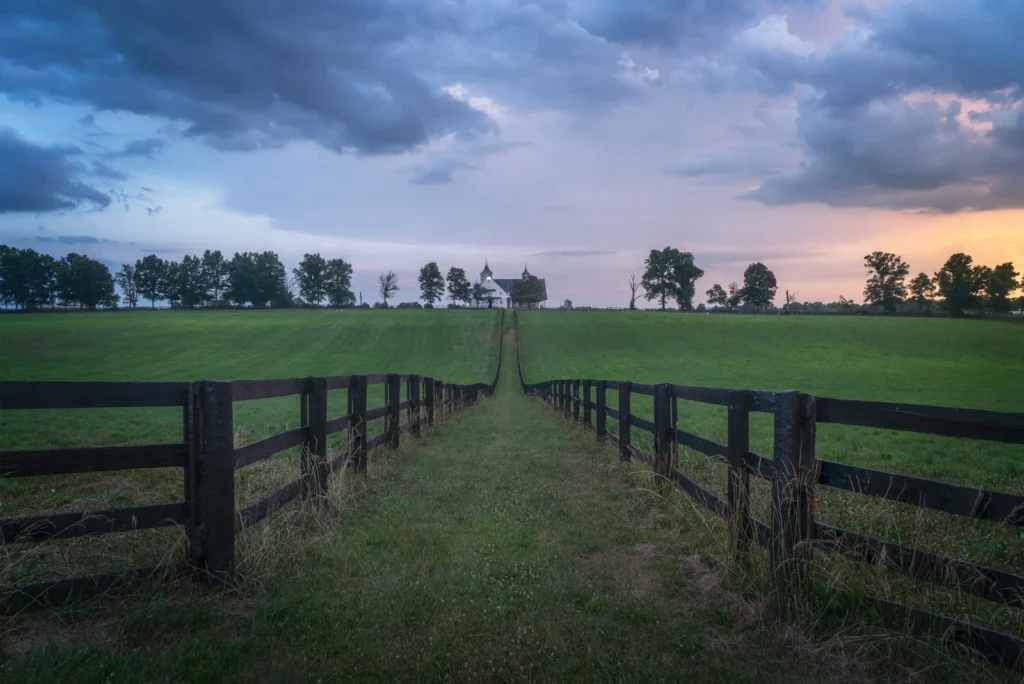
In March 2026, a farm family in northern Kentucky made national headlines for saying no to $26 million. Ida Huddleston and her daughter Delsia Bare told local television reporters they had turned down an offer to sell roughly 900 acres of their land near Maysville for a data center campus. Since then the project has moved forward without them, and the fight has moved to the zoning board and the courts. Here is what was reported, what has happened since and what any landowner approached by a data center developer should know.
What was reported about the offer
According to local news reports from March 2026, the family has farmed the land outside Maysville for generations and raises cattle there. Bare said the approach came in the spring of 2025. The buyer was never publicly identified. Reports described it only as a Fortune 100 company, and Maysville City Manager Matt Wallingford said the company’s name was confidential.
The family said their concerns were water, the strain on the power grid and the permanent loss of farmland. Both women said they intended to keep opposing the project. It is not clear from public reporting whether any part of the Huddleston land ended up inside the rezoned area.
City officials laid out the other side. Wallingford said the project would bring more than 1,000 construction jobs over eight to ten years and more than 100 full time positions averaging about $100,000 a year. He also said the data center would use a closed loop water system and that the developer would be required to fund new power generation rather than passing the cost to local ratepayers.
What has happened since
The $26 million refusal becomes national news. A residents group, We Are Mason County, KY, files suit against the county and its planning commission.
The Mason County Fiscal Court gives final approval to rezone 28 properties, about 2,080 acres, for rural industrial use.
Officials and landowners are still bound by nondisclosure agreements. The end user is described as a US based Fortune 50 technology company.
Reports say the owners of a local mobile home park have agreed to sell, leaving residents unsure when they will have to move while the lawsuit plays out.
Plans presented for the campus describe six large data center buildings and a power demand reported at about 2.2 gigawatts. Supporters, including a spokesperson for East Kentucky Power Cooperative, which runs the nearby Spurlock power plant, point to jobs and a bigger local tax base for schools and roads. Opponents object to the secrecy around the developer, the conversion of farmland and the lack of a written community benefits agreement. The company itself still has the final say on whether it builds.
Why this keeps happening across the US
The Mason County story is one example of a much wider pattern. The rush to build AI infrastructure has developers hunting for large, flat parcels close to high voltage transmission lines, power plants and water. Farmland in rural counties often checks every box, and land prices offered for it can be many times what the property would fetch as farmland.
That pattern produces the same friction again and again:
- Secrecy: developers commonly negotiate through local economic development agencies and nondisclosure agreements, so neighbors often learn about a project only when a rezoning request appears.
- Power and water: residents worry that huge new loads will raise electricity bills or strain water supplies, while officials promise the developer will pay for the new infrastructure.
- Local pushback: some communities are slowing things down. Oldham County, also in Kentucky, adopted a 150 day moratorium on data center projects in July 2025.
- Holdouts: the Huddlestons are not alone. Another Mason County family publicly turned down an offer of $35,000 per acre in 2025.
What landowners should know before signing
If a broker or an unnamed company calls with a large offer for your land, slow down. These steps protect you whether you sell or not.
- Hire your own real estate attorney. Not the buyer’s, and not the county’s. Have them read every option agreement, purchase contract and nondisclosure agreement before you sign anything.
- Get an independent appraisal. An offer that sounds enormous may or may not reflect what industrial zoned land near a power plant is worth to a developer.
- Understand option agreements. Many deals start as paid options that tie up your land for months or years while the buyer decides. Know what you can and cannot do with the property during that time.
- Talk to a tax professional. A large land sale can carry significant capital gains tax, and the structure of the deal affects what you keep.
- Follow the zoning process. Rezoning hearings are public. Attend, ask questions and read the comprehensive plan, because a neighbor’s sale can change what happens next to your land even if you never sell.
FAQ
Which company made the $26 million offer?
It has not been publicly named. Local officials have described it only as a large US technology company and have signed nondisclosure agreements.
Is the Mason County data center going to be built?
The land has been rezoned, but the developer has not publicly committed, and a lawsuit challenging the zoning was still pending as of August 2026.
Can a data center developer force a farmer to sell?
Private developers generally have to negotiate purchases, which is why holdouts like the Huddlestons can say no. Rules on utility easements and public projects are different, so a local attorney is the right person to ask.
The verdict
The Huddleston family’s refusal did not stop the Mason County project, but it put a face on a question many rural communities now face: what is farmland worth when AI companies need power, water and space? The answer is being settled county by county, in zoning hearings and courtrooms. Anyone who gets a similar call should take the time to get independent advice before signing.
Updated October 2026: rewritten as an explainer covering the reported $26 million offer, the May 2026 rezoning, the pending lawsuit and practical advice for landowners.
Featured photo: Intricate Explorer on Unsplash.
About this article: GeekBlog covers U.S. technology news, AI, phones, smartwatches and gaming. Every story is written and checked under our Editorial Policy. Spotted a mistake or have a story tip? Contact our editors.
