

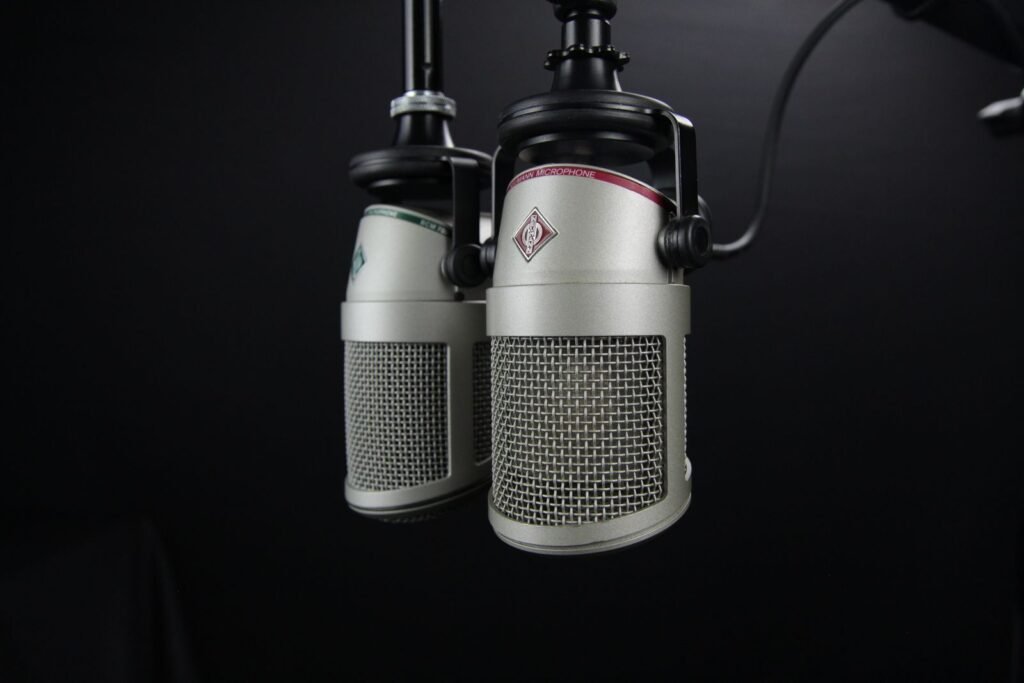
Joe Rogan has signed again with Spotify. The Wall Street Journal, citing people familiar with the matter, puts the new multiyear agreement at an estimated earnout of around $250 million.
That is a very large number, and it is also the least surprising thing about this deal. The Joe Rogan Experience averages something in the region of 11 million listeners per episode and has been the most listened-to podcast in the United States since 2019. Nobody is shocked that it commands nine figures.
The surprising part is what Spotify is buying. In 2020 it paid to take the show away from everyone else. In 2026 it is paying roughly the same kind of money to leave the show exactly where it is, on YouTube, on Apple Podcasts, on Amazon Music, available to anyone who wants it without opening Spotify at all.
What was announced, and what was not
- Confirmed by Spotify: a renewed multiyear partnership covering licensing and advertising sales for the show
- Not confirmed by Spotify: the money, the end date, and the advertising terms. All of it
- Reported: an estimated earnout near $250 million over the term, per the Wall Street Journal’s sources
- Still non-exclusive: exclusivity ended in 2024 and the new deal keeps it that way
- Rogan’s line: “The partnership with Spotify has been an amazing fit, and they’re incredible to work with”
How the deal changed shape
It is worth laying the three agreements side by side, because the trajectory tells you more than any single one of them.
Read left to right, that is a company abandoning the strategy it spent a fortune establishing, then paying more to do so.
Why pay that much for something you cannot lock up
The 2020 logic was simple and borrowed from television. Buy the hit, make it exclusive, and people will subscribe to get it. Spotify spent heavily across podcasting on that theory.
It did not work well enough. Exclusivity caps your audience at the people willing to switch apps, and a show is worth more when everyone can hear it. Spotify shut down or folded in much of its podcast operation in the years that followed.
What replaced it is less glamorous and probably smarter. Spotify now sells the advertising. That is the core of this arrangement: Spotify handles ad sales and licensing for a show distributed across multiple services. It does not need you to listen on Spotify. It needs to be the company that brokers the advertising on the biggest podcast in the country, wherever it is consumed.
That turns Rogan from a subscription lure into inventory, and inventory scales in a way exclusivity never did.
| The 2020 bet | The 2026 bet | |
|---|---|---|
| What Spotify bought | Sole access to the show | The right to sell its advertising |
| Where you can listen | Spotify only | Spotify, YouTube, Apple Podcasts, Amazon Music |
| How it pays off | New Premium subscribers | Ad revenue across the whole audience |
| Who it competes with | Apple and Amazon for subscribers | YouTube and the ad market for budgets |
| Risk if it fails | You paid to shrink the audience | You paid for ad inventory that underdelivers |
The video story underneath
This deal does not exist on its own. Spotify has spent 2026 rebuilding podcast economics around video, and the Rogan renewal is the headline act on a much larger stage.
The company says video podcast consumption on its platform has risen 140% since the feature launched in 2022, and that total monthly payouts to shows are up by a third since January. It has been loosening the entry requirements for its Partner Program, which lets creators earn from Premium and advertising revenue, and expanding it into more than 35 new regions including Italy, Spain, Brazil, Mexico and Poland.
The mechanism is pointed squarely at YouTube. Rather than inserting its own dynamic ads into participating video podcasts, Spotify gives Premium subscribers an uninterrupted viewing experience and pays creators out of Premium revenue instead, while letting them keep everything from sponsorships they sell themselves. Some creators have said publicly that they now earn two to three times more on Spotify than through YouTube monetisation, though that is individual testimony rather than published data.
Set against 300 million Premium subscribers, a quarter of a billion dollars spread over several years stops looking like a vanity purchase and starts looking like a line item.
The word “earnout” is doing some work
Worth slowing down on the $250 million, because of how it was described.
An earnout is not a guaranteed cheque. It is an amount reached if agreed targets are met, which in a podcast deal would mean something like listening figures or advertising revenue. The reporting describes an estimated earnout over the term, which is a different thing from a lump sum, and Spotify has published no figure at all.
What is actually confirmed. Spotify has said there is a renewed multiyear partnership covering licensing and advertising sales. It has not published the value, the length, or the advertising arrangements. Every figure in the coverage, the $250 million included, traces back to anonymous sources. The deal is real. The price tag is reported.
The part Spotify would rather not discuss
No account of this relationship is complete without the friction in it, and Rogan himself keeps putting it on the record.
On a recent episode he claimed that multiple US presidents, serving and former, had contacted Spotify to try to get his show removed, and that organised campaigns had gone after his sponsors. He named nobody and offered no documentation, saying he could not talk about the details. He joined Spotify in September 2020, so the window he describes spans two administrations.
He also credited his survival partly to Spotify not being an American company, and partly to scale, noting that being number one in around 90 countries was more defensible than being number 90 in one.
Those claims are unverified and we are reporting them as claims. Their relevance here is commercial rather than political: Spotify has repeatedly chosen to absorb controversy rather than drop the show, and it has now done so a third time with money attached. Advertising money is usually the most risk-averse money there is, and Spotify is betting it can sell against this audience anyway.
What it means for everyone else making podcasts
The useful signal for smaller creators is not the sum. It is the structure.
The biggest podcast in the world just re-signed a deal that explicitly does not require it to be anywhere in particular. Platform exclusivity, the thing every streaming service chased for a decade, turned out to be worth less than access to the full audience. That logic flows downhill: being everywhere and monetising through advertising and revenue share is now the model the market’s largest deal is built on.
Spotify’s expanding Partner Program is the retail version of the same idea. It is also a reminder of how much of the creator economy now depends on platforms deciding what a view is worth, something we have seen play out in less comfortable ways, including campaigns quietly paying YouTubers to make videos on particular subjects, where the money is real and the disclosure is not always.
And if the practical upshot for you is simply that you would rather listen without interruptions, the economics above are exactly why that costs what it costs. We went through every free and paid way to listen without ads in 2026, and the trade-offs are clearer once you know who is being paid out of what.
The bottom line
Spotify has re-signed the most valuable show in podcasting without asking for exclusivity, and reportedly paid more than it did when it had exclusivity. That is not a contradiction. It is an admission that the 2020 strategy was wrong and the correction is working.
Rogan gets to stay everywhere and get paid like he is somewhere. Spotify gets the advertising on an audience far larger than its own app. Whether a quarter of a billion dollars is the right price depends on numbers neither party has published and probably never will.
What is no longer in doubt is the direction. The era of paying to hide a podcast is over, and the biggest cheque in the business is now written for the right to sell ads against one that anybody can hear. If you are looking for the shows that might be worth that kind of money next, our roundup of the best podcasts of 2026 across true crime, culture, science and fiction is a decent place to start.
Sources and further reading
- UNILAD Tech: Joe Rogan signs massive new nine-figure deal with Spotify
- Variety: Joe Rogan renews nine-figure Spotify deal
- The Hollywood Reporter on the multiyear partnership
- PPC Land on what Spotify did and did not disclose
- MediaPost on the advertising sales side of the agreement
- TechCrunch on Spotify expanding its podcast Partner Program
- TheWrap on video podcast growth and creator payouts
About this article: GeekBlog covers U.S. technology news, AI, phones, smartwatches and gaming. Every story is written and checked under our Editorial Policy. Spotted a mistake or have a story tip? Contact our editors.
