Close Menu
GeekBlog

    Subscribe to Updates

    Get the latest creative news from FooBar about art, design and business.

    What's Hot

    CTO Confidence in Scaling AI Falls for a Third Straight Year

    July 16, 2026

    The iPhone 18 Pro Just Leaked Through a Breach at One of Apple’s Own Suppliers

    July 16, 2026

    AI’s Biggest Productivity Gains Are Still Ahead, and Small Businesses May Get There First

    July 15, 2026
    Facebook X (Twitter) Instagram Threads
    GeekBlog
    • Home
    • Mobile
    • Tech News
    • Blog
    • How-To Guides
    • AI & Software
    Facebook
    GeekBlog
    Home»Uncategorized»iPhone Air vs iPhone 17 Pro: Which Should You Buy?
    Uncategorized

    iPhone Air vs iPhone 17 Pro: Which Should You Buy?

    Ethan CaldwellBy Ethan CaldwellJune 15, 2026Updated:July 8, 202610 Mins Read
    Share Facebook Twitter Pinterest LinkedIn Tumblr Email Copy Link
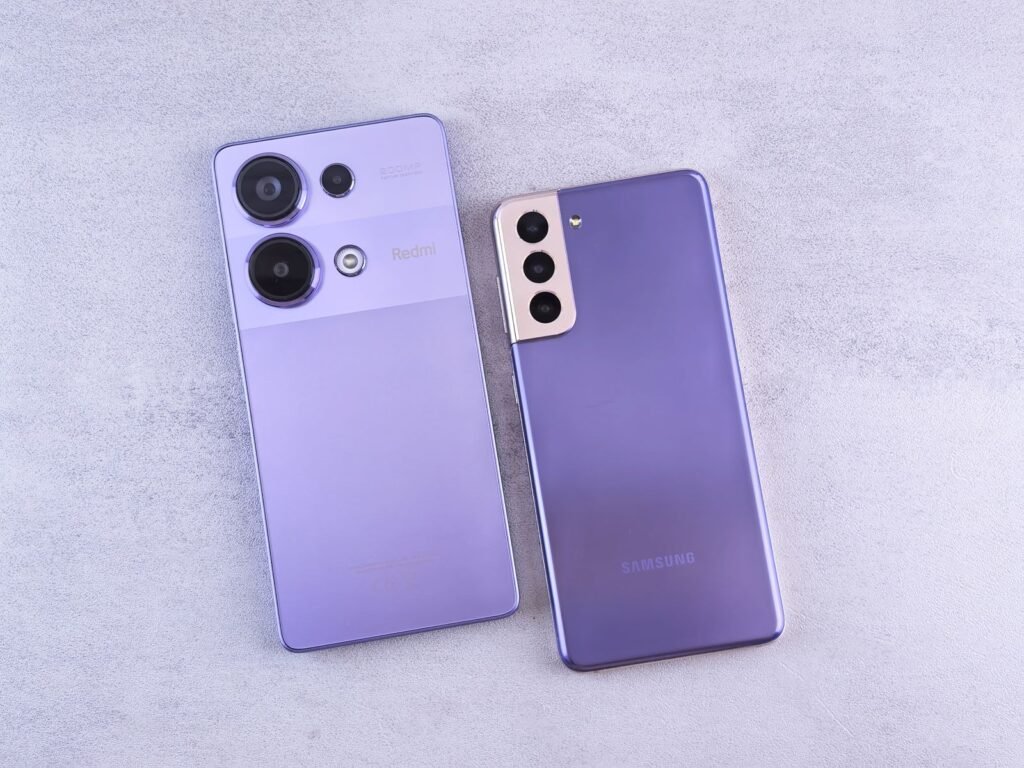
    Two smartphones side by side for comparison
    Share
    Facebook Twitter LinkedIn Pinterest Email Copy Link

    This is one of the more interesting iPhone decisions in years, because the two phones aren’t really competing on a spec sheet — they’re competing on philosophy. The iPhone Air is about how a phone feels in your hand. The iPhone 17 Pro is about what it can do. One is the thinnest iPhone Apple has ever built; the other is the most capable. Here’s how to figure out which one is right for you, backed by the real 2026 specs and how they actually play out in daily use.

    Quick Answer

    Buy the iPhone 17 Pro ($1,099) if you want the best battery, a full triple-camera system with 8x optical-quality zoom, and sustained performance for gaming or video — it’s the do-everything phone. Buy the iPhone Air ($999) if you’re a light-to-moderate user who wants the thinnest, lightest iPhone ever made (5.6mm, ~165g) and will happily trade some battery and camera range for a phone that feels incredible to hold.

    Key Takeaways

    • The iPhone Air is about 5.6mm thick and roughly 165g — the thinnest, lightest iPhone Apple has ever shipped. The 17 Pro is around 8.75mm and 206g.
    • Both run the A19 Pro chip, so everyday speed feels identical. The Pro pulls ahead only under sustained heavy load thanks to its vapor-chamber cooling.
    • Battery is the Air’s biggest compromise: Apple rates it at ~27 hours of video vs ~33 hours on the Pro, and real-world browsing tests show roughly 12 hours vs 15 hours.
    • The Pro carries a triple 48MP camera with up to 8x optical-quality zoom; the Air uses a single 48MP rear camera.
    • The price gap is only $100 — so this is a choice about what you want, not what you can afford.

    The quick verdict

    • Buy the iPhone Air if you want the thinnest, lightest, most pocketable iPhone and you’re a light-to-moderate user who values design over raw capability.
    • Buy the iPhone 17 Pro if you want the best battery life, the most complete camera system, and the most sustained performance — and you don’t mind extra thickness and weight.

    iPhone Air vs iPhone 17 Pro: spec comparison

    FeatureiPhone AiriPhone 17 Pro
    Starting price$999 (256GB)$1,099 (256GB)
    ChipA19 ProA19 Pro (vapor-chamber cooling)
    Rear cameraSingle 48MPTriple 48MP, up to 8x optical-quality zoom
    Battery (video playback)Up to ~27 hrsUp to ~33 hrs
    Thickness~5.6mm (0.22 in)~8.75mm (0.34 in)
    Weight~165g (titanium)~206g (aluminum)
    DisplayOLED, 460 ppi, ProMotion 120HzOLED, 460 ppi, ProMotion 120Hz
    Best forThinness, comfort, everyday useBattery, cameras, heavy/pro use

    Specs reflect published Apple figures and independent testing; battery hours are Apple’s video-playback ratings and can vary in real-world use.

    Design: thin-and-light vs do-everything

    This is the headline difference. The iPhone Air is just about 5.6mm (0.22 inches) thick — the thinnest iPhone Apple has ever made, thinner even than the famously slim iPhone 6. The iPhone 17 Pro measures roughly 8.75mm (0.34 inches), making the Pro somewhere in the region of 55% thicker. In the hand, that gap is dramatic; the Air genuinely feels like a different category of device.

    Weight tells the same story. The Air comes in around 165 grams in a titanium frame, while the 17 Pro is closer to 206 grams in an aluminum chassis. That’s roughly a 40-gram difference — enough that after a day of one-handed scrolling, the Air simply fatigues your hand less. Titanium also gives the Air a premium, dense-but-light feel that’s hard to describe until you hold it.

    But thinness has a cost, and that cost is mostly battery (more on that below) and camera hardware. The Pro’s extra thickness is exactly what makes room for its bigger battery, its multi-lens camera bump, and the vapor chamber that keeps it cool under load. In other words, the two phones’ philosophies are literally built into their dimensions.

    Display

    The two are closer than you’d expect here. Both use bright OLED panels that land at the same 460 ppi pixel density, so sharpness is effectively identical, and both now include ProMotion with an adaptive refresh rate up to 120Hz plus an always-on display. Brightness is matched too: around 1,000 nits typical, 1,600 nits peak for HDR, and up to 3,000 nits outdoors on both. You’re not sacrificing screen quality by going with the Air — if anything, its larger, flatter canvas is lovely for reading and video. The Pro’s advantages live elsewhere.

    Battery life: the Pro’s biggest win

    This is where the Air’s thinness shows its trade-off most clearly. Apple rates the iPhone 17 Pro at up to ~33 hours of video playback, versus about 27 hours for the iPhone Air. That six-hour gap sounds modest, but it widens in the real world: in independent browsing tests that cycle web pages until the battery dies, the Pro has come in around 15 hours while the Air lands closer to 12 hours.

    In practice, that makes the 17 Pro a true all-day (and for casual users, sometimes nearly two-day) phone, while the Air is a reliable one-day phone that you’ll want to charge every night. If you’re a heavy user who regularly ends the day on fumes, the Pro’s battery alone may settle the decision. Apple does sell a dedicated MagSafe Battery accessory for the Air that pushes video playback up toward 40 hours — but it adds bulk, which somewhat undercuts the whole reason to buy an Air in the first place. Either way, once you’ve picked, it’s worth reading our iPhone 17 Pro charging guide to squeeze the fastest top-ups out of whichever model you choose.

    Cameras compared

    The camera is the clearest capability gap between these two phones. The iPhone 17 Pro carries Apple’s full triple 48MP Pro Fusion camera system — main, ultra-wide, and a redesigned telephoto with up to 8x optical-quality zoom (roughly a 200mm equivalent) and a much larger sensor than previous generations. That gives you a genuinely flexible focal range, better low-light reach, and the pro-grade video features creators care about.

    The iPhone Air, by contrast, leans on a streamlined single 48MP rear camera that fits its ultra-thin body. It’s a very good everyday shooter — sharp, reliable, great for social posts and family photos — but it can’t match the Pro’s optical zoom range or its multi-lens versatility. If you shoot a lot of distant subjects, concerts, sports, or serious video, the Pro is the obvious pick. If your camera use is mostly quick snaps and the occasional portrait, the Air’s single lens will not disappoint you.

    Performance

    Both phones run Apple’s latest A19 Pro-class silicon, so day-to-day they feel equally fast — apps launch instantly, and neither will feel slow for years. The difference shows up only under sustained load, like long gaming sessions or heavy video export, where the Pro’s thicker chassis and vapor-chamber thermal design let it hold peak performance longer without throttling. Apple quotes meaningfully better sustained performance on the Pro for exactly this reason. For most people, though, both are overkill in the best possible way.

    Price

    The iPhone Air starts at $999 (256GB), and the iPhone 17 Pro starts at $1,099 for the same storage. That’s only a $100 gap — which actually makes the decision less about money and more about what you want from the phone. You’re not "saving big" by choosing the Air; you’re choosing a different experience. For the extra hundred dollars, the Pro objectively hands you more battery, more camera, and more thermal headroom.

    Who each phone is really for

    Think about it as head versus heart:

    • The iPhone 17 Pro is the "head" choice. More battery, better cameras, stronger sustained performance — the most capable phone, full stop. For $100 more than the Air, it’s the value pick if you use your phone hard, shoot a lot, or want the longest battery.
    • The iPhone Air is the "heart" choice. It’s the one you’ll keep picking up because it feels incredible. If you’re a lighter user who prizes design, thinness, and comfort, the trade-offs in battery and camera may be well worth it.

    Put simply: buy the Pro if the phone is a tool you lean on all day, and buy the Air if the phone is an object you want to love holding. If you’re upgrading and want to offset the cost either way, it’s worth checking what your current handset is worth first — our AT&T iPhone trade-in values guide shows how much credit you can expect.

    So which one should you buy?

    For most buyers who want one phone to do everything, the iPhone 17 Pro is the safer recommendation — it wins on the two things people complain about most (battery and cameras) for only $100 more. But the iPhone Air is a genuinely tempting alternative for the right person: the light user, the design lover, the one-handed scroller who’d rather carry something that disappears in a pocket. And that’s exactly what makes this matchup fun.

    The Bottom Line

    The iPhone 17 Pro is the smarter all-rounder — better battery, a full triple-camera system, and more sustained power for just $100 more. Get it if you use your phone hard. But if you’re a lighter user who wants the thinnest, lightest, most comfortable iPhone ever made, the iPhone Air is a joy worth its compromises. Head says Pro; heart says Air.

    Frequently Asked Questions

    Is the iPhone Air worth it over the 17 Pro?

    If you value thinness and light weight above battery and camera, yes. The Air is dramatically slimmer and lighter, and its single 48MP camera and one-day battery are plenty for many users. But if you’re a heavy user or a photographer, the Pro is the better buy for only $100 more.

    Does the iPhone Air have worse battery life?

    Yes. Apple rates the Air at up to about 27 hours of video playback versus roughly 33 hours on the 17 Pro, and independent browsing tests show a similar gap (around 12 vs 15 hours). Heavy users will notice it; light users often won’t.

    How much thinner is the iPhone Air?

    The Air is about 5.6mm thick versus roughly 8.75mm for the 17 Pro — making the Pro somewhere around 55% thicker. The Air is also lighter, at about 165g versus 206g.

    Is the camera much better on the iPhone 17 Pro?

    For zoom and versatility, yes. The Pro has a triple 48MP system with up to 8x optical-quality zoom, while the Air has a single 48MP lens. For everyday photos they’re both excellent; the Pro pulls ahead on distant subjects, low light, and pro video.

    Is the screen better on the Pro?

    They’re effectively equal: both have OLED panels at 460 ppi, ProMotion up to 120Hz, always-on display, and matching brightness. You’re not giving up screen quality with the Air.

    Which iPhone should a heavy user buy?

    The iPhone 17 Pro. Its larger battery, better thermal design for sustained performance, and full camera system make it the better fit for anyone who games, shoots a lot, or pushes their phone all day.


    Upgrading from an older model? See how much your current phone is worth in our AT&T iPhone trade-in values guide. And once you’ve chosen, get the fastest top-ups with our iPhone 17 Pro charging guide.

    Specifications and pricing are accurate as of 2026 based on published comparisons.

    Share. Facebook Twitter Pinterest LinkedIn Tumblr Telegram Email Copy Link
    Previous ArticleuBlock Origin on Brave: Do You Need It? (2026 Setup Guide)
    Next Article iPhone 17 Pro Charging: Charger Type & Speeds Explained
    Ethan Caldwell

      Ethan Caldwell is GeekBlog's resident Apple specialist, covering the entire Apple ecosystem - iPhone, iPad, Mac, Apple Watch, AirPods and the software that ties them together. A longtime iOS user and gadget collector, Ethan tracks Cupertino's every move, breaking down Apple keynotes, A- and M-series chip benchmarks, iOS feature updates and the rumor mill into clear, practical takes that help readers decide whether the latest Apple hardware is worth the upgrade.

      Related Posts

      6 Mins Read

      The iPhone 18 Pro Just Leaked Through a Breach at One of Apple’s Own Suppliers

      6 Mins Read

      Anthropic Is Reportedly Building Its Own AI Chip, and Samsung Wants In

      6 Mins Read

      Samsung Killed Its $2,899 TriFold Phone After Just 3 Months. Here Is Why.

      10 Mins Read

      iPhone 17 Pro Charging: Charger Type & Speeds Explained

      9 Mins Read

      uBlock Origin on Brave: Do You Need It? (2026 Setup Guide)

      9 Mins Read

      How to Block Twitch Ads with uBlock Origin (2026 Guide)

      Top Posts

      Best Stores for Buying MP3 and Digital Music You Can Keep Forever

      August 2, 2025101 Views

      How to Block Twitch Ads with uBlock Origin (2026 Guide)

      June 15, 202640 Views

      Zip to APK: Convert ZIP Archives Into Installable Android Packages Quickly

      January 16, 202624 Views
      Stay In Touch
      • Facebook

      Subscribe to Updates

      Get the latest tech news from FooBar about tech, design and biz.

      Most Popular

      Best Stores for Buying MP3 and Digital Music You Can Keep Forever

      August 2, 2025840 Views

      Discord will require a face scan or ID for full access next month

      February 9, 2026770 Views

      Trade in your old phone and get up to $1,100 off a new iPhone 17 at AT&T – here’s how

      September 10, 2025378 Views
      Our Picks

      CTO Confidence in Scaling AI Falls for a Third Straight Year

      July 16, 2026

      The iPhone 18 Pro Just Leaked Through a Breach at One of Apple’s Own Suppliers

      July 16, 2026

      AI’s Biggest Productivity Gains Are Still Ahead, and Small Businesses May Get There First

      July 15, 2026

      Subscribe to Updates

      Get the latest creative news from FooBar about art, design and business.

      Facebook
      • About Us
      • Contact us
      • Privacy Policy
      • Disclaimer
      • Terms and Conditions
      © 2026 GeekBlog

      Type above and press Enter to search. Press Esc to cancel.