

Spotify and YouTube Music both give you a huge catalog, offline downloads and ad free listening once you pay. The real differences in 2026 come down to sound quality, discovery tools, social features and whether you already live on YouTube. Here is how the two compare right now, so you can pick the one that fits the way you actually listen.
Spotify vs YouTube Music at a glance
| Feature | Spotify Premium | YouTube Music Premium |
|---|---|---|
| Best audio quality | Lossless up to 24 bit / 44.1 kHz | Up to 256 kbps AAC and Opus |
| Individual plan (US) | $12.99 a month | Shown on Google sign up page |
| Other plans | Student $6.99, Duo $18.99, Family $21.99 (up to 6) | Individual, Family and Student; also included in YouTube Premium |
| Music videos | Limited | Switch between song and video with one tap |
| Audiobooks | 15 hours a month included | Not included |
| Social listening | Jam, Blend, shared playlists | Collaborative playlists, fewer social tools |
Price and plans
Spotify raised its US prices in early 2026. Premium Individual now costs $12.99 a month, Student is $6.99 and includes access to Hulu, Duo is $18.99 for two people at the same address, and Family is $21.99 for up to six accounts with parental controls. New subscribers who have never tried Premium usually get a free first month.
YouTube sells music two ways. YouTube Music Premium covers only the music app. YouTube Premium removes ads across all of YouTube and includes YouTube Music Premium at no extra charge. Both come in individual, family and student versions in the US, and family plans require everyone to live at the same address, which YouTube checks every 30 days. Google adjusts these prices from time to time, so check the current figure on the sign up page before you commit. If you already pay for YouTube Premium to skip video ads, YouTube Music is effectively free for you, and that alone settles the question for a lot of people.
Sound quality
This is the clearest technical gap. Spotify added lossless streaming for Premium members in 2025, and it now plays FLAC files at up to 24 bit and 44.1 kHz on supported devices. You turn it on in the audio quality section of the app settings.
YouTube Music tops out at 256 kbps AAC and Opus. Premium members can choose Low, Normal, High or Always High, and the default is Normal at up to 128 kbps, so many people never hear the best version the app can deliver. Set it to High on WiFi and mobile data if you have the data to spare.
Will you hear the difference? With Bluetooth earbuds, probably not much, because Bluetooth compresses the signal anyway. With headphones plugged into a good DAC or a hifi system, lossless is a real perk.
Discovery and smart features
Spotify is built around recommendations. Its AI DJ talks you through a personal mix, daylist changes through the day based on your habits, and editorial and personal playlists cover almost every mood and genre. Blend merges your taste with a friend into one shared playlist, and Jam lets several people add songs to the same listening session in real time.
YouTube Music leans on its connection to YouTube itself. Its recommendations can draw on your YouTube habits, and its catalog includes remixes, covers, live sets and fan uploads you will not find on Spotify. Smart Downloads automatically saves recommended music to your library so you always have something offline.
Everyday listening
Lossless audio, audiobooks, podcasts in one place, social features and support on over 2,000 devices.
Music videos, rare live recordings and covers, plus ad free YouTube if you take the full Premium plan.
Offline downloads, background play, unlimited skips and both apps run on phones, computers, smart speakers and cars.
Free tiers exist on both, but they are very different. Free Spotify plays ads between songs. Free YouTube Music also has ads and stops playing when you lock your phone or switch apps, because background play is a paid perk.
FAQ
Is Spotify or YouTube Music cheaper?
It depends on what you already pay for. If you subscribe to YouTube Premium, YouTube Music costs you nothing extra. If you only want music, compare Spotify at $12.99 with the current YouTube Music Premium price on Google’s sign up page.
Does YouTube Music have lossless audio?
No. YouTube Music streams at up to 256 kbps. Spotify Premium offers lossless audio at up to 24 bit and 44.1 kHz.
Can I move my playlists from Spotify to YouTube Music?
Yes. Third party transfer tools can copy playlists between the two services. Expect a few songs to fail to match, especially rare versions.
Which one is better for podcasts and audiobooks?
Spotify, because it combines podcasts with 15 hours of audiobook listening each month on Premium. YouTube Music has podcasts but no audiobook allowance.
The verdict
For most people who only want a music app, Spotify is the stronger all rounder in 2026 thanks to lossless audio, better discovery and audiobooks. If you already pay for YouTube Premium or love live performances and music videos, YouTube Music is the smarter choice and costs you nothing extra.
Updated October 2026: rewritten with current Spotify US pricing, lossless audio details and YouTube Music quality settings.
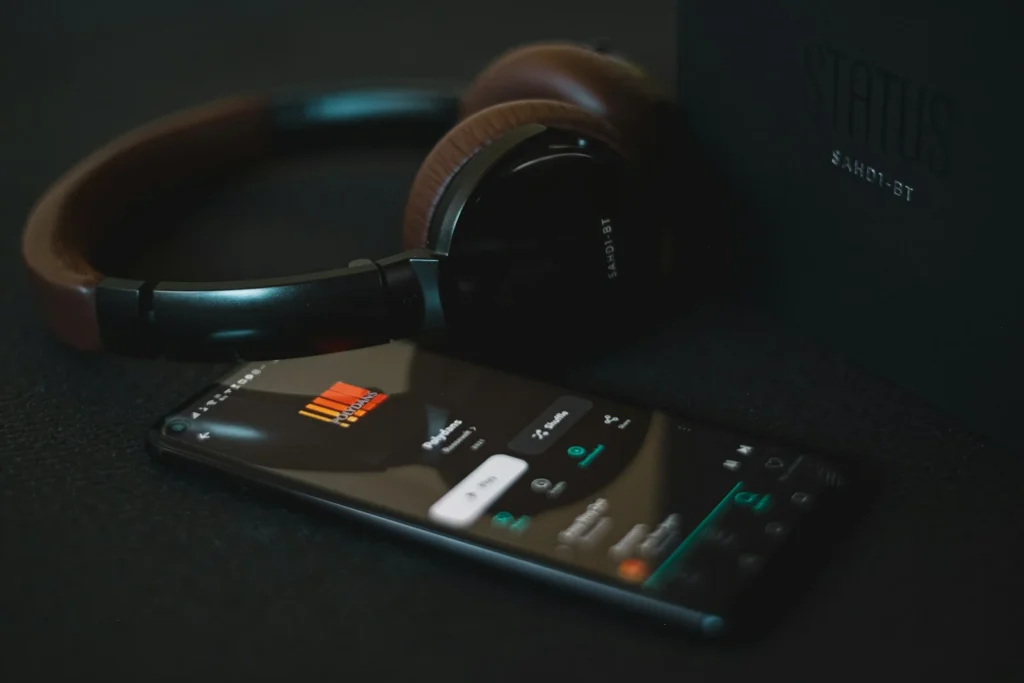
Featured photo: Viktor Forgacs on Unsplash.
About this article: GeekBlog covers U.S. technology news, AI, phones, smartwatches and gaming. Every story is written and checked under our Editorial Policy. Spotted a mistake or have a story tip? Contact our editors.
