

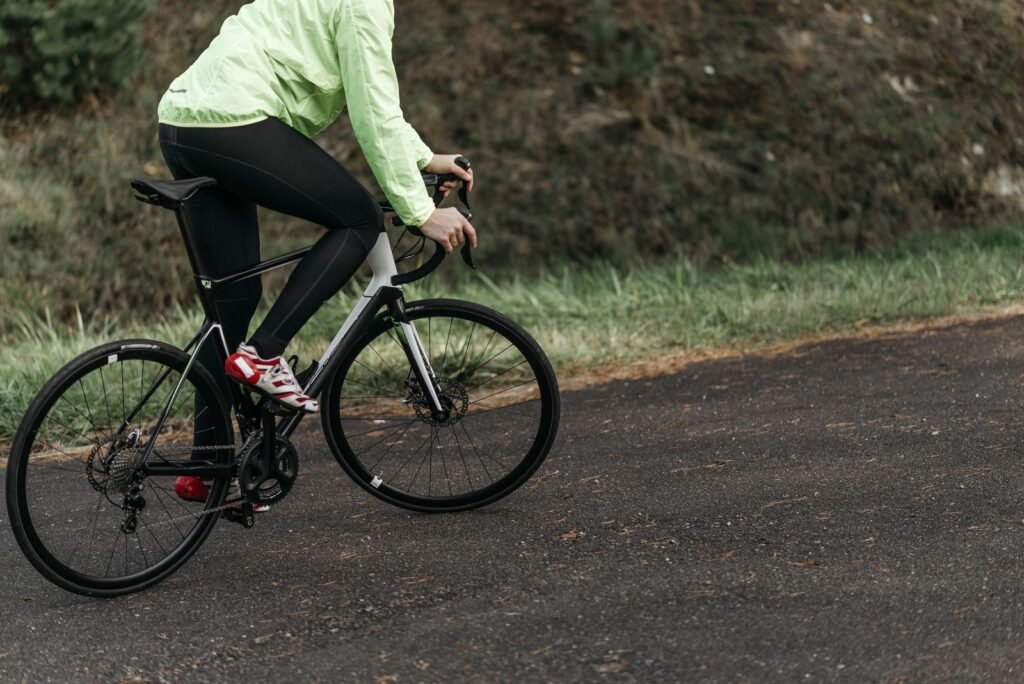
Most “best smartwatch” roundups treat cycling as an afterthought bolted onto a running watch review. That is a real gap, because cycling asks for different things from a wrist computer than running does: longer battery runtime for all day rides, real sensor support for power meters and cadence, and a screen you can actually glance at on a bumpy descent without slowing down.
This guide covers wrist worn smartwatches, not dedicated bike computers like the Garmin Edge series. It walks through what actually matters, how five of the best picks for 2026 compare on paper, and which one fits the kind of riding you actually do.
Short Answer
For most cyclists who also train other sports, the Garmin Forerunner 970 is the best overall pick, pairing full power meter and cadence support with built in maps. Riders who want the longest possible range between charges should buy the COROS PACE 3, which lasts more than twice as long on GPS as some rivals for a fraction of the price. iPhone owners get the deepest ecosystem integration from the Apple Watch Ultra 3, budget minded riders who still want serious battery life should look at the Amazfit Balance 2, and anyone who wants a genuinely nice everyday watch that also handles weekend rides should consider the Garmin Venu 4. Whichever you pick, check the GPS battery number, not the smartwatch mode number, before you buy.
What Actually Matters for a Cycling Smartwatch
Spec sheets bury the details that decide whether a watch is actually useful on a bike underneath the ones that just look good in marketing. Here is the short list worth caring about.
- Real GPS battery life, not the marketing number. Manufacturers advertise smartwatch mode battery life in days, but the number that matters for cycling is continuous GPS tracking time, which is a fraction of that.
- Bluetooth is enough; ANT+ is a bonus. Nearly every modern power meter, cadence sensor, and smart trainer broadcasts over Bluetooth Smart now. ANT+ mainly helps if you are pairing several older Garmin branded sensors at once.
- Screen visibility in daylight. A display that looks great indoors can wash out on a bright road descent, which matters more for cycling than it does at the gym.
- Structured workouts and power zones. Riders training with a plan should look for on watch structured workout support and FTP based power zones, not just a raw wattage number.
- Safety features. Incident detection and live tracking matter more on a bike than on a treadmill, since a fall at 25 mph is a different event than a stumble on a gym mat.
Sensor Pairing Decides How Useful the Data Actually Is
A watch can have a beautiful screen and still be nearly useless for structured training if it cannot hold a stable connection to a power meter mid ride. Bluetooth Smart has become the common language across nearly every trainer, power meter, and sensor sold today, which is why all five picks below support it. If you are also comparing running watches for a multisport season, our guide to the best smartwatch for running in 2026 covers how several of these same models, including the Forerunner 970, hold up once the sensor is a running pod instead of a power meter.
Best Smartwatches for Cycling in 2026
| Watch | Best For | GPS Battery Life | Sensor Support | Price |
|---|---|---|---|---|
| Garmin Forerunner 970 | Multisport riders who also run | 26 hrs GPS only, 12 hrs full features | ANT+ and Bluetooth power, cadence, radar | About $649 |
| Apple Watch Ultra 3 | iPhone owners | 20 hrs, GPS plus heart rate, low power mode | Bluetooth power, cadence, speed | About $799 |
| COROS PACE 3 | Best value | 38 hrs | Bluetooth power, cadence, speed, HR straps | About $229 |
| Amazfit Balance 2 | Longest battery on a budget | 33 hrs precision, 67 hrs power saver | Bluetooth sensors via Zepp app | About $299 |
| Garmin Venu 4 | Everyday lifestyle pick | 16 hrs, multiband GPS | ANT+ and Bluetooth sensors | About $499 |
Best Overall: Garmin Forerunner 970
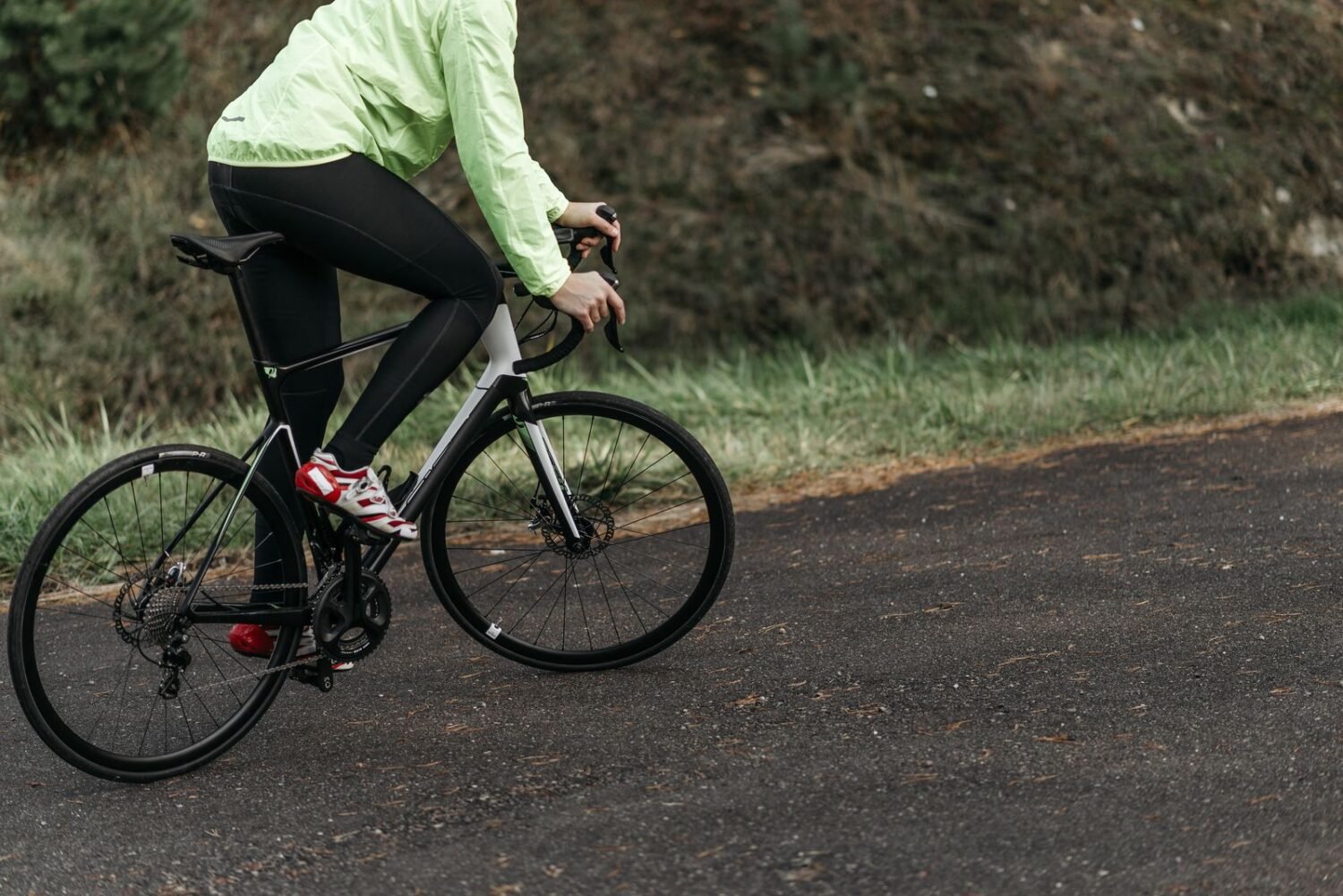
The Forerunner 970 is technically a running watch first, but it has quietly become one of the more capable cycling companions on the market. It pairs with power meters, cadence sensors, and even bike radar units over both ANT+ and Bluetooth, and it ships with built in color maps so you are not riding blind on an unfamiliar route. If you already track training load and split time between running and cycling, this is the watch that unifies both without forcing a compromise. The tradeoff is price, since it sits at the top of this list, and full featured GPS use with music and multiband positioning drops battery life to about 12 hours.
Best for iPhone Users: Apple Watch Ultra 3
Apple closed most of the gap with dedicated sports watches this generation. The Ultra 3 now shows up to six cycling metrics on screen at once, with configurable layouts for power, cadence, speed, and heart rate zones, and it calculates Power Zones automatically once you connect a Bluetooth power meter. The catch is battery life on long rides: 20 hours sounds like plenty until you remember that number assumes Low Power Mode, and a full featured all day ride with always on display drains it faster. Fast charging helps, with 15 minutes on the charger buying roughly 12 hours back.
Best Value: COROS PACE 3
At $229, the PACE 3 undercuts everything else on this list by a wide margin while still delivering 38 hours of continuous GPS tracking, the longest of any watch here. It pairs cleanly with Bluetooth power meters, cadence and speed sensors, and heart rate straps, and riders consistently report it holds a stable connection with third party trainers. It lacks built in maps and a touchscreen as fluid as Apple’s or Garmin’s premium tier, but for the price nothing else here comes close on pure endurance.
Longest Battery on a Budget: Amazfit Balance 2
The Balance 2 splits the difference between the PACE 3’s endurance and the bigger names’ feature sets. It offers offline maps, dual band GPS across six satellite systems, and a battery that stretches to 67 hours in power saving GPS mode if you are willing to trade some accuracy for range. Sensor pairing and data sync run through the Zepp app rather than a dedicated cycling ecosystem, a minor inconvenience if you are used to Garmin Connect, but the hardware punches well above its price.
Best Everyday Lifestyle Pick: Garmin Venu 4
The Venu 4 is not built for ultra distance cycling, and its 16 hour multiband GPS battery life reflects that. What it does well is act as a genuinely nice watch to wear all day that also handles a weekend ride competently, now with the full training load suite and multisport transition support that were missing from the previous generation. If most of your battery drain worries come from tracking sleep and everyday health metrics rather than six hour rides, this tradeoff makes sense. Riders training toward a specific multisport event should also look at our best smartwatch for swimming in 2026 roundup before committing to one watch for every discipline.
Smartwatch vs. Dedicated Bike Computer
A wrist worn smartwatch is not automatically the right tool. Dedicated head units like the Garmin Edge series exist for a reason, and serious road and gravel riders often run both: a smartwatch for daily life and fitness tracking, and a mounted computer for the ride itself.
| Smartwatch | Bike Computer | |
|---|---|---|
| Screen size | Small, harder to read at a glance | Large, built for quick glances at speed |
| Mounting | Worn on the wrist, all day | Mounted on the handlebars, ride only |
| Navigation detail | Basic to good, depends on model | Best in class turn by turn and route planning |
| Everyday usefulness | High: notifications, sleep, health tracking | Low: single purpose device |
| Price range | About $50 to $800 | About $40 to $600 plus |
If your rides rarely exceed 90 minutes and you mostly care about heart rate and calories, a smartwatch alone is plenty. If you are navigating unfamiliar routes at speed or training seriously with a power based plan, a bike computer paired with any of the watches above gives you the best of both.
ANT+ vs Bluetooth for Cycling Sensors, Explained
ANT+ is an older wireless protocol built specifically for fitness sensors, and it was the standard way power meters, cadence sensors, and heart rate straps talked to watches for years. Bluetooth Smart, the same low energy protocol phones use for headphones, has since caught up and become the default on most new sensors because it needs no separate receiver and works with phones and trainers as easily as watches. The practical difference today is small: Bluetooth handles a single sensor connection reliably, while ANT+ remains slightly better at holding several concurrent connections at once without dropouts, which matters more to racers running five sensors simultaneously than to someone pairing a single power meter. Every watch on this list supports Bluetooth, and the pricier Garmin options add ANT+ as a bonus rather than a requirement.
Mistakes That Quietly Wreck Cycling Data
- Pairing a sensor once and never checking it again. A power meter battery dying mid ride without notice can silently zero out an entire session’s wattage data.
- Leaving multiband GPS on for short commutes. The extra satellite bands that keep accuracy high downtown also drain the battery fastest, so save them for rides where accuracy actually matters.
- Ignoring firmware updates. Sensor pairing stability and GPS accuracy both improve through software updates, and skipping them for months leaves real fixes sitting unused.
- Starting a ride before GPS locks. Rolling out before the watch finds a satellite signal produces a wildly inaccurate first few minutes of distance and route data.
- Assuming smartwatch mode battery numbers apply to a long ride. Continuous GPS and sensor pairing during a multi hour ride drains a battery far faster than daily wear does, which is exactly why our roundup of smartwatches with the longest battery life is worth checking before you assume any watch will stretch as far as its box claims.
Frequently Asked Questions
Do I need ANT+, or is Bluetooth enough for a power meter?
Bluetooth is enough for the vast majority of riders. Nearly every power meter, cadence sensor, and smart trainer sold today broadcasts over Bluetooth Smart. ANT+ mainly helps if you are pairing several older Garmin branded sensors simultaneously, since it handles multiple concurrent connections more reliably than Bluetooth did in earlier watch generations.
Can the Apple Watch actually replace a cycling computer?
For rides under a couple of hours, yes. The Apple Watch Ultra 3 supports power meters, cadence and speed sensors, and shows up to six data fields on screen. Battery life is the limiting factor for longer rides, since its cycling optimized low power mode tops out around 20 hours of continuous GPS and heart rate tracking.
Is a running watch good enough for cycling?
Mostly yes, with one caveat: check that the specific model supports a dedicated cycling activity profile and Bluetooth or ANT+ sensor pairing, not just GPS pace tracking. Watches built primarily around running pace sometimes handle power meter data poorly compared to purpose built multisport watches.
What is the single most important spec for a cycling smartwatch?
Real world GPS battery life during continuous outdoor tracking. It varies more than almost any other spec on this list, from 16 hours to 38 hours among the watches above, and it directly determines whether a watch survives your longest planned ride without a mid ride charge.
Bottom Line
There is no single best smartwatch for every cyclist, only the best one for how you actually ride. Multisport athletes training seriously across running and cycling should look at the Garmin Forerunner 970. iPhone owners who want deep integration with their existing devices will get the most out of the Apple Watch Ultra 3, battery limitations aside. Riders who care mostly about value and endurance should buy the COROS PACE 3 and not look back, and anyone who wants a genuinely long lasting budget option should consider the Amazfit Balance 2. If cycling is just one part of a broader active lifestyle, the Garmin Venu 4 covers the basics without asking you to compromise on everyday wearability. Whichever you pick, confirm the GPS battery number, not the smartwatch mode number, before you buy.
Sources and further reading
- Garmin: power meter compatibility guide
- Garmin: Forerunner 965 manual, training with power meters
- Garmin: Forerunner 965 manual, cycling dynamics
About this article: GeekBlog covers U.S. technology news, AI, phones, smartwatches and gaming. Every story is written and checked under our Editorial Policy. Spotted a mistake or have a story tip? Contact our editors.
