

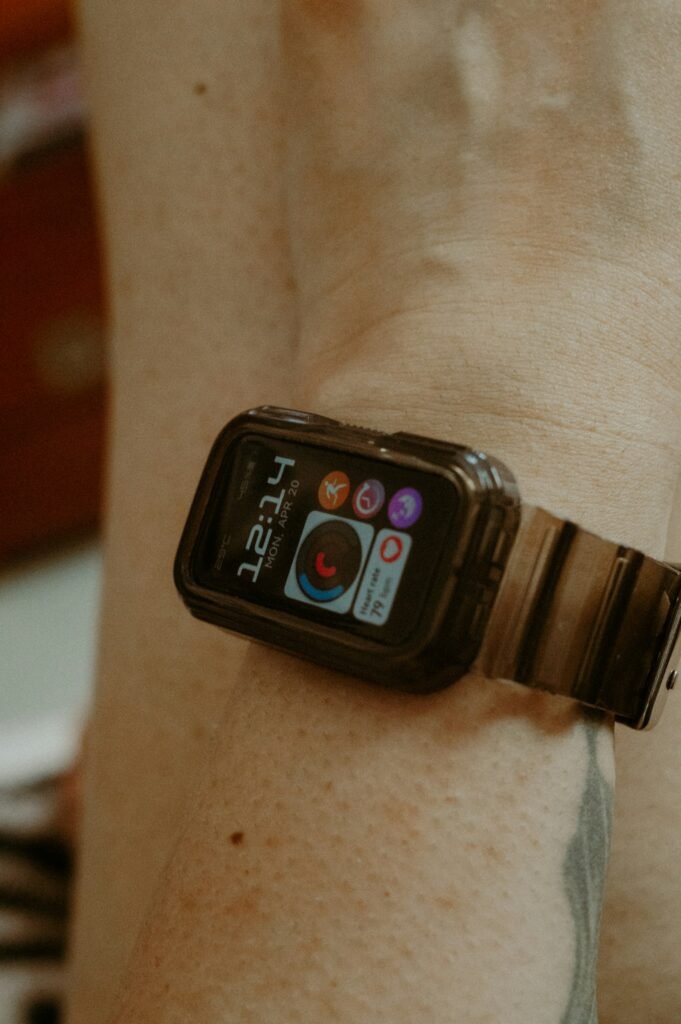
Apple has spent three straight generations more or less leaving the Apple Watch’s internals alone. Series 12 breaks that pattern. Alongside a new chip, Apple rebuilt the health sensor stack from the ground up, and the headline number tells you exactly why: the watch now checks your heart rate every five seconds around the clock, not every five minutes.
That single change reframes the Apple Watch from a fitness gadget that wakes up when you exercise into something closer to the always-on recovery trackers that WHOOP and Oura built their entire businesses around. Here is what actually shipped, how it holds up against the competition, and whether it is enough to make you care about a smartwatch upgrade again.
Short Answer
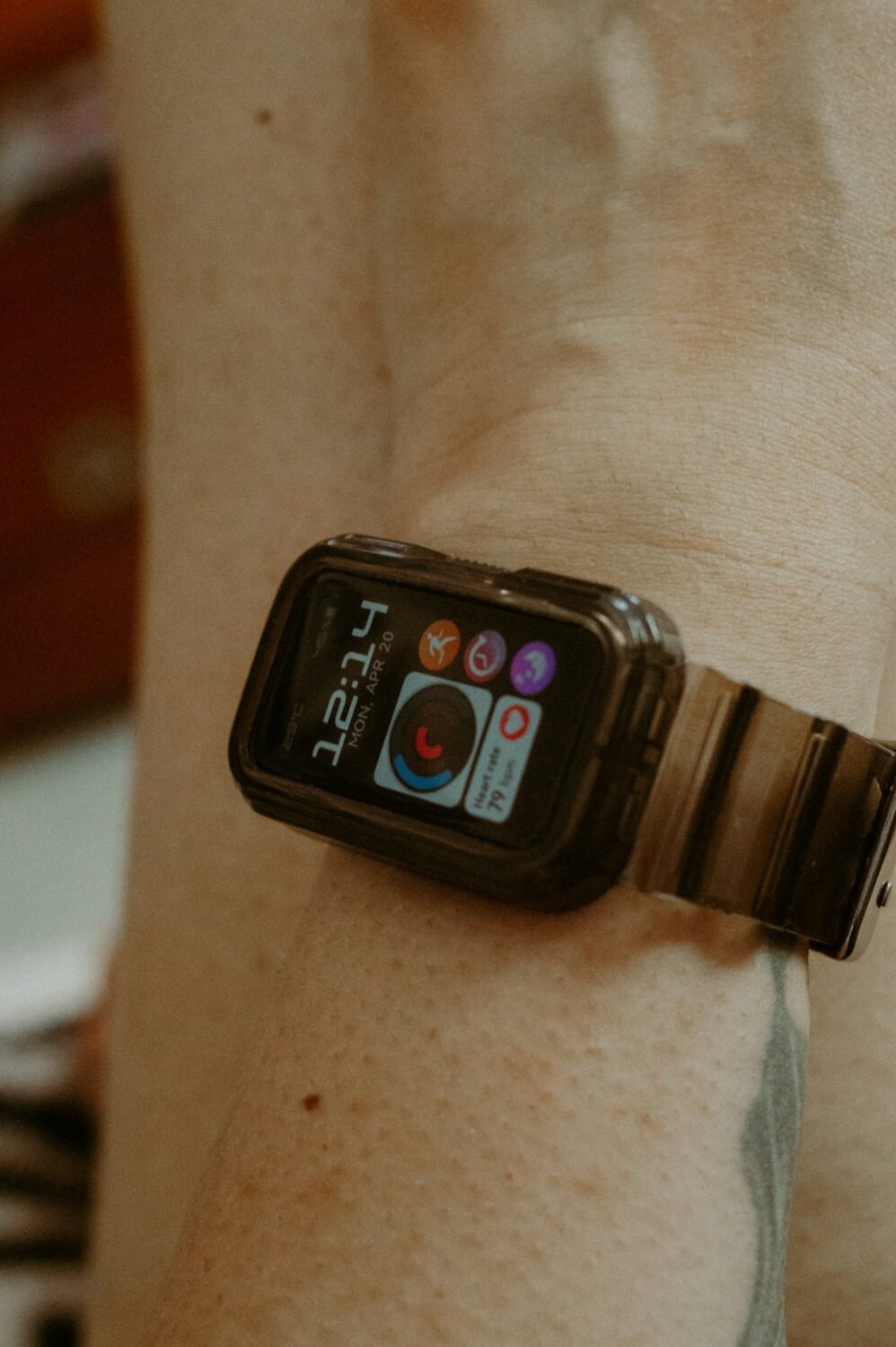
Apple Watch Series 12 keeps the same $399 starting price and case design as Series 11, but adds a new S11 chip, a redesigned Health Sensing System, and continuous heart rate sampling every 5 seconds instead of every 5 minutes. A new Readiness app scores your recovery daily, and Apple published data claiming the watch now beats WHOOP 5 and Oura Ring 5 on heart rate accuracy, though that data has not been independently verified. It went on sale September 18, 2026.
What Apple Actually Announced
Apple unveiled the Series 12 and the Apple Watch Ultra 4 on September 9, 2026, at its “Surprise and Shine” event, the same show that introduced the iPhone 18 Pro line and AirPods 5. Pre-orders opened that day, and both watches reached stores on September 18. Rumors had been circulating since May, and a September 1 report from 9to5Mac correctly predicted three of the headline features a full week before the announcement: a new chip, an always-on heart rate sensor, and a returning ceramic case option.
None of that should be a surprise if you have been following our Series 12 and Ultra 4 launch day coverage, which walked through the pricing and lineup the moment it went live. What is worth dwelling on here is what changed under the hood, because on the outside, almost nothing did. The case shape, size options, and button layout carry over from Series 11 unchanged. This is the third year running Apple has kept the same external design, putting all of its engineering budget into the chip and the sensors instead.
The Health Sensing System, Explained
The new S11 chip is Apple’s most powerful wearable processor yet, and it includes what Apple calls a Secure Exclave, a dedicated area for processing on-device audio that gets wiped immediately after use. That matters because watchOS 27 ships with Siri AI, a far more capable and context-aware assistant that needs local horsepower to feel instant rather than laggy. If you want the full breakdown of how that assistant works and what it needs from your iPhone, we covered it in our piece on Series 12’s audio intelligence features.
The sensor side is the bigger story for anyone who tracks their health. Apple rearranged the photodiodes into a ring for more efficient light capture, enlarged the electrode surface for a more reliable ECG reading, and fitted bigger, more power-efficient green LEDs for heart rate tracking. The practical result is that heart rate now samples every 5 seconds continuously, day and night, instead of every 5 minutes at rest or only during a tracked workout. Heart rate variability, a key recovery metric, gets measured up to 24 times more often than on Series 11, and it is calculated against your own personal baseline rather than a generic average.
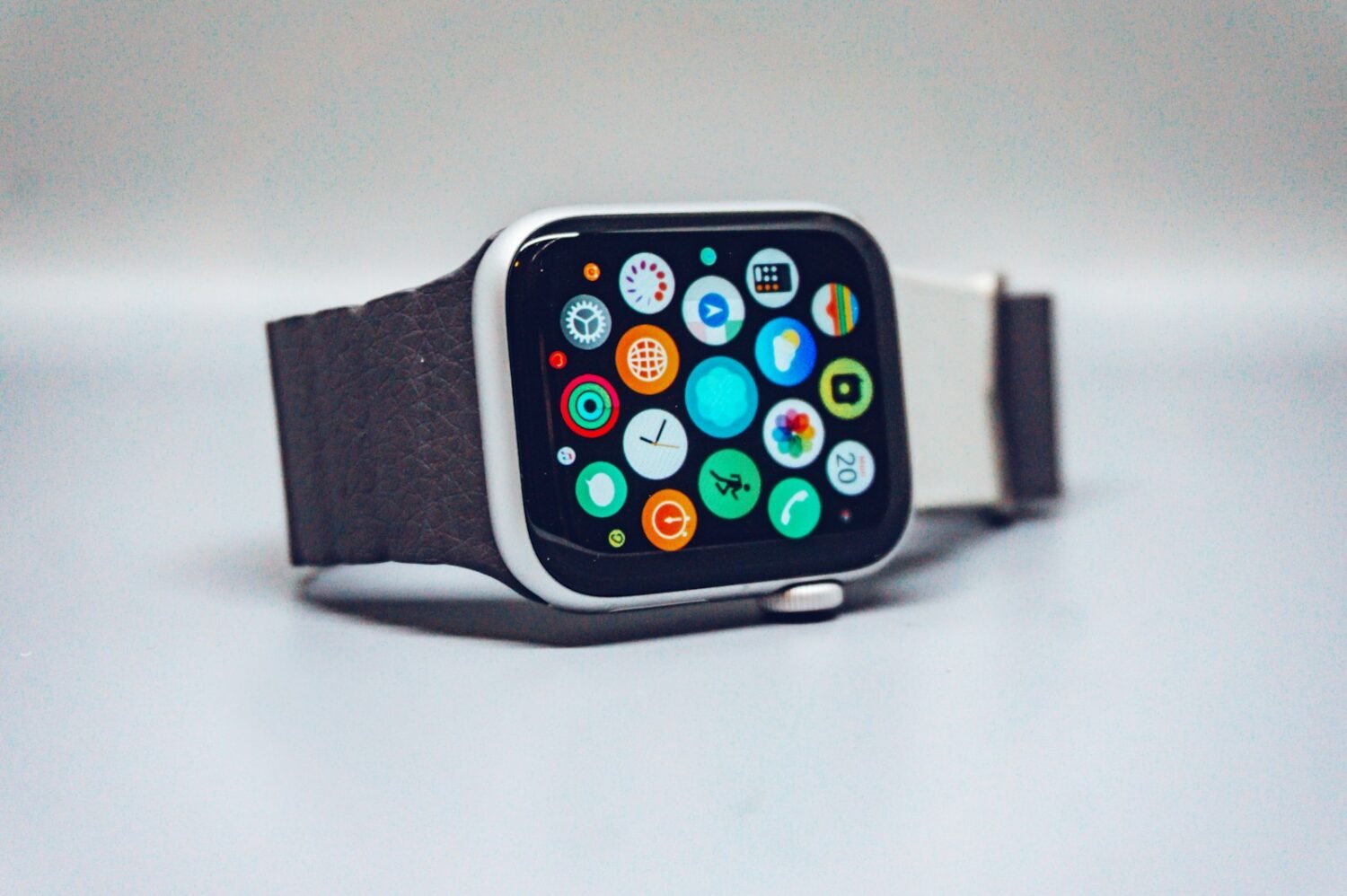
All of that data feeds a new app called Readiness, Apple’s first attempt at a single daily recovery score. It looks at overnight HRV, sleep, and other recovery signals and boils them down to a 1 to 10 number each morning, sitting alongside the existing Vitals app rather than replacing it. The new sensors also unlock three complications that were not possible on any earlier Apple Watch, giving you faster access to that data straight from the watch face.
On the outside, Series 12 also picks up Ceramic Shield on the aluminum models’ display, which Apple says is 60 percent tougher than the Ion-X glass used on Series 11. And for the first time since 2019’s Series 5, ceramic returns as a case material, offered in Pearl White and Night Blue starting at $899. Aluminum and titanium options still start at $399.
How It Stacks Up Against WHOOP and Oura
Apple did not just add always-on tracking quietly. It published a study directly comparing Series 12 and Ultra 4 against WHOOP 5 and Oura Ring 5, using a Polar H10 chest strap as the accuracy reference. The study enrolled 1,460 participants across five sites in California, Texas, and Malaysia, and Apple reported that its watches were statistically significantly more accurate at heart rate tracking than either competitor, across both workouts and everyday activity.
That is a genuinely aggressive claim from a company that has spent years mostly ignoring the recovery-wearable category. Two caveats are worth keeping in mind. First, this is Apple’s own study, and no independent, peer-reviewed research has verified the results yet. Second, accuracy and sampling frequency are not the same thing, and on raw frequency, Apple still is not first.
| Device | Resting HR Sampling | Recovery Score | Independent Validation |
|---|---|---|---|
| Apple Watch Series 12 | Every 5 seconds | Readiness (1 to 10) | Not yet |
| WHOOP 5 | Every 1 to 2 seconds | Recovery (0 to 100%) | Not yet |
| Oura Ring 5 | Roughly every 5 minutes at rest | Readiness (0 to 100) | Not yet |
In other words, WHOOP still samples more often, but Apple is closing a gap that used to be enormous, going from checking your heart rate a few times an hour to checking it every 5 seconds around the clock. For most people who never bought a dedicated recovery wearable in the first place, that jump alone may matter more than which company wins the accuracy argument.
Apple Watch Ultra 4: The Numbers That Matter
Ultra 4 keeps the same 49mm titanium case and $799 starting price as its predecessor, but shares the new S11 chip and health sensors with Series 12. The rest of the spec sheet is aimed squarely at outdoor and endurance athletes.
| Spec | Apple Watch Ultra 4 |
|---|---|
| Display brightness | Up to 3,000 nits |
| Battery, normal use | Up to 50 hours |
| Battery, Low Power Mode | Up to 84 hours |
| Continuous outdoor GPS | Up to 18 hours |
| Water resistance | 100m, dive rated to 40m |
| Weight | 63g |
| Satellite features | Emergency SOS, two way messaging, Find My, free for 2 years |
The Rest of the Smartwatch World Is Chasing the Same Trend
Apple is not the only company betting on always-on health sensing and on-device AI this season. Samsung’s Galaxy Watch 9, reviewed in early September, pairs a new Snapdragon Wear Elite chip with deeper Gemini AI integration and a roughly 20 percent larger battery, though real-world battery life is still landing in the 24 to 30 hour range rather than the multi-day jump many were hoping for. Garmin, meanwhile, pushed fall detection and hands-free “Okay Garmin” voice control to the Venu 4 through a software update, features that used to be reserved for its higher-end models.
The pattern across the industry is clear: every major smartwatch maker is racing to collect more health data more often and hand it back to you as a simple daily number, whether that is Apple’s Readiness score, WHOOP’s Recovery percentage, or Oura’s Readiness score. If you are shopping around rather than staying loyal to one ecosystem, it is worth reading the early hands-on reviews of the Series 12 and Ultra 4 before deciding, since real-world battery life and sensor accuracy often diverge from the marketing numbers.
Frequently Asked Questions
Does Apple Watch Series 12 look different from Series 11?
No. The case size, shape, and button layout are unchanged. The only visible differences are the new finish options, including the returning ceramic case in Pearl White and Night Blue.
Do I need an iPhone 16 or newer to use the new features?
Most core features work with any iPhone compatible with watchOS 27, but some of the deeper Siri AI and on-device audio processing features benefit from newer iPhone hardware. Check our dedicated article on the audio intelligence requirements for the specifics.
Is the heart rate accuracy claim independently verified?
Not yet. Apple’s comparison against WHOOP 5 and Oura Ring 5 comes from Apple’s own study, and no independent, peer-reviewed research has confirmed the results as of this writing.
How much does Apple Watch Series 12 cost?
Aluminum and titanium models start at $399, the same as Series 11. The new ceramic option starts at $899. Apple Watch Ultra 4 starts at $799.
Bottom Line
Series 12 will not turn heads sitting on a store shelf next to Series 11. What changed is invisible until you look at the data it collects: five times more frequent heart rate checks, a real recovery score, and a company that finally seems willing to compete directly with WHOOP and Oura instead of ignoring that market. Whether that is worth upgrading for depends entirely on whether you actually look at your health data day to day, or just want a watch that tells the time and takes calls.
