

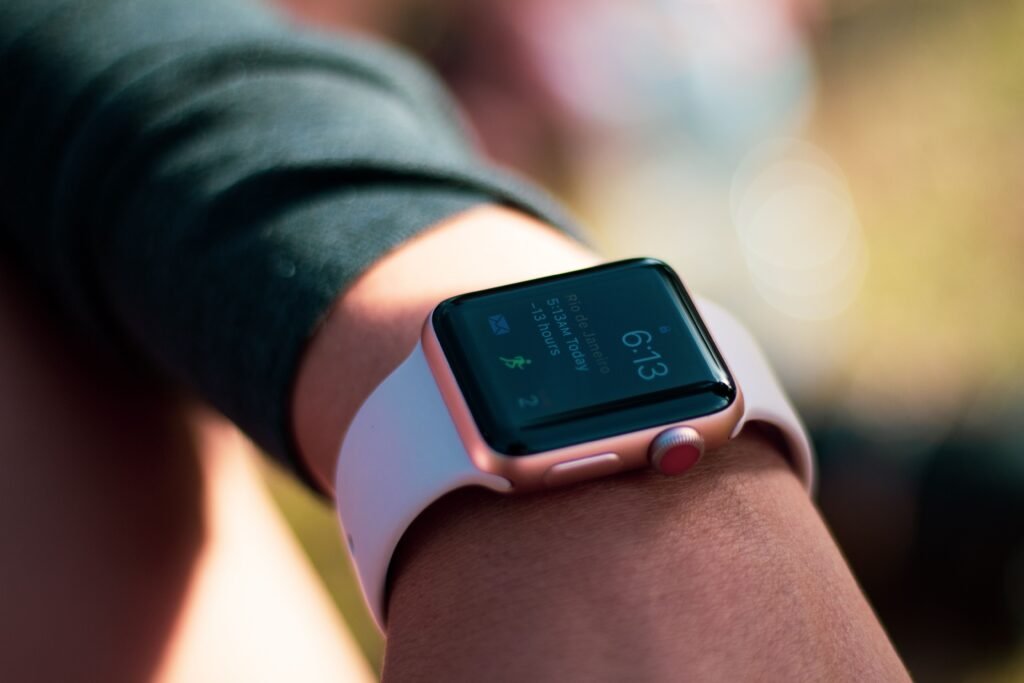
Apple Watch Series 12 and Apple Watch Ultra 4 are officially on shelves today, September 18, 2026. Preorders opened the moment Apple’s keynote ended on September 9, and for the last week and a half, most of the coverage has been about specs on a page and leaked press photos. Today that changes. Boxes are landing on doorsteps, Apple Store staff are strapping demo units onto walk-in customers, and the two watches Apple spent the summer teasing are finally something you can put on your own wrist and judge for yourself.
If you have been holding off on an upgrade, launch day is usually the most confusing moment to make a decision, not the clearest one. So here is what is actually different this year, what is exclusive to which model, and what the first week of real-world use is already telling us that a spec sheet cannot.
At a Glance
- Availability: In stores and shipping today, September 18, 2026
- Pricing: Series 12 from $399, Ultra 4 from $799, unchanged from last year
- Where to buy: Apple.com, the Apple Store app, Apple retail stores, authorized resellers, and carriers for cellular models
- Chip: S11, Apple’s first new watch silicon since 2023
- Health headline: A redesigned sensor system that checks heart rate every five seconds, all day
- Ultra 4 headline: Up to 50 hours of normal battery life and an FDA-reviewed blood pressure risk feature
Both watches keep the same starting prices as last year, which is a small mercy given how much everything else in consumer electronics has crept up. Series 12 starts at $399, Ultra 4 at $799, and both are available now directly from Apple, through the Apple Store app, at Apple retail locations, and through the usual authorized retailers and carriers if you want a cellular model tied to a plan.
The Health Sensing System Is the Real Upgrade
Apple spent most of its keynote time on a redesigned health sensing system rather than a new look, and after a week of preorder chatter and early hands-on time, that focus seems justified. The array now uses a larger electrode surface for better skin contact during ECG readings, photodiodes arranged in a ring rather than a cluster for more even light capture, and larger, more power-efficient green LEDs for optical heart rate tracking.
The practical result is a heart rate sensor that can sample every five seconds throughout the day instead of only during workouts or periodic background checks, roughly a sixtyfold increase in sampling frequency over the previous generation. That feeds directly into the new Readiness score, a single number from 0 to 10 that weighs recent training load, sleep, and vitals, and updates as your day actually unfolds rather than resetting once each morning.
None of this would be possible without the S11 chip, Apple’s first new watch silicon since 2023 and the first with enough headroom to run on-device Siri AI and a set of Audio Intelligence features, including Sound Recognition, a faster version of Shazam, Live Rewind, and Siri Recap. It is also the same processing foundation behind the rebuilt, more conversational Siri that watchOS 27 is rolling out, though not every existing Watch model will get the full version of it.
Ultra 4 Is Pulling Further Ahead of the Standard Lineup
If Series 12 is a careful, incremental update, Ultra 4 is the watch actually taking risks this year. The case is thinner than Ultra 3’s, the sensor hardware is roughly doubled, and Apple finally shipped the blood pressure feature that has been rumored for years. It is an FDA-reviewed system built around multi-spectrum LED sensors that flags a trend toward elevated blood pressure rather than producing a clinical reading, which means it will not replace a cuff, but it can catch a pattern worth mentioning at your next physical.
Battery life is the other headline. Normal daily use now stretches to 50 hours, up from 42, Low Power Mode reaches 84 hours, and a single workout mode can track continuously for up to 45 hours. Fifteen minutes on the charger adds roughly 18 hours of use, which matters more than it sounds like once you have actually forgotten to charge a watch before a long weekend outdoors.
That gap between Ultra and the standard lineup is not new, but it is widening. Series 12 gets always-on heart rate tracking and, for the first time, a ceramic case option in Pearl White and Night Blue alongside aluminum and titanium, with Ceramic Shield 2 making the aluminum models about 60 percent tougher than the old Ion-X glass. The blood pressure feature and the doubled sensor array, though, are staying exclusive to Ultra for at least this generation.
| Spec | Series 11 | Series 12 | Ultra 3 | Ultra 4 |
|---|---|---|---|---|
| Starting price | $399 | $399 | $799 | $799 |
| Chip | S10 class | S11 | S10 class | S11 |
| Heart rate sampling | Periodic background checks | Every 5 seconds, all day | Periodic background checks | Every 5 seconds, all day |
| Blood pressure risk alert | Not available | Not available | Not available | FDA reviewed, included |
| Normal battery life | Up to 18 hours | Up to 18 hours | Up to 42 hours | Up to 50 hours |
| Case options | Aluminum, titanium | Aluminum, titanium, ceramic | Titanium | Titanium, thinner profile |
Series 11 and Ultra 3 figures reflect their original launch specs for comparison.
The Reviews Are In. Launch Day Is the Real Test
Embargoed reviews lifted earlier this week, and the first wave of hands-on reviews was largely positive on the health tracking upgrades while noting that the physical design changes are subtle enough that most people will not clock them from across a room. That lines up with what Apple has been signaling since the keynote: this is a health and silicon release, not a redesign year.
What reviewers cannot fully capture in a week with a loaner unit is how these watches behave once real inventory hits real stores and real wrists. Early interest looked strong even before today. Preorder weekend data showed demand tracking ahead of last year’s Series 11 launch, particularly for the ceramic Series 12 models, which suggests Apple may be managing tighter stock on those finishes than on standard aluminum. If a specific color or case material matters to you, it is worth checking local pickup availability before assuming walk-in stock will still be there this weekend.
Should You Actually Buy One Today
- Coming from a Series 9, 10, or 11? The always-on, high-frequency heart rate tracking and the Readiness score are the first genuinely new reasons to upgrade in a few years, rather than a marginal speed bump.
- Currently on Ultra 2 or Ultra 3? The blood pressure feature and the battery gains are the two things worth paying for. The case redesign alone would not justify the jump.
- Buying your first Apple Watch? Series 12 at $399 is the easy recommendation for most people. Only step up to Ultra 4 if you genuinely need multi-day battery life or the ruggedness for outdoor sports.
- Want the ceramic finish specifically? Order online today rather than waiting for a store visit. Early demand signals point to that option selling through faster than aluminum or titanium.
The Bottom Line
Apple Watch Series 12 and Ultra 4 are not a dramatic reinvention, and Apple never pretended otherwise. What they are is a genuine step forward in how often and how accurately these watches actually watch your health, backed by a chip with enough headroom to carry Apple’s AI ambitions for the next few years. Now that both watches are actually shipping, the marketing language is over and the only opinion that matters is the one you form after a week on your own wrist. If you preordered, your watch is likely arriving today or tomorrow. If you didn’t, walk-in stock is your fastest path to trying one before the weekend rush.
Sources and further reading
- Apple Newsroom: new iPhone, Apple Watch and AirPods arrive in stores
- Apple Newsroom: introducing Apple Watch Series 12
- Apple Newsroom: Apple unveils Apple Watch Ultra 4
About this article: GeekBlog covers U.S. technology news, AI, phones, smartwatches and gaming. Every story is written and checked under our Editorial Policy. Spotted a mistake or have a story tip? Contact our editors.
