

Featured image: official Unity artwork via Unity
The group that just bought Electronic Arts for $55 billion may already be eyeing its next gaming target. According to a Reuters report published on November 5, Silver Lake and Saudi Arabia’s Public Investment Fund (PIF) have approached Unity, the company behind one of the most widely used game engines in the world, about a possible takeover.
Nothing is signed, nothing is announced, and Unity has declined to comment. Still, the story matters far beyond Wall Street, because Unity sits underneath thousands of games and the studios that make them. Here is what has been reported, why the timing is interesting, and what developers and players should actually watch for.
The short version
- Who: Silver Lake and Saudi Arabia’s PIF, the same pair behind the EA take-private
- Price talk: a valuation of around $25 billion, discussed before Unity’s latest earnings
- Current value: Unity’s market cap is now roughly $21.5 billion
- Status: preliminary. Unity is reportedly working with an investment bank to weigh its options
- What changes today: nothing for Unity’s tools, pricing or licensing
What Reuters actually reported
Reuters, citing people familiar with the matter, says Unity has held acquisition discussions with a group of investors similar to the one that took EA private. Silver Lake and PIF approached the company in recent weeks. As PC Gamer’s write-up notes, the consortium’s talks are not final and the terms could still change.
The figure floating around is about $25 billion. That number reportedly came up before Unity published its third-quarter results. After the report, the company’s market value rose to roughly $21.5 billion, which means a $25 billion price would sit about 16% above where the stock now trades. Per tbreak, Unity shares surged nearly 15% in the regular session and added another 6.6% in extended trading to $52.04. Other outlets reported a smaller after-hours move, so treat the exact stock figures as approximate.
Unity’s reported price tag next to the EA deal
Billions of US dollars. The $25B figure is a reported, preliminary valuation, not an offer. Sources: Reuters via PC Gamer and Inven Global.
Why this group, and why now
Silver Lake is not a stranger to Unity. The firm invested up to $400 million in the company in 2017 and still holds roughly 8%. Its CEO and managing partner, Egon Durban, also sits on Unity’s board. Reuters notes that he would typically recuse himself from any board talks about a sale, which is exactly the kind of conflict that would need careful handling if this goes further.
PIF, on the other hand, has no reported stake in Unity. But it has been on a gaming shopping spree, and its Savvy Games Group signed an agreement with Unity back in 2025 to support game developers in Saudi Arabia. The EA take-private closed on August 4, 2026, and also included Affinity Partners. Reuters described it as one of the largest leveraged buyouts in history.
The timing also lines up with a strong quarter. Inven Global reports that Unity’s third-quarter revenue hit $622.1 million, up 32% year over year, driven by its AI-powered Vector advertising platform. It was the company’s first quarterly GAAP profit since its September 2020 IPO. A year ago that would have sounded unlikely for a company still recovering from the backlash over its 2023 Runtime Fee plan.
| When | What happened |
|---|---|
| 2017 | Silver Lake invests up to $400 million in Unity |
| September 2020 | Unity goes public |
| September 2023 | Runtime Fee announced, triggering a developer revolt |
| August 2025 | Savvy Games Group and Unity sign an MoU for Saudi developers |
| August 4, 2026 | EA take-private by PIF, Silver Lake and Affinity closes |
| November 5, 2026 | Reuters reports the approach to Unity at about $25 billion |
Why a game engine is a different kind of prize
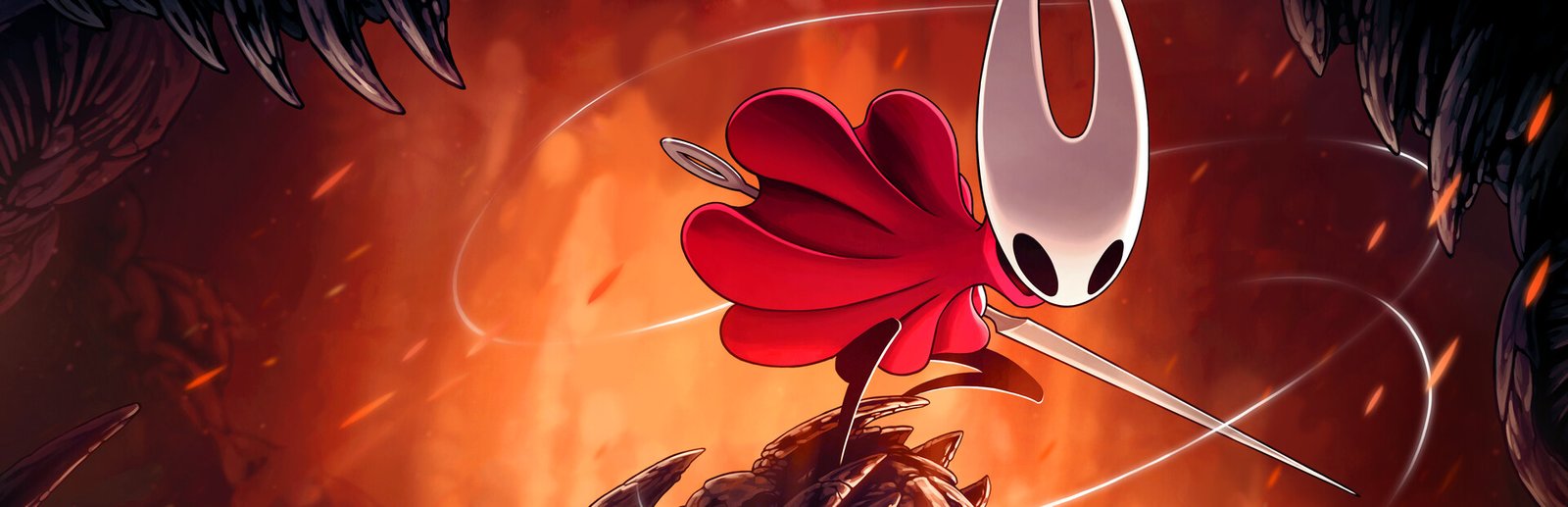
Buying EA meant buying franchises. Buying Unity would mean buying infrastructure. The engine powers a huge range of games, from big indie hits like Hollow Knight: Silksong to mobile giants. Inven points out that Scopely, maker of Monopoly GO!, and Niantic, maker of Pokémon GO, both use Unity, and both are co-owned by the same investors through earlier deals.
That is a very different position from owning a publisher. An engine owner can influence pricing, licensing terms and the direction of the tools every studio depends on. For developers, the memory of 2023 is still fresh, and a new owner with a mandate to maximize returns will make many of them nervous. PC Gamer’s own take is blunt: it sees the industry heading toward a handful of consortiums owning most of it.
The consolidation backdrop
This story lands in the middle of a rough stretch for studios owned by big publishers. We covered how EA is closing BioWare after 30 years, which is the kind of cost-cutting outcome developers worry about when private equity takes control. At the same time, engines are being pulled into the AI conversation, as when Epic delayed a Marvel and Star Wars shooter to go “AI first”. Unity’s ad business already leans heavily on machine learning, and tools around the engine are likely to follow.
What to watch
- An official announcement: Unity has not confirmed talks, and Reuters says a deal may never happen.
- Board handling: how Silver Lake’s Egon Durban is walled off from any sale process.
- Pricing signals: any change to Unity’s licensing or subscription terms in the coming months.
- Other bidders: Unity is reportedly weighing its options with an investment bank, so this may not be a one-horse race.
My take
A premium of roughly 16% over market value is not wild for a take-private, and Unity finally showing a GAAP profit makes it a cleaner target than it was two years ago. The real question is not whether the numbers work. It is who controls the tools that thousands of small studios build on, and whether a leveraged buyout is compatible with the developer trust Unity spent the last two years trying to rebuild. For now, nothing changes for anyone shipping a game in Unity. If talks turn into a signed deal, expect developers to read the fine print on pricing very closely.
Sources: PC Gamer, tbreak, Inven Global, This Week in Video Games, all relaying Reuters reporting.
About this article: GeekBlog covers U.S. technology news, AI, phones, smartwatches and gaming. Every story is written and checked under our Editorial Policy. Spotted a mistake or have a story tip? Contact our editors.
