

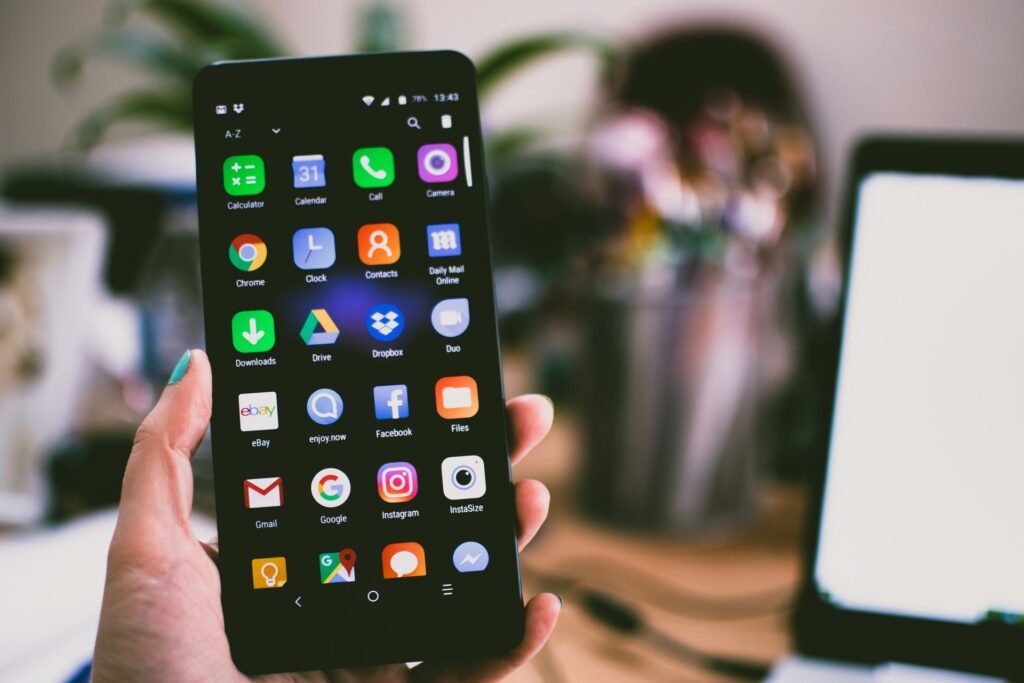
Walk into a phone store right now and you will notice something feels off. The phones on display are as impressive as ever, but the price tags are starting to look like something from a luxury electronics boutique. That cheap Android you could grab for $150 two years ago? It is now pushing $250. Entry-level devices have jumped more than 50 percent in price in some cases, and the trend is not letting up.
This is not a coincidence or a temporary blip. The global smartphone market is going through its worst year in recorded history, and the reason has almost nothing to do with the phones themselves.
The Numbers Say It All
Research firms including CCS Insight, Omdia, IDC, and Counterpoint Research all agree on the scale of the problem. Global smartphone shipments are expected to fall somewhere between 12 and 15 percent in 2026, which would bring total unit sales down to roughly 1.09 billion devices. To put that in context, that is about 152 million fewer phones sold compared to 2025.
At the same time, the average selling price of a smartphone is climbing sharply. Omdia reports the global average selling price (ASP) is set to jump from $467 in 2025 to $565 in 2026. That is a 21 percent increase, and it marks an all-time high for the industry in both the rate of growth and the actual dollar amount.
Fewer phones sold. Higher prices for the ones that are. That combination tells you this is a structural shift, not just a slow quarter.
It Is All About Memory Chips Going to AI
Here is the part that catches most people off guard: the root cause of the smartphone price spike is not supply chain disruption in the way we saw during COVID. It is artificial intelligence.
The AI boom has created enormous demand for high-performance memory chips. The massive server farms that power ChatGPT, Gemini, and every other large language model running today rely on vast quantities of specialized DRAM and NAND flash memory. Chipmakers like Samsung, SK Hynix, and Micron have responded to that demand by redirecting production capacity toward high-margin AI memory, at the expense of the cheaper DRAM and NAND used in everyday consumer devices like phones.
According to Omdia, average DRAM and NAND flash memory prices rose by more than 80 percent quarter over quarter in just the first three months of 2026. Further increases followed in Q2.
CCS Insight research analyst Ben Hatton put it plainly: “Memory components now account for more than 30 percent of a manufacturer’s bill of materials in some smartphones. The full impact has yet to be felt in many regions, but it is clear that device prices will accelerate over the rest of the year.”
This is a demand-side memory supercycle, fundamentally different from past chip shortages that came from production constraints. Instead, hyperscalers pouring money into AI infrastructure have tipped the balance. Analysts believe this situation is unlikely to resolve before 2028.
Budget Phones Got Hit the Worst
Not every phone buyer is feeling this equally. Premium flagship buyers paying $1,000 or more are affected, but the relative impact on their total bill is modest. Budget buyers are in a far worse position.
Because memory and storage make up a proportionally higher share of a budget phone’s total cost, the price hikes land harder at the low end. An entry-level device that cost $150 in early 2025 might now carry a sticker price above $230, a jump of more than 50 percent. At that point, a mid-range phone from six months ago suddenly looks like a better deal.
Smartphone makers have responded to this environment by pivoting toward premium, high-margin lineups. Releasing a cheap phone when every component costs more is a losing proposition. So they are shipping fewer of them, or cutting them from their rosters entirely.
Apple has been the notable holdout so far, absorbing some of the cost pressure through its scale and supply chain relationships. But that will not last. CEO Tim Cook recently confirmed that price increases are coming for iPhone buyers as well.
More People Are Turning to Refurbished Phones
With new phones becoming harder to justify on a budget, used and refurbished devices are having a moment. The secondary smartphone market grew by four percent in the first quarter of 2026 alone, and CCS Insight projects the full-year refurbished market will grow by 15 percent.
The GSMA’s Recommerce Trade-In Index for 2026 found that smartphone resale is rapidly becoming a mainstream habit rather than a last resort, with the average resale price sitting around €189 across Europe. Countries with established trade-in programs are positioned to benefit most from this shift.
For consumers who were planning to upgrade this year, the calculus has changed. Holding onto your current phone for another year or two, or picking up a certified refurbished flagship from 2024, might make far more financial sense than buying new.
That said, even the refurbished market has a supply problem lurking underneath the surface. The refurbished ecosystem depends on people trading in their old phones when they upgrade. If fewer people are buying new phones, fewer used phones enter circulation. Replacement cycles have already stretched to more than four years on average, compared to the two-year cycle that used to be typical. Analysts expect the supply of pre-owned devices to tighten over the next 12 to 18 months as a result.
What Should You Actually Do Right Now?
If you need a phone right now, here is the practical picture.
Avoid entry-level new phones. The worst value in the current market is a cheap new Android smartphone. The price hikes have hit these hardest, which means you are often paying mid-range prices for hardware that still feels entry-level.
Look at certified refurbished. A refurbished Galaxy S25 or Pixel 9 from a reputable seller is a genuinely good option right now. You get flagship performance from a year or two ago at a price that makes sense.
Hold if you can. Analysts generally agree the market will not stabilize until 2027 at the earliest, with a real recovery expected in 2028 once memory supply and demand rebalance. If your current phone is working, there is a strong case for waiting.
Time your upgrade carefully. If you are set on buying new, check out our roundup of phones worth waiting for this year, as several strong releases are expected in the second half of 2026 that may justify the premium even in a tough market.
The View From the Premium End
The flagship segment has proven more resilient to the chaos. Buyers at the top end are generally less sensitive to a $50 or $100 price bump when they are already spending over $1,000. Devices like the Vivo X300 Ultra with its dual 200MP cameras still represent genuine engineering leaps, and that kind of innovation commands a premium regardless of memory costs.
The real story, as Omdia senior research manager Jusy Hong put it, is that the smartphone industry is “going through a period of significant disruption, as vendors work to manage short-term component cost pressures as effectively as possible.” He expects a stabilization phase toward the second half of 2027, with component price declines anticipated in early 2028.
That is at least a year and a half from now. In the meantime, fewer launches, higher prices, and a booming refurbished market are the new normal. The phones themselves are not getting worse. The flagships arriving in 2026 are genuinely impressive. Getting one at a price that feels reasonable? That is where it gets complicated.
About this article: GeekBlog covers U.S. technology news, AI, phones, smartwatches and gaming. Every story is written and checked under our Editorial Policy. Spotted a mistake or have a story tip? Contact our editors.
