

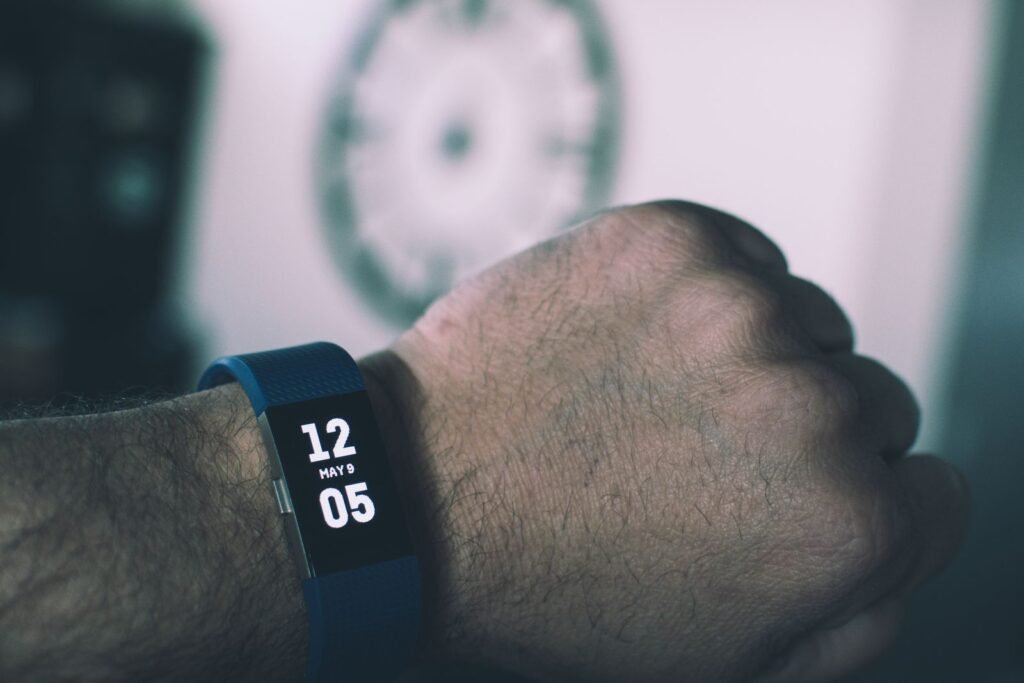
If you have spent any time watching smartwatch ads on social media lately, you have probably seen Spade & Co promising most of what an expensive tracker does for a fraction of the price. Fitbit, meanwhile, has spent more than a decade as the default name in affordable fitness tracking, and it is now backed by Google. Put the two side by side and the question is not really which one has the flashier marketing. It is whether a newer budget brand can match a mature, well-supported ecosystem, and whether Fitbit still earns its higher price. This is a fair, fact-based look at Spade and Co vs Fitbit in 2026.
Quick Answer
Spade & Co is cheaper up front (around $80 to $99, no subscription) and its AMOLED screen and long battery life look great on paper, but its health readings and after-sales support draw mixed reviews. Fitbit costs more once Google Health Premium is factored in, yet delivers more dependable data, a deeper app, and stronger warranty protection. For accuracy and peace of mind, Fitbit wins; for the lowest sticker price with realistic expectations, Spade & Co is defensible.
Who makes these devices
Spade & Co is a direct-to-consumer brand that sells almost entirely online, cutting out retailers to keep prices low. Its current flagship is the Health Smartwatch 4, with the older Health Smartwatch 3 still sold at a small discount. The pitch is straightforward: a full-featured health watch without the “brand tax” of the big players. Because it is a smaller, marketing-driven company rather than a household hardware name, most of what you learn about it comes from its own site, Amazon listings, and third-party review platforms rather than from long-established labs.
Fitbit is a different story. Google now owns Fitbit outright, and in 2026 the transition became hard to miss. The long-running Fitbit app was folded into the new Google Health app in May 2026, and Fitbit Premium was rebranded as Google Health Premium on May 19, 2026. The hardware line-up was also trimmed and refreshed, headlined by the new screenless Google Fitbit Air. Buying a Fitbit today means buying into Google’s health platform rather than a standalone company, for better and for worse.
Price and what you actually get
Spade & Co wins the sticker-price battle without much of a fight. The Health Smartwatch 4 typically sells for around $80 to $99 depending on where and when you buy, and the Health Smartwatch 3 sits a little below that. There is no mandatory subscription, so the price you pay is essentially the total price of ownership. The brand also leans heavily on bundles and limited-time discounts, so the headline figure you see in an ad is not always the price at checkout.
Fitbit’s range is wider and pricier at list, but it discounts aggressively. The Fitbit Charge 6 carries a suggested price of around $160, yet it has repeatedly been cut throughout 2026, dropping as low as roughly $85 on Amazon with a three-month Google Health Premium trial included. The Inspire 3 band is the traditional budget option at roughly $80 to $100, and Google added the screenless Fitbit Air at $99.99 (with a $129.99 Special Edition), built around a Gemini-powered coaching feature. The catch is that Fitbit’s most useful insights increasingly live behind Google Health Premium, which runs about $9.99 a month or $99.99 a year. Over two or three years, that subscription can quietly cost more than the watch itself.
Features on paper
On a spec sheet, the two look surprisingly close. The Spade & Co Health Smartwatch 4 offers 24/7 heart rate monitoring, blood-oxygen (SpO2) readings, sleep tracking and scoring, stress tracking, menstrual cycle tracking, and the usual smartwatch conveniences like call and text notifications, weather, and even an Alexa voice assistant. Its AMOLED screen is a genuine step up from the older model, and battery life is a marketing highlight. Spade & Co promotes long endurance, but independent impressions land closer to 10 or so days of real-world use rather than the eye-catching month-long figures that circulate in some ads, so treat any 30-day claim with caution.
Fitbit covers the same core metrics but tends to go deeper. Heart rate, SpO2, sleep stages, stress management through electrodermal readings on some models, and automatic workout detection are all present, and the Charge 6 adds built-in GPS and a heart-rate broadcast feature for gym equipment. Fitbit’s battery life is shorter, typically around a week, but its sensors and algorithms have years of refinement behind them. The trade-off is clear: Spade & Co gives you a brighter screen and longer gaps between charges, while Fitbit gives you data you are more likely to trust.
Spade and Co vs Fitbit: side-by-side comparison
| Factor | Spade & Co (Health Smartwatch 4) | Fitbit (Charge 6 / Inspire 3 / Air) |
|---|---|---|
| Price | ~$80–$99, often bundled | ~$80–$160 list; frequently discounted to ~$85 |
| Subscription | None required | Best features behind Google Health Premium (~$9.99/mo) |
| Battery | Claimed very long; realistically ~10+ days | About 7 days |
| Accuracy | Mixed; step and heart-rate complaints reported | Among the most dependable in the budget tier |
| Support & returns | 30-day policy; restocking fee and paid return shipping possible | Conventional warranty via Google and retailers |
| Best for | Casual users chasing the lowest price, no subscription | People who want trustworthy data and a mature app |
Where the real difference shows up: accuracy and reliability
Specs only tell you what a device claims to measure, not how well it does it, and this is where the gap widens. Independent reviews and customer feedback for Spade & Co are mixed. Plenty of buyers are satisfied with a watch that tells time, shows notifications, and gives a rough sense of activity. But a recurring complaint is that the health features can be unreliable, with reports of step counts registering while the wearer sits still, temperature readings that feel off, and heart-rate numbers that read more like estimates than measurements. Some customers have also flagged durability issues within weeks of purchase, including batteries that hold less charge as the months go by.
Fitbit is not perfect, and no wrist-based optical sensor is truly clinical grade. But its heart-rate and sleep tracking are widely regarded as among the most dependable in the affordable tier, and the data syncs into a polished app with years of trend history. For anyone who wants numbers they can more or less trust over the long run, that track record matters. If you are the type of person who will actually act on your metrics, the difference between “roughly right” and “often wrong” is the whole point of wearing a tracker at all.
The subscription and true cost of ownership
Sticker price is only part of the story, and this is where Spade & Co’s simplicity becomes a genuine advantage. Because there is no paid tier, the roughly $80 to $99 you spend is the end of it. Fitbit, by contrast, now steers its richest insights, adaptive coaching, and deeper sleep analysis into Google Health Premium at about $9.99 a month. Buy a discounted Charge 6 for $85 and keep Premium for two years and you have spent close to $325 all in. That does not make Fitbit a bad deal, since a lot of its core tracking still works without paying, but it does change the math. A shopper comparing two $90 price tags may not realize that one of them is really a $90 device and the other is a $90 device plus an optional $120-a-year habit.
The honest way to frame it is by intent. If you want a set-and-forget tracker and will never open a subscription, Spade & Co looks better the longer you own it. If you value AI-driven coaching and evolving features, Fitbit’s ongoing cost buys ongoing development that a smaller brand simply cannot match.
The app and the ecosystem
An affordable tracker is only as good as the software that interprets its data. Fitbit’s move into Google Health brings a redesigned interface and an AI coaching layer built on Gemini, and it pulls together data from wearables, Health Connect, Apple Health, and even medical records into one place. That is a double-edged sword: the experience is richer, but the best coaching sits behind a paid tier, and you are handing more health data to Google. Spade & Co’s companion app is simpler and free, which suits people who just want the basics without a login to a tech giant, though it lacks the depth, polish, and third-party integrations of Fitbit’s platform. If you care about long-term trend history and a large community, Fitbit’s ecosystem is still the more capable home for your data.
Customer service and buying with confidence
Because Spade & Co sells directly, the buying experience runs through its own website, and here the reviews are genuinely divided. Its stated policy is a 30-day return window, but customers are typically responsible for return shipping, and the company reserves the right to apply a restocking fee. Some buyers praise prompt, helpful support and smooth refunds; others describe difficulty securing refunds, partial refunds on returned items, and devices that failed just after the 30-day window closed, leaving them without recourse. Fitbit, through Google and mainstream retailers, offers more conventional warranty and return protections, which is worth weighing if peace of mind is part of the purchase. If you are still deciding how much watch you actually need, our guide to the best Apple Watch alternatives in 2026 puts both brands in wider context.
Who should buy Spade & Co, and who should buy Fitbit
Spade & Co makes the most sense for a specific shopper: someone on a firm budget who wants an attractive AMOLED watch for time, notifications, and a broad sense of daily activity, and who actively dislikes subscriptions. If you treat the health numbers as ballpark guidance rather than gospel, and you buy knowing the returns process can be strict, it can be a satisfying, low-commitment purchase.
Fitbit is the better fit for anyone who takes their data seriously: runners, sleep-trackers, people managing a health goal, or those who simply want a device that will still be well supported in three years. You pay more, especially with Premium, but you get accuracy, a mature app, and the reassurance of Google-backed warranty coverage.
Key Takeaways
- Spade & Co is cheaper up front (~$80–$99) with no required subscription; Fitbit costs more once Google Health Premium (~$9.99/mo) is added.
- Spade & Co’s headline battery claims are optimistic; expect closer to 10+ days, still longer than Fitbit’s ~7 days.
- Fitbit’s heart-rate, sleep, and step accuracy are more dependable; Spade & Co draws recurring accuracy and durability complaints.
- Spade & Co returns can involve restocking fees and paid shipping; Fitbit offers more conventional warranty support.
- Buy Spade & Co for the lowest price and no subscription; buy Fitbit for trustworthy data and a mature app.
So which one should you buy?
The honest answer depends on your priorities. If your budget is firm, you want a decent-looking watch for time, notifications, and a broad sense of your activity, and you do not want a subscription, Spade & Co makes a reasonable case, provided you go in with realistic expectations about accuracy and after-sales support. If you care more about dependable health data, a mature app, and long-term reliability, Fitbit remains the safer pick even at a higher effective cost once Premium is factored in.
For most people who take their metrics seriously, Fitbit is the stronger all-rounder in 2026. For casual users chasing the lowest possible price, Spade & Co is a defensible budget choice rather than a bargain-of-the-century. If you are torn between a budget band and a full smartwatch, it is also worth reading our breakdown of Fitbit vs Apple Watch before you decide.
The Bottom Line
Spade & Co wins on price and battery life and is a fair pick for casual users who want no subscription and realistic expectations. But Fitbit earns its higher cost with more trustworthy accuracy, a deeper app, and Google-backed support. If your metrics matter, choose Fitbit; if the sticker price rules, Spade & Co is defensible.
Frequently Asked Questions
Is Spade & Co as accurate as Fitbit?
Generally no. Spade & Co covers the same core metrics on paper, but reviews report inconsistent step counts and heart-rate readings, while Fitbit’s sensors and algorithms are among the most dependable in the budget tier.
Does Spade & Co really last 30 days on a charge?
Treat month-long claims with caution. Independent impressions suggest closer to around 10 days of real-world use, which is still longer than Fitbit’s roughly week-long battery.
Do I have to pay a subscription with Fitbit?
Core tracking works without paying, but Fitbit’s best insights and AI coaching now sit behind Google Health Premium at about $9.99 a month or $99.99 a year. Spade & Co has no required subscription.
Is Spade & Co easy to return?
It offers a 30-day return window, but customers usually pay return shipping and a restocking fee may apply. Reviews are mixed, with some reporting refund difficulties, so keep your receipt and act within the window.
Which is the better value in 2026?
For subscription-free simplicity and the lowest up-front cost, Spade & Co. For accuracy, app depth, and long-term support, Fitbit is the better overall value despite the added Premium cost.
Featured image: Brett Sayles on Pexels.
About this article: GeekBlog covers U.S. technology news, AI, phones, smartwatches and gaming. Every story is written and checked under our Editorial Policy. Spotted a mistake or have a story tip? Contact our editors.
