

Garmin has never been shy about charging real money for a watch with a nice bezel, but the third-generation MARQ pushes the idea further than before. The company announced the MARQ Gen 3 collection on October 13, 2026, and the starting price is $2,500. That buys you a bigger screen, a flashlight, LTE calling and satellite messaging, which are the kind of features that used to live only on Garmin’s rugged outdoor watches.
There are six models this time, from the $2,500 Athlete up to $3,100 for the Aviator, Commander and Diver. Here is what is actually new, how the lineup breaks down and whether the jump from the old MARQ is as big as the price tag suggests.
Quick take
The Garmin MARQ Gen 3 keeps the 47mm titanium case and sapphire glass of a luxury tool watch, then adds a 1.4-inch AMOLED display, 128GB of storage with worldwide maps, LTE calling, satellite messaging and SOS, a built-in flashlight and the ECG app. Battery is rated at up to 18 days as a smartwatch. Prices run from $2,500 to $3,100, and some editions ship in 8 to 12 weeks.
Garmin MARQ Gen 3 at a Glance
| Spec | MARQ Gen 3 |
|---|---|
| Announced | October 13, 2026 |
| Price range | $2,500 to $3,100 depending on edition |
| Case | 47mm, Grade 5 titanium, sapphire lens |
| Display | 1.4 inch AMOLED (Gen 2 used 1.2 inch) |
| Storage | 128GB with preloaded worldwide maps |
| Connectivity | LTE calling, satellite messaging and SOS through inReach |
| Battery (rated) | Up to 18 days smartwatch, 7 days always-on display, 32 hours activity tracking |
| Water rating | 10 ATM |
| Extras | Flashlight, speaker and microphone, ECG app (supported regions) |
Specs and pricing as reported from Garmin’s October 13 announcement and launch coverage from Wareable, Android Authority, Gadgets & Wearables and The 5K Runner. Battery figures are Garmin’s own ratings, not independent tests.
The Big Change: A Luxury Watch That Works Off the Grid
The old MARQ was a dress-up watch with Garmin’s training software inside. It had no cellular radio and no satellite link, so if you wanted to message someone from a mountain you carried something else. Gen 3 changes that. Every edition supports LTE calling and satellite messaging with SOS, and Garmin says the watches can work without a phone through its inReach service.
There is a catch worth knowing about. The satellite and LTE features need an active Garmin plan, and the launch coverage we reviewed did not spell out plan pricing. If you are spending $2,500 or more you probably will not blink at a monthly fee, but it is part of the real cost of ownership. If you want to see how Garmin handles its other recent premium launches, our look at the Garmin Enduro 4 shows the company going a very different direction, with no satellite hardware reported at all.
Bigger Screen, Bigger Storage
The display grows from 1.2 inches on the Gen 2 to a 1.4-inch AMOLED, and Garmin says it sits in a borderless design under sapphire. Rumors had floated microLED for this generation. It did not happen, and honestly that is fine, because AMOLED is bright and proven. Internal storage jumps to 128GB, enough to carry worldwide maps without any downloading before a trip.
The software side leans on Garmin’s current flagship platform, which means the same training and health tools you would find on its newest Fenix hardware, plus the ECG app in supported regions. A speaker and microphone handle calls, and a built-in LED flashlight is a new party trick for a watch that normally lives under a shirt cuff.
Meet the Six Editions
All six share the same 47mm titanium body and internals. What separates them is the bezel, the strap and a few specialist features. Garmin dropped the Captain name from the previous generation, and the new Diver takes over that job.
| Edition | Price | What sets it apart |
|---|---|---|
| Athlete | $2,500 | The entry point to the collection |
| Adventurer | $2,700 | Outdoor-leaning styling |
| Golfer | $2,800 | Ceramic bezel with an 18-hole indicator, woven strap, Virtual Caddie (needs a Garmin Golf membership) |
| Aviator | $3,100 | Black ceramic bezel with UTC markings, calfskin strap, flight mapping and aviation weather |
| Commander | $3,100 | Tactical-focused tools |
| Diver | $3,100 | Dive bracelet with 15 mm micro-adjustment, scuba, apnea and snorkel modes, single-gas diving to 40 meters |
Edition details are from launch coverage. Garmin’s product pages carry the full material and strap lists.
The Golfer is the one most likely to overlap with other Garmin products. If you mostly want golf features, a dedicated model costs far less, and our write-up of the Garmin Approach S72 shows what $799.99 buys on the course. The MARQ Golfer is for people who want a watch they can wear to dinner afterward.
Battery Life: Good, Not Spectacular
Garmin rates the MARQ Gen 3 at up to 18 days in smartwatch mode. Turn on the always-on display and that falls to 7 days, and the rating for activity tracking is 32 hours. That is solid for an AMOLED watch with LTE onboard, though it is a long way from the multi-week numbers of Garmin’s solar-assisted MIP models. Keep in mind these are manufacturer ratings, and LTE calls, satellite messaging and the flashlight will all pull the number down in daily use.
Is It Worth the Money?
It depends on what you think a $2,500 watch is for. If your goal is the best training and tracking per dollar, a Fenix-class watch costs far less and does most of the same things. The MARQ is a style and materials purchase, with titanium, sapphire and ceramic doing as much of the work as the software. Gen 3 does make that purchase easier to justify, because it adds features that used to need a separate device.
Pricing against the previous generation is a bit murky. Launch-era reports on the Gen 2 prices disagree, so we would not trust a hard percentage. One comparison suggests the entry price rose by roughly $600, which would be a big step. Either way, this is clearly a more expensive watch than the one it replaces, and delivery times of 5 to 8 weeks for the Diver and 8 to 12 weeks for the Golfer and Aviator show that demand, or limited stock, is real.
What it does well
- ✓ Bigger 1.4-inch AMOLED screen
- ✓ LTE calling and satellite SOS in a dress-style watch
- ✓ 128GB with worldwide maps preloaded
- ✓ Titanium case, sapphire glass, 10 ATM water rating
- ✓ Six editions with real feature differences
Where it falls short
- ✕ Starts at $2,500 and climbs to $3,100
- ✕ Satellite and LTE need a paid plan
- ✕ Long shipping waits on some editions
- ~ 18-day battery is shorter than Garmin’s MIP watches
- ~ Golf features need a separate membership
Who Should Buy the MARQ Gen 3?
If you are not sold on the luxury angle, our guide to the best Garmin smartwatch in 2026 covers the cheaper models that share much of the same software.
Frequently Asked Questions
How much does the Garmin MARQ Gen 3 cost?
Prices start at $2,500 for the Athlete and reach $3,100 for the Aviator, Commander and Diver. The Adventurer is $2,700 and the Golfer is $2,800.
When was the MARQ Gen 3 released?
Garmin announced it on October 13, 2026, and orders are open. Shipping estimates range from 5 to 8 weeks for the Diver to 8 to 12 weeks for the Golfer and Aviator.
Does the MARQ Gen 3 have LTE and satellite messaging?
Yes. All six editions support LTE calling and satellite messaging with SOS, and these features need an active Garmin plan.
How long does the MARQ Gen 3 battery last?
Garmin rates it at up to 18 days as a smartwatch, 7 days with the always-on display and 32 hours of activity tracking.
What replaced the MARQ Captain?
The new Diver edition takes over from the Gen 2 Captain, with support for scuba, apnea and snorkeling and single-gas diving to 40 meters.
Final Verdict
The Bottom Line
The MARQ Gen 3 is the first MARQ that works as a real piece of safety gear as well as jewelry. The larger screen, the 128GB of storage and especially the LTE and satellite features are meaningful upgrades. The price is steep and the long wait for some editions will test patience, so wait for independent battery and connectivity tests before you order.
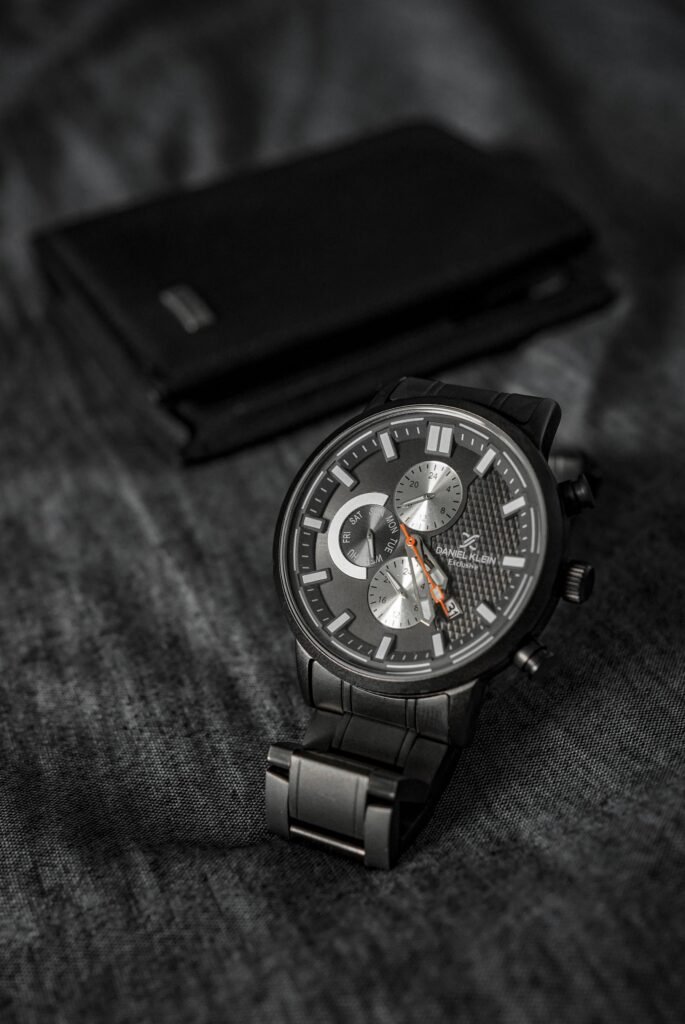
Featured image: Pexels. Illustrative stock photo, not the MARQ Gen 3.
About this article: GeekBlog covers U.S. technology news, AI, phones, smartwatches and gaming. Every story is written and checked under our Editorial Policy. Spotted a mistake or have a story tip? Contact our editors.
