

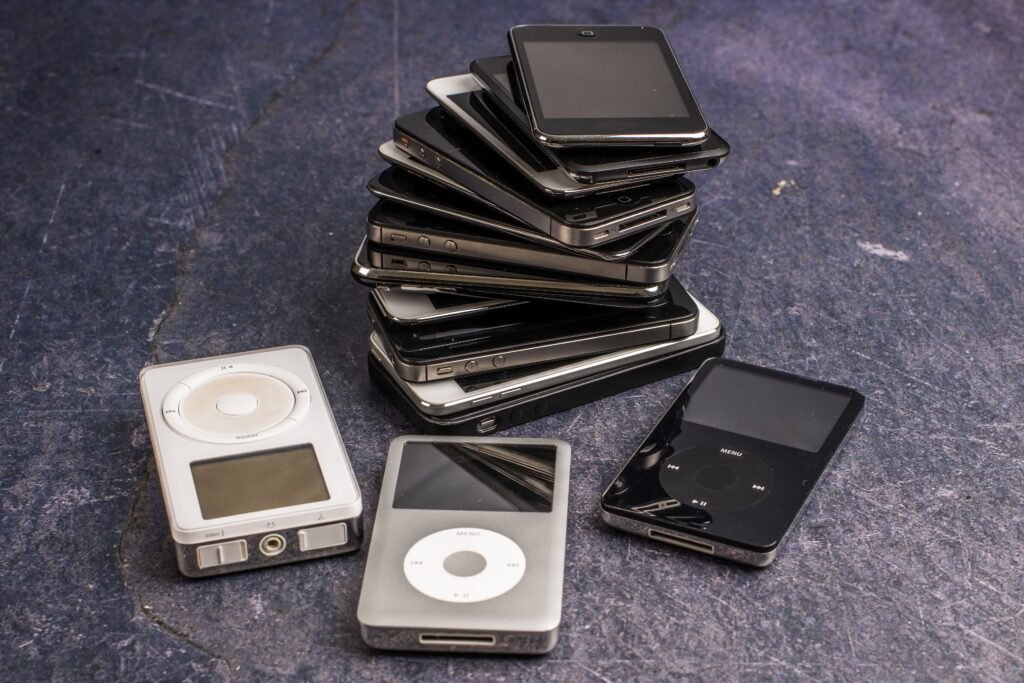
Apple does not send a press release when it changes its trade-in numbers. The table on its website simply updates one morning and everyone finds out afterward. That happened on August 6, and this round was unusually generous: most iPhone, iPad, Mac and Apple Watch models are now worth more than they were the day before, and a few jumped by close to 30 percent.
What Changed on iPhones
The iPhone list is where most people will look first, and the pattern is consistent: newer flagships gained the most, older models gained a little, and four models did not move at all.
| Model | New value | Was | Change |
|---|---|---|---|
| iPhone 16 Pro Max | $720 | $695 | +$25 |
| iPhone 16 Pro | $630 | $560 | +$70 |
| iPhone 16 Plus | $485 | $465 | +$20 |
| iPhone 16 | $480 | $460 | +$20 |
| iPhone 16e | $310 | $310 | No change |
| iPhone 15 Pro Max | $530 | $490 | +$40 |
| iPhone 15 Pro | $420 | $410 | +$10 |
| iPhone 15 Plus | $340 | $325 | +$15 |
| iPhone 15 | $335 | $320 | +$15 |
| iPhone 14 Pro Max | $405 | $375 | +$30 |
| iPhone 14 Pro | $335 | $320 | +$15 |
| iPhone 14 Plus | $235 | $235 | No change |
| iPhone 14 | $235 | $225 | +$10 |
| iPhone 13 Pro Max | $340 | $320 | +$20 |
| iPhone 13 Pro | $285 | $260 | +$25 |
| iPhone 13 | $205 | $195 | +$10 |
| iPhone 13 mini | $155 | $150 | +$5 |
| iPhone 12 Pro Max | $240 | $220 | +$20 |
| iPhone 12 Pro | $195 | $180 | +$15 |
| iPhone 12 | $135 | $125 | +$10 |
| iPhone 12 mini | $90 | $85 | +$5 |
| iPhone 11 Pro Max | $160 | $150 | +$10 |
| iPhone 11 Pro | $145 | $135 | +$10 |
| iPhone 11 | $110 | $100 | +$10 |
| iPhone XS Max / XS / XR | $95 / $70 / $90 | $90 / $65 / $80 | +$5 to +$10 |
| iPhone SE (3rd gen) / SE (2nd gen) | $85 / $45 | $80 / $45 | +$5 / no change |
| iPhone X / 8 Plus / 8 | $60 / $40 / $40 | $60 / $40 / $35 | No change except the 8 |
Macs Are Where the Real Money Moved
If you only read the iPhone table you would call this a routine adjustment. The Mac column is the story. Apple added $260 to the Mac Studio and $165 to the MacBook Pro, and the Mac mini went from $375 to $480, an increase of 28 percent that is the closest thing here to a headline number.
| Device | New value | Was | Change |
|---|---|---|---|
| Mac Studio | $1,305 | $1,045 | +$260 |
| Mac Pro | $2,195 | $2,045 | +$150 |
| MacBook Pro | $855 | $690 | +$165 |
| MacBook Air | $580 | $520 | +$60 |
| Mac mini | $480 | $375 | +$105 |
| iMac | $380 | $355 | +$25 |
| iPad Pro / iPad Air | $720 / $490 | $690 / $460 | +$30 each |
| iPad mini / iPad | $300 / $260 | $265 / $235 | +$35 / +$25 |
| Apple Watch Series 10 / Series 9 | $165 / $135 | $150 / $130 | +$15 / +$5 |
| Apple Watch Ultra 2 / Ultra | $305 / $205 | $305 / $205 | No change |
Not Everything Went Up
Apple also trades in Android phones, and that list tells a different story. Several models were added for the first time, including the Pixel 9 series at $210 to $315, the OnePlus 13 at $250 and the OnePlus 13R at $165, plus the Galaxy S21 Ultra 5G at $95.
At the same time, a handful of Android values slipped. The Galaxy S22 Ultra 5G dropped from $130 to $125, the Pixel 8 Pro fell from $165 to $155, and both the Pixel 7 Pro and Pixel 7 lost $5. Small numbers, but they cut against the idea that this was a blanket increase. Apple is repricing a market, not handing out gifts, and the direction of travel depends on how well each device holds resale value.
Why Now
Apple adjusts these figures a few times a year, so the timing is not mysterious in itself. The size of the jump is what stands out, and it lands a few weeks before Apple’s usual autumn hardware window.
Trade-in credit is one of the most effective tools Apple has for lowering the sticker shock of an upgrade. A person looking at a new Pro model does not compare it to zero, they compare it to the price after their old phone comes off the total. Raising that number by $40 or $70 shortly before a launch makes the same phone feel meaningfully cheaper without Apple ever discounting it, and it matters more than usual this year, with a foldable iPhone widely expected to arrive as the most expensive iPhone the company has ever sold. It fits neatly with what the next wave of foldables is being priced to do.
There is a second pressure worth naming. Component costs have been climbing, and the squeeze that the AI driven memory shortage has put on phone pricing is being felt across the industry. Used devices are worth more when new ones cost more, and a refurbished pipeline that Apple controls is a genuinely valuable asset in that environment.
Reading the Fine Print Before You Get Excited
Every number above is an “up to” figure. Apple is clear that the final offer depends on condition, model year and configuration, and that not every device qualifies for credit at all.
- Condition does most of the damage. A cracked screen, a failing battery or a bent frame can cut an offer sharply or push a device into the recycling bucket, which pays nothing.
- Configuration matters on Macs. That $1,305 Mac Studio number assumes a high specification machine. A base model will land well below it.
- It is store credit, not cash. Apple trade-in value applies to an Apple purchase or an Apple gift card. If you want money in a bank account, you are comparing against a different market.
- Third parties often pay more. Private sale, carrier promotions and specialist buyback services regularly beat Apple’s number, sometimes by a wide margin. What Apple sells is convenience, instant credit and no dealing with strangers.
- Values move again. These figures will be revised, and historically they tend to drop after a new generation launches. If your phone is already on the list, waiting for a further increase is a gamble that usually loses.
Should You Trade In Right Now?
If you were planning to upgrade this year anyway, this is a better week to check your number than last week was. The gap between an August trade-in quote and a November one, after new models land and older devices slide down the table, is usually the difference worth acting on.
If you are not upgrading, none of this is a reason to start. A phone that still does what you need is worth more in your pocket than the credit on Apple’s website, and the fastest way to lose money on hardware is to churn it against a discount that only exists if you spend more. It is worth checking what each current iPhone actually costs before deciding whether the maths works in your favor.
The honest summary: Apple made its upgrade path cheaper right before it needs people to take it. That is good news if you were already walking that way, and irrelevant if you were not.
About this article: GeekBlog covers U.S. technology news, AI, phones, smartwatches and gaming. Every story is written and checked under our Editorial Policy. Spotted a mistake or have a story tip? Contact our editors.
