Close Menu
GeekBlog

    Subscribe to Updates

    Get the latest creative news from FooBar about art, design and business.

    What's Hot

    The Trump Phone Is Still (Checks Notes) a Deflating Vortex of BS

    January 17, 2026

    I compared the two best LG OLED TV models on the market right now – there’s a surprise winner

    January 17, 2026

    Petlibro Discount Codes and Deals: Save Up to 50%

    January 17, 2026
    Facebook X (Twitter) Instagram Threads
    GeekBlog
    • Home
    • Mobile
    • Tech News
    • Blog
    • How-To Guides
    • AI & Software
    Facebook
    GeekBlog
    Home»Tech News»Diabetic Man With Gene-Edited Cells Produces His Own Insulin—No Transplant Drugs Required
    Tech News

    Diabetic Man With Gene-Edited Cells Produces His Own Insulin—No Transplant Drugs Required

    Michael ComaousBy Michael ComaousAugust 8, 20253 Mins Read
    Share Facebook Twitter Pinterest LinkedIn Tumblr Email Copy Link
    Diabetic Man With Gene-Edited Cells Produces His Own Insulin—No Transplant Drugs Required
    Share
    Facebook Twitter LinkedIn Pinterest Email Copy Link

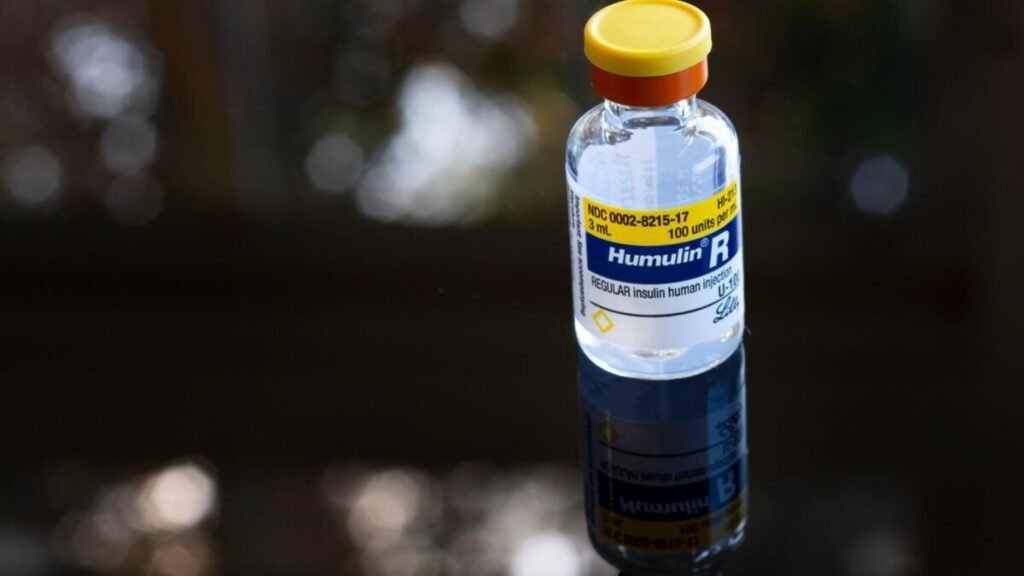
    A new case study offers a tantalizing glimpse into the potential future of transplantation medicine. A man with type 1 diabetes is now able to make his own insulin thanks to a transplant of gene-edited pancreatic cells—a transplant that hasn’t required the typical drugs used to avoid rejection.

    Scientists in Sweden and the U.S. conducted the research, published this week in the New England Journal of Medicine. The 42-year-old man with long-standing diabetes was given donated islet cells that were genetically modified via CRISPR to prevent immune rejection. Roughly four months after the procedure, his fully gene-edited cells have continued to produce insulin without provoking an immune response.

    “Our study, although preliminary, suggests that immune evasion is an alternative concept for the circumvention of allorejection,” the authors wrote in the paper.

    People with type 1 diabetes have immune systems that destroy the pancreatic cells responsible for making insulin. The condition can be managed with regular doses of synthetic insulin, but people’s health still tends to worsen over time. Recently, scientists have been studying whether donated islet cell transplants can provide a self-sustained replacement supply of insulin for type 1 diabetics—an effective cure, in other words, provided the cells can survive long-term.

    Early clinical trials of the technology have looked promising so far, but these transplants still require lifelong immunosuppressive therapy to ensure the host’s body doesn’t go after the donated cells. Effective as these drugs are, they have their well-known drawbacks, such as weakening people’s immunity to actual threats like infections.

    The study researchers have been experimenting with a unique approach to sidestep the need for these drugs. They first tested it on mice and monkeys, with this new case being the first test in humans.

    They created three specific edits in the donated cells, all intended to quiet the most likely responses from the immune system. Two of the edits deplete the cells’ supply of HLA class I and II antigens, proteins that tell our T cells whether another cell is foreign or not. A third edit causes the donated cells to make more of another protein called CD47 that inhibits the activity of other immune cells that would normally target them.

    The researchers injected the modified cells into the man’s forearm. The edits weren’t completely successful in some of the cells, and the man’s immune system quickly killed off these cells. But as hoped, his body left the fully edited cells alone, even without immunosuppressants. The surviving cells produced insulin as normal, and the man appeared to be doing well 12 weeks later. He did experience several adverse events, but none were serious or linked to the transplanted cells themselves (he had mildly inflamed veins where a catheter was placed, for instance).

    This study is only a proof of concept, geared more at showing the procedure can be done safely than at proving it actually works. The man was given a relatively low dose of the donated cells, likely too low for his body to produce enough insulin on its own to no longer need treatment. Follow-up is also needed to know whether these cells can survive long-term.

    But there’s much to be encouraged about. And it’s the latest sign that scientists are truly on the verge of making type 1 diabetes curable. Other research teams have shown early success in using similar transplants to cure the condition, including some that have also avoided needing immunosuppressant therapy.

    Cells Diabetic drugs GeneEdited InsulinNo Man Produces Required Transplant
    Share. Facebook Twitter Pinterest LinkedIn Tumblr Telegram Email Copy Link
    Previous ArticleBugatti Brouillard Unveiled: First One-of-One Masterpiece From Programme Solitaire
    Next Article Apple to take on ChatGPT with its own chatbot
    Michael Comaous
    • Website

    Michael Comaous is a dedicated professional with a passion for technology, innovation, and creative problem-solving. Over the years, he has built experience across multiple industries, combining strategic thinking with hands-on expertise to deliver meaningful results. Michael is known for his curiosity, attention to detail, and ability to explain complex topics in a clear and approachable way. Whether he’s working on new projects, writing, or collaborating with others, he brings energy and a forward-thinking mindset to everything he does.

    Related Posts

    3 Mins Read

    The Trump Phone Is Still (Checks Notes) a Deflating Vortex of BS

    6 Mins Read

    I compared the two best LG OLED TV models on the market right now – there’s a surprise winner

    4 Mins Read

    Petlibro Discount Codes and Deals: Save Up to 50%

    2 Mins Read

    Rackspace customers grapple with “devastating” email hosting price hike

    5 Mins Read

    AI cloud startup Runpod hits $120M in ARR — and it started with a Reddit post  

    3 Mins Read

    Google is appealing a judge’s search monopoly ruling

    Top Posts

    The Mesh Router Placement Strategy That Finally Gave Me Full Home Coverage

    August 4, 2025292 Views

    Past Wordle answers – all solutions so far, alphabetical and by date

    August 1, 2025171 Views

    Grok rolls out AI video creator for X with bonus “spicy” mode

    August 7, 2025123 Views
    Stay In Touch
    • Facebook

    Subscribe to Updates

    Get the latest tech news from FooBar about tech, design and biz.

    Most Popular

    The Mesh Router Placement Strategy That Finally Gave Me Full Home Coverage

    August 4, 2025292 Views

    Past Wordle answers – all solutions so far, alphabetical and by date

    August 1, 2025171 Views

    Grok rolls out AI video creator for X with bonus “spicy” mode

    August 7, 2025123 Views
    Our Picks

    The Trump Phone Is Still (Checks Notes) a Deflating Vortex of BS

    January 17, 2026

    I compared the two best LG OLED TV models on the market right now – there’s a surprise winner

    January 17, 2026

    Petlibro Discount Codes and Deals: Save Up to 50%

    January 17, 2026

    Subscribe to Updates

    Get the latest creative news from FooBar about art, design and business.

    Facebook
    • About Us
    • Contact us
    • Privacy Policy
    • Disclaimer
    • Terms and Conditions
    © 2026 GeekBlog

    Type above and press Enter to search. Press Esc to cancel.

    Ad Blocker Enabled!
    Ad Blocker Enabled!
    Our website is made possible by displaying online advertisements to our visitors. Please support us by disabling your Ad Blocker.