

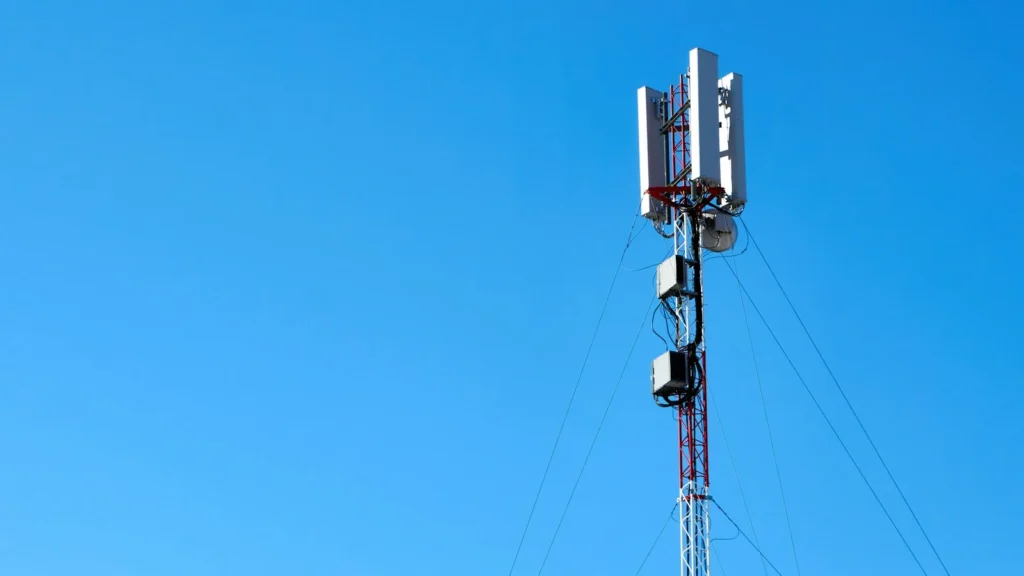
Between April 2021 and May 2022, someone kept setting cell towers on fire around San Antonio, Texas. Federal prosecutors say it was Sean Aaron Smith, a local man who held anti 5G beliefs, and in court filings they tied him to as many as 22 tower fires. Smith pleaded guilty to six arson counts and two firearm counts and was sentenced in January 2024 to 78 months in federal prison. Here is what the official record shows, and why the 5G health fears behind the attacks do not hold up.
What happened in San Antonio
According to the US Attorney’s Office for the Western District of Texas, Smith tried to set fire to multiple cell towers around San Antonio between April 2021 and May 2022. Police arrested him during a traffic stop on May 13, 2022, and found a handgun on the floor in front of the driver’s seat. Two days later, investigators searched his apartment under a warrant and found more firearms. Because Smith had two prior felony convictions, he was not allowed to have guns.
The case was investigated by the San Antonio Fire Department Arson Squad, the FBI San Antonio Division, the San Antonio Police Department, the Texas Department of Public Safety and the Texas Rangers.
Six counts, and the figure of 22
Smith’s guilty plea covered six tower arsons. The higher number comes from the prosecution’s sentencing materials. As reported from court records, the government relied on the opinion of a San Antonio Fire Department arson investigator that the method used in 16 other tower fires matched the six Smith admitted, and that one person was responsible for all 22. That figure is the prosecution’s position; Smith was convicted on the six counts in his plea.
| Date | Event |
|---|---|
| April 2021 to May 2022 | Period in which prosecutors say the tower fires were set |
| May 13, 2022 | Arrest during a traffic stop, handgun found in the car |
| May 15, 2022 | Search of his apartment turns up more firearms |
| August 17, 2023 | Guilty plea to six arson counts and two felon in possession counts |
| January 24, 2024 | Sentenced to 78 months in federal prison |
US Attorney Jaime Esparza said his office would not tolerate attacks on critical infrastructure aimed at shutting down the cellular phone system. FBI Acting Special Agent in Charge Doug Olson said Smith acted in support of his anti 5G ideology and warned that attacks on a community’s infrastructure can have devastating effects.
Why attacks on cell towers are so serious
Cell towers are not just about streaming and social media. They carry emergency calls, alerts and the data that hospitals, police and families depend on. A burned tower can leave a neighborhood with weak or no coverage until it is repaired, which is exactly when someone might need to call 911. That is why prosecutors treat these fires as attacks on critical infrastructure, and why each federal arson count in a case like this carries a possible sentence of 5 to 20 years.
What health authorities say about 5G
The fear driving cases like this one is that 5G radio waves damage health or even spread disease. The official science does not support that.
- World Health Organization: the WHO says that to date, after much research, no adverse health effect has been causally linked with exposure to wireless technologies. It explains that heating is the main way radio waves interact with the body, and that current exposure levels cause a negligible rise in temperature.
- 5G exposure levels: the WHO says exposure from 5G around 3.5 GHz is similar to that from existing mobile base stations, and that international exposure guidelines cover frequencies up to 300 GHz.
- COVID claims: during the pandemic the WHO stated plainly that 5G networks do not spread COVID, that viruses cannot travel on radio waves or mobile networks, and that the virus spread in many countries with no 5G at all.
- Federal Communications Commission: the FCC says no scientific evidence establishes a causal link between wireless device use and cancer or other illnesses, and that its exposure limits include a considerable safety margin.
Both agencies still support ongoing research into long term effects, which is normal for any widely used technology. Supporting more study is not the same as finding harm, and conspiracy claims often blur that difference.
How 5G conspiracy theories spread
5G arrived at the same moment as the COVID pandemic, and that coincidence gave conspiracy theories an easy story. New towers appeared, people got sick, and online posts connected the two without evidence. For most people the result is just confusion. For a small number, as this case shows, it can turn into dangerous action.
FAQ
Who set fire to the San Antonio cell towers?
Sean Aaron Smith pleaded guilty to six counts of arson of cellphone towers in San Antonio. Prosecutors argued that he was responsible for 22 fires in total.
What sentence did he receive?
In January 2024 he was sentenced to 78 months, or six and a half years, in federal prison for the arson and firearm counts.
Is 5G dangerous to health?
According to the WHO and the FCC, no adverse health effect has been causally linked to wireless technologies, and exposure stays within international safety guidelines.
Can 5G spread viruses?
No. The WHO says viruses cannot travel on radio waves or mobile networks.
The verdict
The San Antonio tower fires show how a false health scare can turn into real damage to the networks people rely on in emergencies. The court record is clear about what Smith admitted, and the scientific record is clear that 5G does not cause disease or spread viruses.
Updated October 2026: rewritten as an explainer based on Justice Department records and WHO and FCC guidance on 5G safety.
Featured photo: Vyacheslav Shatskiy on Unsplash.
About this article: GeekBlog covers U.S. technology news, AI, phones, smartwatches and gaming. Every story is written and checked under our Editorial Policy. Spotted a mistake or have a story tip? Contact our editors.
