

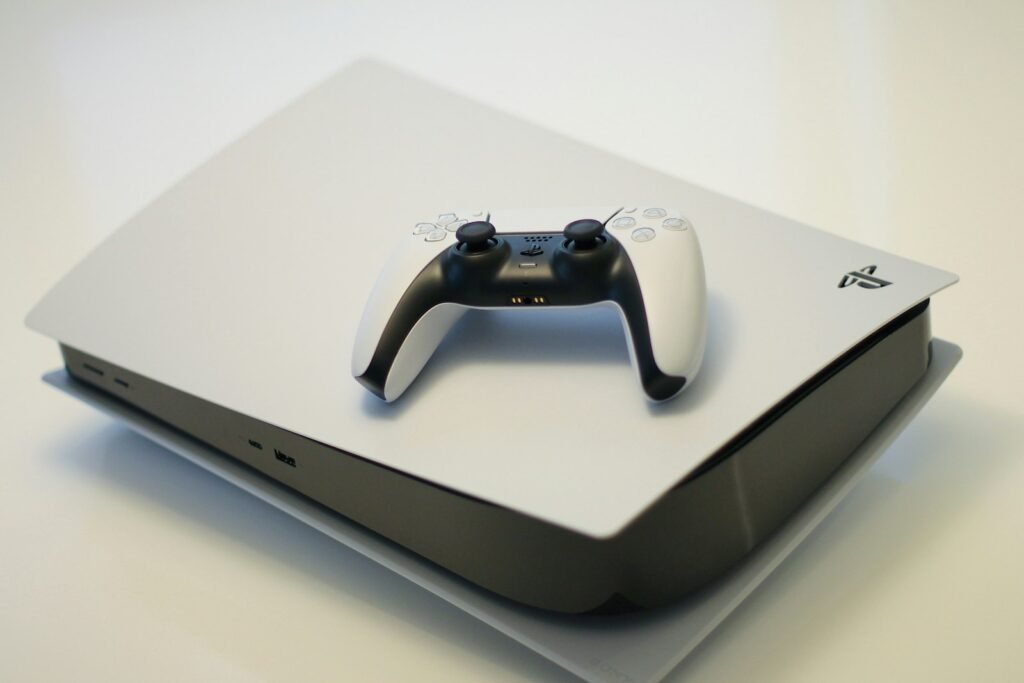
Sony raised the price of the PS5 twice in eight months. It blamed the global economic landscape. Then the Supreme Court ruled that the tariffs behind much of that landscape were never legal in the first place, and the US government began handing money back.
Sony’s share of that money is roughly $508 million. This week its lawyers told a federal court exactly how much of it PlayStation owners are entitled to: nothing. The filing has landed badly enough that Sony’s own fans are describing it as self sabotage.
The short version
- The refund: Sony projected about $508 million back from the US government, with roughly $356 million already collected between April and June
- The lawsuits: Class actions filed against Sony in May and Microsoft in July argue buyers overpaid because of tariffs and should share in the refunds
- The defense: Sony calls the claim “speculative and illogical” and says paying fair market price for something you chose to buy is not a legal injury
- The clever bit: Sony points to its own April 2026 price increase, after the tariffs were struck down, as proof the hikes were never about tariffs
- The contrast: Panic, maker of the Playdate, automatically refunded $12.36 to every customer who paid a tariff surcharge
How the money got here
On February 20, 2026, the Supreme Court ruled 6 to 3 that the International Emergency Economic Powers Act does not give a president the authority to impose tariffs. The power to tax imports, the Court held, belongs to Congress under Article I. The tariffs collected under that authority had been collected without a legal basis.
That decision opened the door to refunds estimated across the whole economy at up to $175 billion. It did not order anyone to pass those refunds along to consumers, and that omission is the entire fight.
Sony imported consoles, paid the tariffs, raised prices during the period the tariffs were in force, and has now been reimbursed. Buyers who paid the higher prices watched the money go out of their pockets and come back into Sony’s. You do not need a law degree to see why that felt like an unfinished transaction.
The price timeline Sony is asking you to read differently
The heart of Sony’s legal argument is a sequence of dates, so it is worth laying them out plainly.
| When | What happened | PS5 with disc drive |
|---|---|---|
| November 2020 | PS5 launches | $499.99 |
| August 21, 2025 | First increase, during the peak tariff period | $549.99 |
| February 20, 2026 | Supreme Court strikes down the IEEPA tariffs | $549.99 |
| April 2026 | Second increase, after the tariffs were gone | $649.99 |
| April to June 2026 | Sony collects roughly $356 million of its refund | $649.99 |
| September 2026 | Sony moves to dismiss the consumer lawsuits | $649.99 |
The Digital Edition followed the same curve, going from $399.99 at launch to $499.99 and then to $599.99. The PS5 Pro jumped from $749.99 to $899.99. A base console that cost $499.99 in 2020 costs $649.99 today, a 30 percent increase on a machine that is now six years into its life cycle, at a point in the generation where consoles have historically gotten cheaper.
Sony’s argument, and why it is smarter than it looks
Sony’s filing makes two moves. The first is technical. “Paying fair market price for voluntarily purchased consumer goods is not a legally cognizable injury,” its lawyers wrote, calling the connection between price hikes and tariff costs “speculative and illogical.” In plain terms: you saw the price, you chose to pay it, you got the console. There is no injury to sue over.
The second move is the one doing real work. Sony argues that its own April 2026 price increase disproves the premise of the lawsuits. “If tariffs were the cause of the recent price increases, one would expect [PlayStation] to lower prices once the tariffs were eliminated, not raise them again,” the filing says. Sony instead attributes pricing to “inflation, currency fluctuations, component costs, logistics, competitive dynamics, or demand.”
As litigation strategy this is effective. Proving that a specific dollar of a console’s price came from a specific tariff is genuinely hard, and Sony has handed the court a clean counter narrative. Memory prices really have spiked, and component costs really are a factor.
As public relations it is close to self immolating, because the argument reduces to a sentence no customer wants to hear: we raised prices during the tariffs, and we raised them again after the tariffs ended, and neither one was ever really about tariffs.
Sony is not alone here
- Nintendo filed its motion to dismiss on July 20, 2026
- Microsoft filed on August 21, 2026, arguing there is “nothing unjust” about a buyer paying an advertised price and receiving exactly what was advertised
- No judge has ruled yet on any of the three motions, so the legal question is still genuinely open
The company that just paid people back
The reason this story has teeth is Panic, the small Portland studio behind the Playdate handheld. Panic had added a visible tariff surcharge at checkout. When its own refund arrived, it did not wait for a lawsuit or a ruling. It automatically returned $12.36 to every customer who had paid that surcharge.
Twelve dollars is not $508 million. That is exactly the point. Panic demonstrated that the mechanism exists, that a company can identify who paid the surcharge and send the money back, and that doing so is a choice rather than a legal impossibility.
Why this one stuck to Sony
Companies win motions to dismiss all the time without anyone noticing. This filing landed differently because of what preceded it.
PlayStation is a few months removed from confirming it will end support for physical games after January 2028, a decision that reopened a long running argument about what console owners actually own. That argument got sharper when Sony’s own terms made the position explicit, something we covered when Sony reminded everyone that digital games are licensed rather than sold. Against that backdrop, a legal brief explaining that customers have no claim on refunded money reads as another entry in a pattern rather than an isolated court filing.
The reaction has been blunt. One widely shared comment said Sony’s “PR team should just close their mouths at this point,” describing the run of announcements as self sabotage. That is not a considered legal critique, but it is an accurate read of the mood, and mood is what sells consoles.
What happens next
Three motions to dismiss are pending against three console makers, and none has been decided. If the courts side with Sony, Microsoft and Nintendo, the refunds stay on corporate balance sheets and the matter ends there. If even one survives, the discovery process would force these companies to explain, in documents, how tariffs actually factored into their pricing decisions. That is a conversation none of them want on the record.
What almost certainly will not happen is a price cut. Refunds flow to importers, not to shelves, and there is no mechanism that turns a government reimbursement into a lower sticker price. That pattern held everywhere the tariff ruling touched, including the car market, where the Supreme Court decision did not bring prices back to earth either.
The honest read
Sony is probably right about the law. Tracing a specific price increase to a specific tariff is difficult, courts are skeptical of consumer claims built on that kind of inference, and the April 2026 hike genuinely does complicate the plaintiffs’ story.
Sony is also asking the public to accept a fairly uncomfortable position: that the price went up during the tariffs for reasons unrelated to tariffs, went up again after they ended for those same unrelated reasons, and that the half billion dollars arriving from the Treasury has nothing to do with anyone who bought a console. Every individual sentence there can survive a legal challenge. Together they explain why the April price increase is still the number PlayStation owners bring up first, and why a $12.36 refund from a company most people have never heard of is doing more reputational damage to Sony than the lawsuits ever will.
