

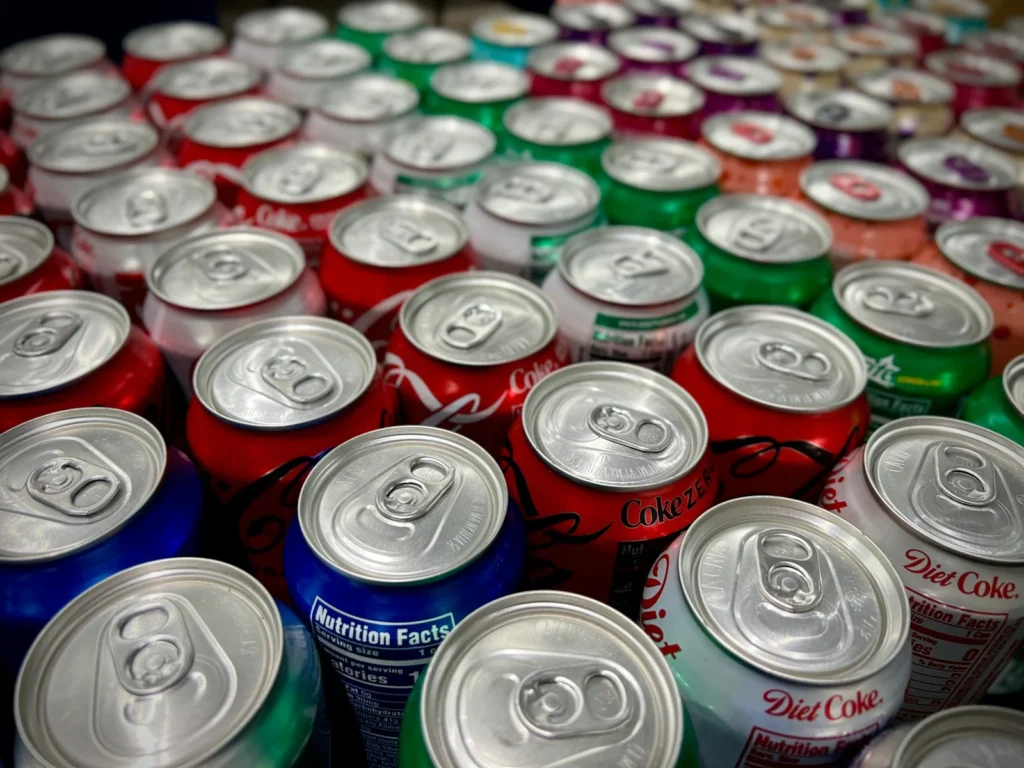
Crushing a can before it goes in the bin feels like good recycling. At many sorting plants it does the opposite. Modern recycling facilities identify materials partly by shape, and a flat can is easy to misroute. Here is how to recycle aluminum and steel cans so they actually get turned into new cans.
Why you should not crush cans
Most US cities use single stream recycling, where everything arrives mixed at a materials recovery facility. Screens and conveyors separate flat items such as paper from round items such as cans and bottles. A can crushed flat can ride along with paper and contaminate a bale that a paper mill will reject. Round cans reach the eddy current separator that pulls out aluminum, which is exactly where you want them.
Deposit machines in bottle bill states also need to read the barcode and recognize the shape, so crushed cans are often refused there too.
Which cans you can recycle
- Beverage cans: soda, beer, sparkling water and energy drinks, tabs included.
- Food cans: soup, vegetables, beans and pet food cans, which are usually steel.
- Aerosol cans: only when completely empty. Remove plastic caps.
- Paint cans: only empty or fully dried latex paint, and only if your city accepts them. Oil based paint goes to hazardous waste drop off.
How to prepare cans, step by step
- Empty it. Leftover liquid or food contaminates paper and cardboard in the same truck.
- Give it a quick rinse. A swirl of water is enough. It does not need to be spotless.
- Leave the tab on. Tabs are the same aluminum and are recycled with the can.
- Handle lids safely. Cut food can lids all the way off, put the lid inside the same can and pinch the top closed so nobody gets cut.
- Keep it loose. Plastic bags jam sorting machines. Put cans directly in the bin.
Deposit states pay you for cans
Ten states run bottle deposit programs: California, Connecticut, Hawaii, Iowa, Maine, Massachusetts, Michigan, New York, Oregon and Vermont. Deposits are typically 5 or 10 cents per can, and Michigan pays 10 cents. Return cans uncrushed to a store machine or redemption center to get your money back.
Why aluminum is worth the effort
Aluminum can be melted and reused again and again without losing quality.
Making a can from recycled aluminum uses about 95% less energy than making it from raw ore.
A recycled can can be back on a store shelf in as little as two months.
Even so, only around four in ten US aluminum beverage cans get recycled. The rest are landfilled, which throws away a material that recyclers actually want to buy.
FAQ
Do I have to remove the paper label from food cans?
No. Labels burn off during melting. Rinsing is more important than peeling.
Can I recycle dented or rusty cans?
Yes. Dents and surface rust do not matter. Just keep them as round as possible.
What about cans with plastic liners?
Almost every food and drink can has a thin liner. Recycling plants handle it, so recycle them normally.
Are the rules the same everywhere?
Not exactly. Check your city or hauler’s website, especially for aerosols and paint cans, which vary the most.
The verdict
Empty, rinse, leave it round and drop it in loose. That is all it takes for a can to come back as a new can instead of ending up in a landfill or ruining a bale of paper.
Updated October 2026: rewritten with deposit state details, prep steps and why crushed cans cause sorting problems.
Featured photo: Charlie Wollborg on Unsplash.
About this article: GeekBlog covers U.S. technology news, AI, phones, smartwatches and gaming. Every story is written and checked under our Editorial Policy. Spotted a mistake or have a story tip? Contact our editors.
