

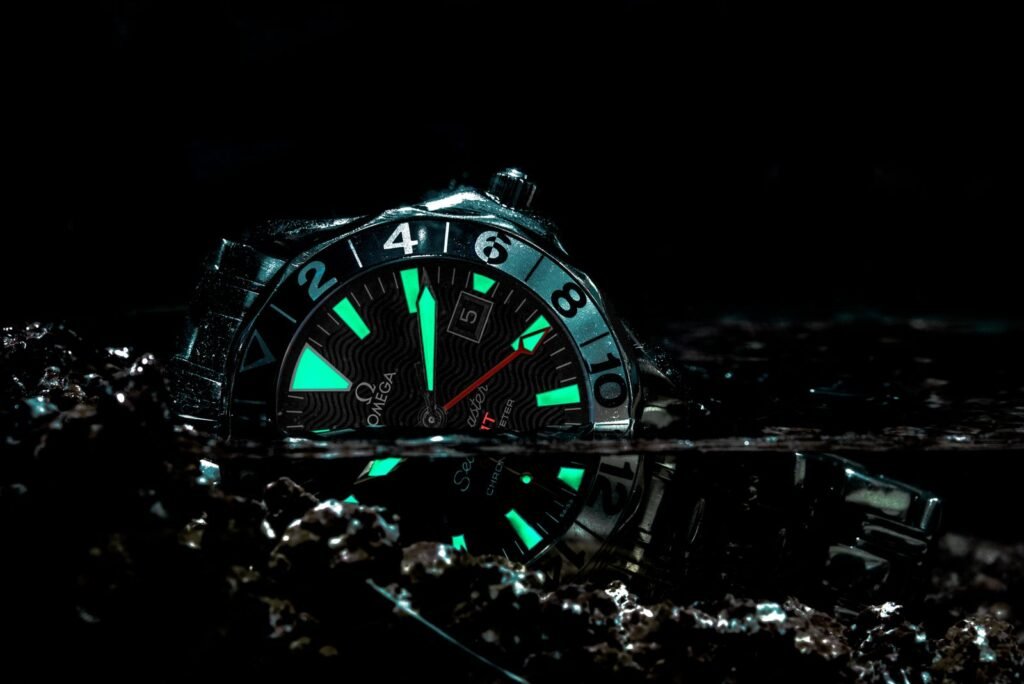
“Waterproof” is printed on the box of almost every smartwatch sold today, and it is almost never true. What most of these watches actually have is a water resistance rating, a specific, testable limit on how much water and pressure the case can handle before it lets moisture in. The gap between those two words is exactly why a watch that survived two years of daily showers can die the first time someone takes it into a pool.
The confusing part is that manufacturers use two completely different rating systems, IP codes and ATM, and they do not translate into each other the way most buyers assume. This guide breaks down what 5 ATM and IP68 actually certify, how the major waterproof smartwatch options compare in 2026, and the small habits that quietly wear down water resistance over time even on a watch that is rated for it.
Short answer
No consumer smartwatch is truly waterproof, only water resistant to a specific depth and duration. For swimming, look for at least 5 ATM or an IP68 rating that the brand explicitly backs up with a swim claim, since IP68 alone tests still water, not the moving pressure of a stroke. Fitbit Charge 6, Google Pixel Watch 4, Samsung Galaxy Watch 8, and the Apple Watch Series 11 all clear that bar at 50 meters. For open water swimming or light diving, the Apple Watch Ultra 3 and Garmin’s Forerunner and fenix lines go further. Cheap watches rated IP68 alone, without an ATM number, are usually fine for rain and handwashing but not for laps.
What ATM and IP68 Actually Certify
The two labels measure different things, and neither one is a simple stand in for “how deep can this go.”
- IP ratings (IEC 60529). A two digit code where the first number covers dust and particles on a 0 to 6 scale, and the second covers liquids on a 0 to 9 scale. IP68 means full dust protection plus protection against continuous submersion, but the depth and time are set by each manufacturer’s own testing, not a fixed standard. Two watches can both say IP68 and tolerate very different amounts of actual water.
- ATM ratings (ISO 22810). Built specifically for watches, ATM tests sustained pressure rather than a still tank of water. A 5 ATM rating means the case can handle pressure equivalent to 50 meters of depth, which is a reasonable proxy for the pressure changes that happen during an actual swim stroke, not a promise that the watch works at 50 meters underwater.
That is the practical difference: ATM was built around moving water and real swimming, while a bare IP68 rating was built around dust and still water. A watch with only IP68 and no ATM number can often survive a splash, a spilled coffee, or a rinse under the tap, but manufacturers frequently do not recommend it for swimming precisely because the test never simulated a stroke.
| Rating | What It Certifies | Safe For | Not Safe For |
|---|---|---|---|
| IPX7 / IP67 | Still water submersion up to 1 meter for about 30 minutes | Rain, spills, an accidental drop in the sink | Swimming, showers, any moving water |
| IP68 (alone) | Still water beyond 1 meter, depth and duration set by the maker | Handwashing, light rain, brief dunks | Swimming laps, hot showers, diving |
| 3 ATM | Light splash resistance, despite what “30 meters” implies | Washing hands, getting caught in the rain | Swimming, showering |
| 5 ATM | Sustained pressure equal to 50 meters depth | Swimming, showering, surface snorkeling | Scuba diving, water skiing, high dives |
| 10 ATM and higher | Sustained pressure equal to 100 meters depth or more | Swimming, surfing, recreational snorkeling | Scuba diving, unless separately rated under EN13319 |
How the 2026 Smartwatches Actually Compare
Here is where the marketing language and the real spec sheets line up for the watches people actually buy in 2026.
| Watch | Rating | Depth Equivalent | Swim Safe | Price |
|---|---|---|---|---|
| Amazfit Bip 5 | IP68 only | About 1.5 m, splash and rain | No | About $50 |
| Fitbit Charge 6 | 5 ATM (ISO 22810) | 50 m | Yes | About $160 |
| Google Pixel Watch 4 | IP68 + 5 ATM | 50 m | Yes | About $350 |
| Samsung Galaxy Watch 8 | IP68 + 5 ATM | 50 m | Yes | About $350 |
| Apple Watch Series 11 | WR50 (ISO 22810) | 50 m | Yes | About $399 |
| Garmin Forerunner 970 | 5 ATM | 50 m | Yes | About $750 |
| Apple Watch Ultra 3 | WR100 + EN13319 | 100 m, recreational dive rated | Yes | About $799 |
| Garmin Descent G1 / Mk3 | Dive computer, EN13319 | 200 m case rating | Yes, built for scuba | $1,000 and up |
The Best Waterproof Smartwatches by Use Case
Best overall: Samsung Galaxy Watch 8 or Apple Watch Series 11
For most people who swim laps a few times a week and shower without a second thought, both watches land in the same practical spot: IP68 plus 5 ATM, good to 50 meters, with software that automatically locks the touchscreen and ejects water from the speaker afterward. If you are already comparing the two ecosystems, our full Galaxy Watch8 review covers how that water lock feature behaves in real pool sessions, alongside everything else the watch does.
Best for serious swimmers: Garmin Forerunner 970 or Venu X1
Garmin’s fitness lineup treats 5 ATM as a baseline rather than a headline feature, and pairs it with pool length auto detection, stroke type recognition, and open water GPS tracking that most general purpose smartwatches skip entirely. If the Forerunner’s price is more than you want to spend, the Garmin Venu X1 carries the same 5 ATM rating with a friendlier everyday design.
Best for open water and light diving: Apple Watch Ultra 3
The Ultra 3 is the rare mainstream smartwatch with an actual EN13319 recreational dive certification, not just a deeper ATM number. Paired with the Oceanic+ app, it tracks depth, ascent rate, and no-decompression limits for recreational diving down to 40 meters, well beyond anything a standard fitness watch is built to attempt.
Best for scuba: Garmin Descent G1 or Mk3
These are dive computers first and smartwatches second, with a 200 meter case rating and full support for technical and recreational scuba, not just recreational limits. If you actually dive with tanks rather than just snorkel, this is the category to shop in, not the general smartwatch aisle.
Best budget pick that is honest about its limits: sub $50 watches
Most watches in this price range only carry an IP68 rating with no ATM number attached, and the manufacturer’s own fine print usually says as much. That is fine for rain, sweat, and handwashing, but treat swimming as a gamble rather than a guarantee. If you want a cheap watch that is actually built for daily water exposure, check the spec sheet for an explicit ATM number before buying. Our roundup of the best smartwatches under $50 flags which budget picks clear that bar and which ones do not.
Habits That Quietly Ruin Water Resistance
A rating is a snapshot from the day the watch left the factory, not a permanent guarantee. Rubber seals and adhesives age, and a handful of everyday habits speed that up more than actual swimming does.
- Hot showers and saunas. Heat makes the internal seals expand slightly, which can let steam and moisture past a gasket that would have held up fine in cold water. Most brands specifically warn against hot showers even on a 5 ATM watch.
- Soap, shampoo, and sunscreen. These break down the rubber gaskets over months of contact, which is a slower failure than a single dunk but just as real. Rinse the watch, do not lather it.
- Skipping the post swim rinse. Chlorine and salt residue left to dry in the seams works its way toward the seals over time. A quick rinse under fresh tap water after every pool or ocean swim resets that clock.
- Pressing buttons underwater. On many watches, especially rotating crowns and side buttons, pressure applied mid submersion is more likely to force water past a seal than the water itself is.
- Old batteries and drops. A cracked case or a swollen battery compartment breaks the seal instantly, no matter what the original rating said. Any physical damage resets the water resistance to zero until it is repaired.
What to do if water gets in anyway
Turn the watch off, do not charge it, and do not try to dry it with heat from a hairdryer or in rice, which mostly just delays the problem. Tap the screen lightly to check for a fogged display, let it air dry somewhere warm and ventilated for at least 24 hours, and only power it back on afterward. If moisture is visible under the glass or the speaker sounds muffled days later, that is a sign the seal has actually failed and a repair, not a rating, is what fixes it.
Frequently Asked Questions
Is 5 ATM the same as 50 meters of actual depth?
Not quite. A 5 ATM rating means the case can handle pressure equivalent to a static depth of 50 meters, which is a lab test standard, not a promise that the watch works if you actually swim 50 meters underwater. Treat it as a safety margin for swimming and showering, not a diving spec.
Can I shower with a smartwatch rated 5 ATM or IP68 plus 5 ATM?
Generally yes for a quick, lukewarm shower, but most manufacturers still advise against hot showers and steam because heat affects the seals over time. Soap and shampoo residue is also worth rinsing off afterward rather than leaving on the case.
Does IP68 alone mean a watch is safe for swimming?
Not by itself. IP68 tests still water submersion, and manufacturers set their own depth and duration for that test. Unless the brand pairs it with an ATM number or an explicit swim claim, treat an IP68 only rating as splash and rain protection, not a swimming certification.
Do water resistance ratings expire or wear out?
Effectively yes. The rating describes the watch when it was new. Seals age, gaskets compress, and any drop or crack can break the seal instantly. Many watchmakers recommend having water resistant seals inspected every one to two years on watches you rely on for regular swimming.
Bottom Line
No smartwatch on the market is actually waterproof, and the ones that come closest earn it through a specific, testable ATM rating rather than a reassuring word on the box. For daily swimming and showering, anything rated 5 ATM, ideally paired with IP68, covers the vast majority of people, and the Galaxy Watch 8, Pixel Watch 4, and Apple Watch Series 11 all clear that bar without a premium price tag. Open water swimmers and light divers should look higher, at the Apple Watch Ultra 3 or Garmin’s Forerunner and fenix lines, and anyone diving with tanks should skip smartwatches entirely in favor of a dedicated dive computer like the Garmin Descent. Whatever you buy, the rating on the spec sheet is only the starting point. Rinsing off chlorine, skipping hot showers, and checking the seals after a drop will decide whether that rating still means anything a year from now.
