

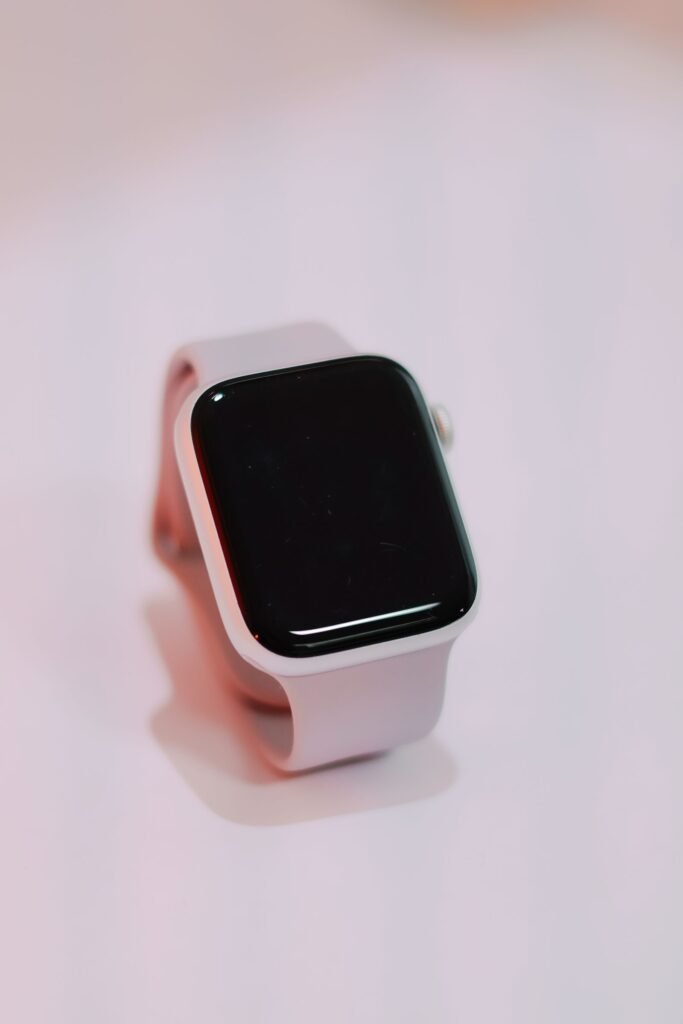
The best smartwatch under $50 for most people is the Xiaomi Smart Band 10, a slim AMOLED fitness band that nails the fundamentals — bright screen, three-week battery, reliable notifications — for a price that regularly lands in the low $40s. If you want a full watch-style face instead of a band, the Redmi Watch 5 and Amazfit Band 7 are the two other picks worth your money at this price.
Spending under $50 on a smartwatch used to mean buying junk. In 2026 that is no longer true — but you do need to know what you are actually getting. At this price you are buying a fitness-focused wearable, not a wrist computer. There is no built-in GPS, the cases and straps are plastic, and heart-rate and sleep accuracy are “good enough for trends,” not medical-grade. Below are the models genuinely worth buying, ranked, followed by an honest look at the compromises.
Best overall under $50: Xiaomi Smart Band 10
Mini-verdict: The most polished budget wearable you can buy, and the one I recommend to almost everyone with $50 or less to spend.
Xiaomi’s Smart Band line has been the default budget pick for years, and the tenth generation refines a formula that already worked. You get a 1.72-inch AMOLED display that is genuinely bright and readable outdoors, a comfortable sub-20-gram band, 5ATM water resistance for swimming, and battery life in the neighborhood of 21 days with typical use (less if you leave the always-on display running). Notifications from calls, texts, and apps come through reliably, and the Mi Fitness app is clean and free of the aggressive upsells you see elsewhere.
The catch is the same one that applies to every band at this price: there is no built-in GPS. The Band 10 uses “connected GPS,” borrowing your phone’s location for run and walk maps, so you have to carry your phone to get accurate distance and route data. Heart rate is fine for resting and steady cardio but drifts during high-intensity intervals. For the money — routinely in the low $40s and rarely above $50 — none of that changes the recommendation. This is the budget wearable to beat.
Best fitness band: Amazfit Band 7
Mini-verdict: A featherweight tracker with a big screen for the class and built-in Alexa, ideal if you want a true “set it and forget it” band.
The Amazfit Band 7 is Xiaomi’s most direct rival and wins on a couple of points. Its 1.47-inch AMOLED screen is one of the larger displays you will find on a sub-$50 band, and battery life is strong at up to roughly 18 days. It also includes built-in Amazon Alexa, so you can set timers, check the weather, and control smart-home gear from your wrist — a genuinely useful feature that is rare this cheap. The Zepp app offers detailed sleep breakdowns and a readiness-style score.
Like the Xiaomi, it relies on connected GPS and plastic construction, and its heart-rate sensor is best treated as a trend indicator rather than a precise reading. But if your priority is a lightweight, long-lasting fitness band that disappears on your wrist, the Band 7 is the pick. It frequently sells around $40 to $50.
Best display: Redmi Watch 5
Mini-verdict: The closest thing to a “real smartwatch” look under $50, thanks to a large, gorgeous AMOLED screen.
If a slim band feels too much like a fitness tracker and you want an actual watch on your wrist, the Redmi Watch 5 delivers. Its standout feature is a spacious 2.07-inch AMOLED display that is bright, crisp, and easily the best screen in this price bracket. Battery life is excellent for a watch-sized device — up to around 24 days depending on settings — and it carries 5ATM water resistance plus Bluetooth calling in some configurations.
It is not flawless. Reviewers consistently note that heart-rate readings during exercise can be inconsistent, so serious workout tracking is not its strength. And as with everything here, GPS is connected rather than built in. But at roughly $44, you are getting a large, premium-looking watch face for band money. For notifications, watch faces, and everyday glanceability, it is the display champ of the group.
Best for notifications and app ecosystem: Fitbit Inspire 3 (on sale)
Mini-verdict: The best software and the most trustworthy health data — but you almost always pay a bit more than $50, and some features sit behind a subscription.
The Fitbit Inspire 3 is the odd one out here because its list price is $99, and even on sale it typically settles in the $60s or occasionally the $50s rather than truly under $50. I include it because when a deep discount hits, it is the closest thing to a “trusted name” experience at budget level. Fitbit’s app remains the gold standard for readable health summaries, gentle coaching, and community features, and the Inspire 3’s sleep tracking and all-day heart-rate trends are among the more reliable in this class.
Two honest caveats. First, some of Fitbit’s more useful insights — like the Daily Readiness Score and advanced sleep analysis — require a Fitbit Premium subscription after the trial ends. Second, you are buying into Google’s account ecosystem. If you want the best software and are willing to wait for a sale (and tolerate a price that hovers near, not under, $50), the Inspire 3 earns its spot. For a deeper comparison of budget health trackers, see our guide to the best smartwatches for seniors in 2026.
Best battery life: Amazfit Bip 5 (on sale)
Mini-verdict: A big-screen watch with marathon battery life that occasionally dips under $50 during sales.
The Amazfit Bip 5 sits right at the edge of this budget. Its everyday price is usually in the $50 to $60 range, but it drops close to or under $50 during Amazon sale events, which makes it worth watching. What you get is a large 1.91-inch display, a full smartwatch shape, built-in Alexa, Bluetooth calling, and the kind of multi-week battery endurance Amazfit is known for — you can genuinely go a couple of weeks between charges with light use.
It uses connected GPS like the rest, and the plastic build feels its price. But if long battery life on a watch-style device is your priority and you can catch it on sale, the Bip 5 is a strong value. Step up to the newer Amazfit Bip 6 (around $80, with built-in GPS and a brighter screen) only if your budget can stretch past this article’s limit.
The value brands: boAt, Fire-Boltt, Noise, and Spade & Co
Mini-verdict: Cheap and feature-loaded on paper, but availability and reliability vary — buy with your eyes open.
You will see boAt, Fire-Boltt, and Noise dominate “cheapest smartwatch” lists, and for good reason: in their home market of India they offer large displays, Bluetooth calling, and dozens of sport modes for well under $50. The complication for US buyers is availability. These brands are not officially sold through mainstream US retail, so you are usually buying imported units with uncertain warranty support, app translations that can feel rough, and sensor accuracy that is hit or miss. If you find one locally and the price is right, they can be fun secondary devices, but I would not make one my primary tracker.
Spade & Co is a different case — a direct-to-consumer brand marketed heavily online, often at “discounted” prices in the $50 to $100 range. Reviews are genuinely mixed: some buyers are happy with the look and basic functionality, while others cite build quality and customer-service concerns. Because the value proposition and legitimacy questions come up so often, we covered them separately in is Spade & Co legit? and a head-to-head, Spade & Co vs Fitbit. My short take: at true budget prices, the established names above are the safer buy.
Budget smartwatch comparison
| Model | Best for | Battery (typical) | Key features | Approx. price |
|---|---|---|---|---|
| Xiaomi Smart Band 10 | Best overall | ~21 days | 1.72″ AMOLED, 5ATM, connected GPS | ~$40, under $50 |
| Amazfit Band 7 | Best fitness band | ~18 days | 1.47″ AMOLED, built-in Alexa, connected GPS | ~$40–$50 |
| Redmi Watch 5 | Best display | ~24 days | 2.07″ AMOLED, 5ATM, BT calling | ~$44 |
| Fitbit Inspire 3 | Best app / notifications | ~10 days | Best-in-class app, reliable sleep/HR trends | Often $60s on sale (near $50) |
| Amazfit Bip 5 | Best battery (watch style) | ~2 weeks | 1.91″ display, Alexa, BT calling | ~$50–$60, under $50 on sale |
What you give up under $50
Being honest about the compromises is the whole point. Here is what your $50 does not buy in 2026:
No built-in GPS
Every device on this list relies on connected GPS, meaning it pulls location data from your phone. Leave the phone at home on a run and your distance and route maps become estimates. If standalone GPS is a must-have for outdoor training, you need to spend closer to $80 (the Amazfit Bip 6 is a good next step).
Plastic everywhere
Cases, buttons, and included straps are plastic. That keeps weight down, which is nice for sleep tracking, but these watches will never feel premium. Screens are usually plastic-covered rather than sapphire or high-grade glass, so they scratch more easily.
Approximate health data
Resting heart rate and step counts are reliable enough to track trends. Continuous heart rate during intense exercise, blood-oxygen readings, and sleep-stage breakdowns are best treated as ballpark figures, not clinical measurements. Do not make medical decisions based on a $45 wearable.
Basic extras and looser support
You will find fewer third-party apps, no meaningful app store, and thinner customer support than on premium wearables. Software updates arrive less often, and some features you would expect — like advanced coaching — either do not exist or, in Fitbit’s case, sit behind a subscription.
The bottom line
The under-$50 smartwatch category is better than it has ever been, as long as you go in understanding it as a fitness-band-first purchase. For most people, the Xiaomi Smart Band 10 is the easy call: a bright screen, weeks of battery, and dependable notifications for around $40. Choose the Amazfit Band 7 if you want the lightest possible band with Alexa, the Redmi Watch 5 if you want the biggest and best display, and keep an eye out for the Fitbit Inspire 3 or Amazfit Bip 5 on sale if the software or battery pitch appeals to you.
If you find yourself constantly wishing for built-in GPS, a metal build, or a proper app ecosystem, that is a sign your needs have outgrown this budget — and it may be worth reading our roundup of the best Apple Watch alternatives in 2026 before you spend more. But for a first tracker, a gift, or a no-stress second wearable, any of the picks above will serve you well without pretending to be something they are not.
About this article: GeekBlog covers U.S. technology news, AI, phones, smartwatches and gaming. Every story is written and checked under our Editorial Policy. Spotted a mistake or have a story tip? Contact our editors.
