

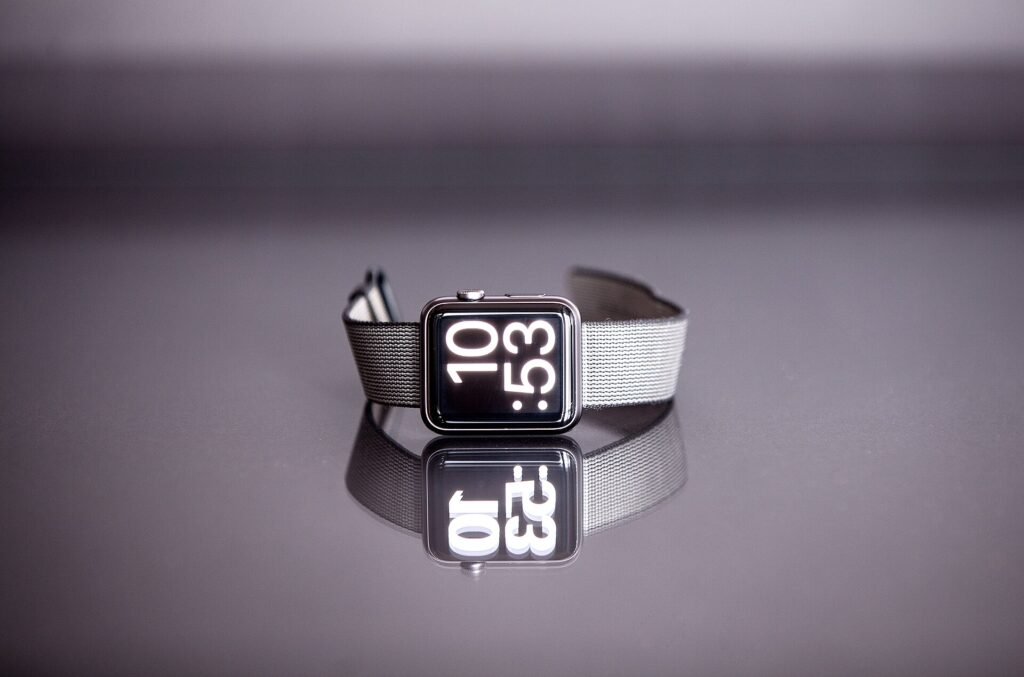
If someone in your family has epilepsy, the idea of a watch that raises the alarm during a seizure is hard to ignore. It is also where a lot of marketing gets sloppy. Most smartwatches cannot detect seizures at all, a couple of FDA cleared options can, and the difference between them matters far more than screen size or battery life.
This guide sorts out what a smartwatch for epilepsy can and cannot do in 2026. It covers the one major clinical study published this year, the devices that are actually cleared in the US, and where ordinary fall detection helps and where it falls short. Sources are linked at the bottom, and I flag anything I could not confirm.
Quick answer
No mainstream smartwatch has built in seizure detection. The cleared options are EpiWatch, an app that runs on Apple Watch, and Empatica’s EmbracePlus watch with its EpiMonitor service. Both target generalized tonic-clonic seizures only, and both need a prescription. Standard fall detection on Apple, Pixel, Galaxy and Garmin watches is a backup at best, not a seizure monitor.
What a Seizure Detection Watch Actually Detects
The word “seizure” covers many different events. Staring spells, brief muscle jerks and confusion episodes look nothing like a convulsion, and a wrist sensor cannot see most of them. The devices on the market are built around one type: the generalized tonic-clonic seizure (TCS), which involves stiffening followed by rhythmic jerking of the limbs.
That focus is deliberate. TCS events carry the highest risk of injury and are strongly linked to sudden unexpected death in epilepsy (SUDEP), particularly when they happen at night with nobody nearby. A wrist worn device picks up the strong, repetitive motion and, in some products, changes in skin response and heart rate. If it decides the pattern looks like a convulsion, it sends an alert to a caregiver.
Anything outside that pattern, such as focal aware seizures or absence seizures, is generally not covered. That is the single most important thing to understand before you spend money.
Smartwatch Options for Epilepsy Compared
| Option | What it detects | Needs | Watch out for |
|---|---|---|---|
| EpiWatch FDA cleared app, 2025 | Tonic-clonic seizures, with alerts to caregivers | Apple Watch, a clinician’s prescription and a subscription | Convulsive seizures only. Real world results still need to be tested |
| Empatica EmbracePlus with EpiMonitor FDA cleared medical watch | Possible generalized tonic-clonic seizures, with caregiver alerts | A prescription. Cleared for ages 6 and up | A dedicated medical device, not a general smartwatch. Check current pricing with Empatica |
| Apple Watch fall detection | Hard falls, via accelerometer and gyroscope | Compatible Apple Watch with the feature turned on | Not designed for seizures. A seizure without a clear fall may not trigger it |
| Pixel, Galaxy and Garmin fall detection | Falls and sudden impacts | Compatible watch and phone setup | I found no cleared seizure feature on these in my research |
Sources: FDA clearance coverage from MedTech Dive, Fierce Biotech and MDDI, plus the EpiWatch App Store listing. Always confirm current availability with the maker.
What the 2026 EpiWatch Study Found
The strongest recent evidence comes from a Phase III trial published on May 27, 2026 in Neurology Open Access. A team led by Gregory Krauss of Johns Hopkins enrolled 242 adults and children with epilepsy. Participants wore an Apple Watch running EpiWatch for an average of more than two days in a hospital unit with video EEG monitoring, and a panel of epileptologists who could not see the device output confirmed which events were real tonic-clonic seizures.
That works out to about 98% sensitivity. The app produced 56 false alarms across 16,189 hours of wear, which is roughly one every 12 days. Researchers described that false alarm rate as around 90% lower than rates reported for other seizure detection devices. The single missed event happened while a caregiver was holding the participant’s arm, which is a good reminder that these tools read movement.
There are two caveats worth keeping in mind. EpiWatch Inc. funded the study and several authors disclosed ties to the company. And the testing happened in a hospital unit, so how it behaves on a busy wrist at home is still unproven.
Empatica EmbracePlus: The Dedicated Medical Watch
Empatica’s watch takes a different route. It is a medical device first and a watch second. The company’s EpiMonitor service is cleared for adults and for children aged 6 and up, and it is marketed as the only wearable with US regulatory clearance for seizure detection that you can buy. That “only” claim comes from the manufacturer, so read it as a marketing line rather than an independent finding.
Earlier versions of the Embrace were cleared on the back of two trials. In the 135 patient adult trial the algorithm caught every convulsive seizure, and in a 141 person pediatric trial it caught 53 of 54. Those numbers came from monitoring units, so the usual home use caveat applies. I could not find a current price or subscription fee in my research, so ask Empatica or your neurologist before you plan a budget.
Can Fall Detection Stand In for Seizure Detection?
This is the question most families actually ask, because Apple, Google, Samsung and Garmin all ship fall detection. The honest answer is that it can sometimes help and should never be your plan.
Apple’s version uses the accelerometer and gyroscope to spot a hard fall, and if you stay unresponsive for about a minute it can call emergency services. There is a widely shared news story about a mother with epilepsy whose watch alerted family after a seizure caused a fall at home. It is a nice anecdote, but it is one case and not evidence of reliable detection. A seizure that leaves someone sitting, lying in bed or slumped in a chair may not look like a fall to the sensor at all.
Epilepsy organizations take the same cautious line. A 2025 factsheet from Epilepsy Action Australia says monitors and alarms do not guarantee safety or catch every seizure, though they can offer peace of mind. If you want to understand how fall detection behaves for older wearers more generally, our guide to smartwatch fall detection for seniors covers the sensors, the false alarm problem and the settings worth changing.
How to Choose a Smartwatch for Epilepsy
Start with the seizure type
Ask the neurologist whether the person has tonic-clonic seizures, and how often they happen at night. Cleared detection devices only make sense if convulsive seizures are part of the picture. For other seizure types, a watch is a general health tracker and nothing more.
Match the watch to the phone
EpiWatch needs an Apple Watch, which means an iPhone household. Empatica’s watch is a standalone medical device with its own caregiver alerting system. Our roundup of the best smartwatch for health monitoring is a useful companion if you also care about heart rate, sleep and the other everyday sensors.
Plan for the alert, not just the watch
A detection is only useful if somebody sees it. Decide who gets the alert, what they do next, and what happens if they are asleep or out of range. Test the setup while the person is healthy and calm, not for the first time during a real event.
Smartwatches and Other Movement Conditions
If you are looking at wearables for a different neurological condition, tremor tracking is a separate field with its own tools and limits. We cover it in our guide to smartwatches for Parkinson’s and tremor tracking.
Who a Watch Helps and Who It Does Not
A good fit
- ✓ Known tonic-clonic seizures
- ✓ Someone who lives alone or sleeps apart
- ✓ A caregiver who can respond to alerts
- ✓ A neurologist who will prescribe it
Not enough on its own
- ✕ Focal or absence seizures only
- ✕ No one nearby to act on an alert
- ~ Seizures that rarely move the wrist
- ✕ Using fall detection as the only plan
Frequently Asked Questions
Can an Apple Watch detect seizures?
Not on its own. The Apple Watch has fall detection, but I did not find an Apple feature that detects seizures. The EpiWatch app, which runs on Apple Watch, holds an FDA clearance for tonic-clonic seizure detection and needs a prescription and a subscription.
Is there a smartwatch for epilepsy that works without a prescription?
The cleared options I found both require a prescription. Apps and features sold without one are not cleared for seizure detection, and I found no published accuracy data for them.
Does a smartwatch detect absence or focal seizures?
No. The cleared devices focus on generalized tonic-clonic seizures. Subtle seizure types do not produce the strong, repetitive movement the sensors look for.
How accurate is EpiWatch?
In the 2026 Phase III trial it flagged 46 of 47 verified tonic-clonic seizures, with about one false alarm every 12 days. The study was funded by the company and run in a hospital unit, so real world performance may differ.
Can fall detection protect someone with epilepsy?
It can sometimes help if a seizure ends in a hard fall, but it was not designed for seizures and it can miss events entirely. Treat it as a bonus, not a safeguard.
Final Verdict
The Bottom Line
The best smartwatch for epilepsy is not a mainstream one. If tonic-clonic seizures are the concern, talk to a neurologist about EpiWatch on an Apple Watch or Empatica’s EmbracePlus, and build a plan around who receives the alert. Regular fall detection is a helpful extra, but it is not a seizure monitor.
Sources
- Newswise: Study finds smartwatch app detects seizures with low rate of false alarms
- Danny Did Foundation: Phase III Trial of EpiWatch
- MedTech Dive: Empatica gets FDA clearance for epilepsy monitor in children
- MDDI: Empatica launches next-gen FDA cleared epilepsy watch
- Fierce Biotech: FDA clears seizure detecting wearable
- Epilepsy Action Australia: Seizure Safety Products factsheet 2025
This article is for general information and is not medical advice. Talk to a neurologist before relying on any device to monitor seizures.
Featured image: Jens Kreuter via Unsplash (CC0).
About this article: GeekBlog covers U.S. technology news, AI, phones, smartwatches and gaming. Every story is written and checked under our Editorial Policy. Spotted a mistake or have a story tip? Contact our editors.
