

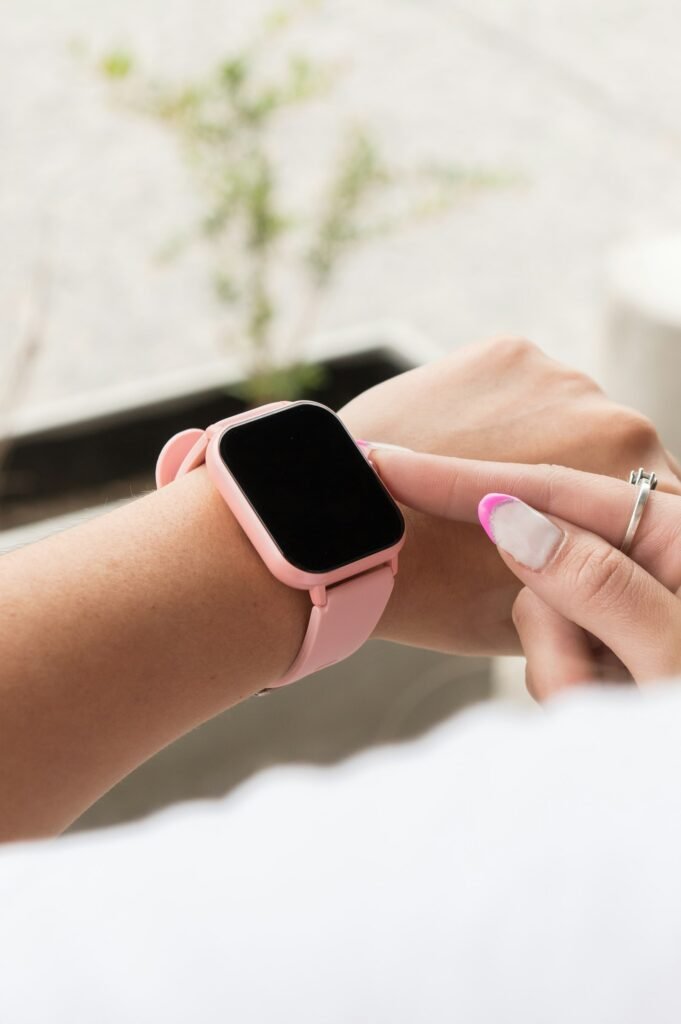
Pregnancy changes almost every number a smartwatch measures. Resting heart rate climbs, sleep gets choppy, and the fitness score you worked hard on can suddenly look like it fell off a cliff. If you wear a watch every day, that can be confusing, or even a little scary.
This guide looks at what a smartwatch for pregnancy can realistically do, which brands have built features for it, and where the data cannot be trusted. We pulled from Garmin’s own support material, a Harvard study of pregnancies, device accuracy research and Oura’s 2025 update rather than running a lab test, so treat it as a buying and setup framework. Your doctor or midwife always has the final word.
Quick answer
Garmin is the only big watch maker we found with a dedicated pregnancy mode on the wrist, including pregnancy tracking in Garmin Connect, adjustable heart rate alerts and a way to pause training status. Apple Watch and Pixel Watch cover cycle tracking but we found no pregnancy mode. If you want pregnancy-adjusted sleep and readiness scores, Oura has them, but on a ring rather than a watch.
Why Your Watch Data Looks Different During Pregnancy
The biggest shift is resting heart rate. A Harvard study of 757 pregnancies, part of the Apple Women’s Health Study, found the median resting heart rate rose from about 65.5 beats per minute before pregnancy to about 77 bpm in the third trimester, then dropped again after delivery. Read the Harvard study summary for the full detail.
That is why a fitness score can mislead. Garmin says its training status can drop because of the higher heart rate and blood volume that come with pregnancy, and suggests pausing it. More on that below.
What a Smartwatch Can Realistically Do
| Feature | Useful in pregnancy? | Watch out for |
|---|---|---|
| Resting heart rate trend | Yes, as a personal baseline over weeks | A steady rise is expected, so judge the trend, not one reading |
| Workout heart rate | Partly | Wrist sensors are weaker during movement, and fixed targets are outdated |
| Sleep tracking | Yes, for rough patterns | Sleep stages are estimates, and discomfort may make a bulky watch hard to wear overnight |
| Symptom and kick logging | Yes, if the watch app supports it | Logging is manual, so it does not replace counting advice from your clinic |
| Hydration and reminders | Yes | Simple, but genuinely helpful on busy days |
| ECG and rhythm alerts | Possibly | Not validated for pregnancy, and they can be anxiety-inducing without context |
Garmin: The Only Dedicated Pregnancy Mode We Found
Garmin added pregnancy tracking in 2020, and it remains the most complete on-wrist option. According to Garmin’s pregnancy tracking guide, you switch it on in Garmin Connect under User Settings, then Women’s Health, then Cycle Type, then Pregnancy. From there you can log symptoms, set reminders on the watch for things like water or Kegel exercises, and adjust your daily hydration goal.
Garmin also suggests two heart-rate related tweaks. First, turn on high heart rate alerts for activities so you can stay within the range your doctor recommends. Second, pause training status, because that score can read as a fitness decline when it is really pregnancy physiology. The launch materials say the feature works on Venu, vivoactive, Forerunner and fenix watches, and on vivomove models through the Women’s Health Tracking widget. Those details date from 2020, so check the current app and your watch manual.
Current models still list it. A Tom’s Guide spec listing shows the Venu 4 with both cycle tracking and pregnancy tracking, and the Garmin Lily 2 Active also has a pregnancy tracking guide. Our guide to the best Garmin smartwatch compares the current lineup and prices.
Apple Watch and Pixel Watch: Cycle Tracking, Not a Pregnancy Mode
This is where honesty matters. In our research we found no dedicated pregnancy mode for Apple Watch or Pixel Watch. One outlet noted in 2025 that it had not seen an Apple Watch that goes beyond cycle tracking into pregnancy. The Pixel Watch 4 has cycle tracking and symptom logging, and one review says it lacks integrations such as Natural Cycles that Apple offers. Both can still do the basics, like resting heart rate trends, activity and sleep. They just will not adjust scores or alerts for pregnancy the way Garmin says its watches do, so you will need to interpret the numbers yourself. Both companies update features often, so check their current pages before buying.
Oura: Pregnancy Insights on a Ring
If your priority is sleep and recovery rather than workouts, Oura is worth knowing about even though it is not a watch. A major update that launched on August 12, 2025 tracks temperature trends, resting heart rate, heart rate variability and respiratory rate, and shows how far along you are by trimester with a weekly note on symptoms to expect.
Readiness and sleep scores are adjusted for pregnancy, and the app adds 35 tags including heartburn, Braxton Hicks and contractions. Oura says its data is paired with a reference range drawn from more than 10,000 pregnancies, with a calibration period of seven to fifteen days for people who start during pregnancy. If you already own a watch, a ring may be an add-on rather than a replacement. Our best smartwatch for sleep tracking list covers watch options if you would rather stay on the wrist.
How Accurate Is the Data?
Reasonably good at rest, weaker in motion. A living meta-analysis of Apple Watch studies found a small underestimation of heart rate, with moderate variability between readings. Other validation work finds that movement hurts wrist heart rate accuracy. Pregnancy research is thin. In a study of 38 pregnant women wearing Samsung Gear Sport watches for eight weeks, the authors reported that the watch underestimated heart rate and some heart rate variability measures. A review of wearables in pregnancy concluded that devices show promise, but limited clinical validation and variable accuracy still hold back widespread use.
There is one striking case worth knowing about. A published case report describes a patient at 34 weeks whose Apple Watch ECG showed ventricular tachycardia, later confirmed in hospital. It is a single case, and the authors say larger studies are needed to judge smartwatch arrhythmia monitoring outside atrial fibrillation. Treat it as a reminder to call your clinic if you feel unwell, not as proof the watch can diagnose anything.
Exercise, Heart Rate Targets and the Talk Test
Many people want a heart rate ceiling for workouts. Older ACOG guidance from 1985 capped maternal heart rate at 140 bpm, but current thinking leans toward perceived exertion. An ACOG opinion quoted in a PMC review suggests that if you can carry on a conversation while exercising, you are likely not overexerting yourself. We could not confirm the exact current ACOG wording directly, so ask your own provider which target they want you to use, then set the watch alert to that number.
Related reading: If you wear a watch for cycle data, see our best smartwatch for women picks, and think carefully about which apps you share reproductive data with.
How to Set Up Your Watch for Pregnancy
- Turn on pregnancy tracking if your watch has it. On Garmin, use Women’s Health, then Cycle Type, then Pregnancy in Garmin Connect.
- Pause fitness scores. Training status, VO2 max trends and recovery scores will look worse for reasons that are not a failure.
- Ask your provider for a heart rate range. Set a high heart rate alert only to the number they give you.
- Swap to a soft band. Swelling in hands and wrists is common, so a stretchy or looser band is more comfortable.
- Review privacy settings. Check what the watch app shares, who can see it and whether it syncs to third parties.
Frequently Asked Questions
Is it safe to wear a smartwatch during pregnancy?
We did not find a source indicating that wearing a smartwatch is unsafe, but we also did not find an authoritative safety statement. If you have concerns, ask your doctor or midwife.
Can a smartwatch tell me I am pregnant?
No. Resting heart rate and temperature trends change in pregnancy, but a watch is not a pregnancy test. Use a test and confirm with a clinician.
What heart rate is normal in pregnancy?
It varies by person. The Harvard study found a median resting rate that rose from 65.5 bpm to about 77 bpm in the third trimester. Compare against your own baseline, and talk to your provider about anything that feels off.
Which smartwatch is best for pregnancy?
Based on what we found, Garmin has the most complete on-wrist support, including pregnancy tracking and heart rate alert tweaks. Apple Watch and Pixel Watch are fine for activity and sleep, but lack a dedicated pregnancy mode as far as we could confirm.
Should I stop wearing my watch if the numbers worry me?
Not necessarily. Use trends rather than single readings, and contact your care team for symptoms such as chest pain, fainting or a racing heart, instead of relying on the watch.
Final Verdict
The Bottom Line
A smartwatch for pregnancy is a useful journal, not a medical monitor. Garmin offers the most pregnancy-specific tools, Oura adds pregnancy-adjusted sleep scores on a ring, and Apple and Google cover the basics. Expect your resting heart rate to rise, pause any fitness score that suddenly looks bad, and let your doctor set the targets.
This article is for general information and is not medical advice. Talk to your doctor or midwife about monitoring your health during pregnancy. Features change with software updates, so confirm details on the manufacturer’s page before buying.
Featured image: Unsplash.
About this article: GeekBlog covers U.S. technology news, AI, phones, smartwatches and gaming. Every story is written and checked under our Editorial Policy. Spotted a mistake or have a story tip? Contact our editors.
