

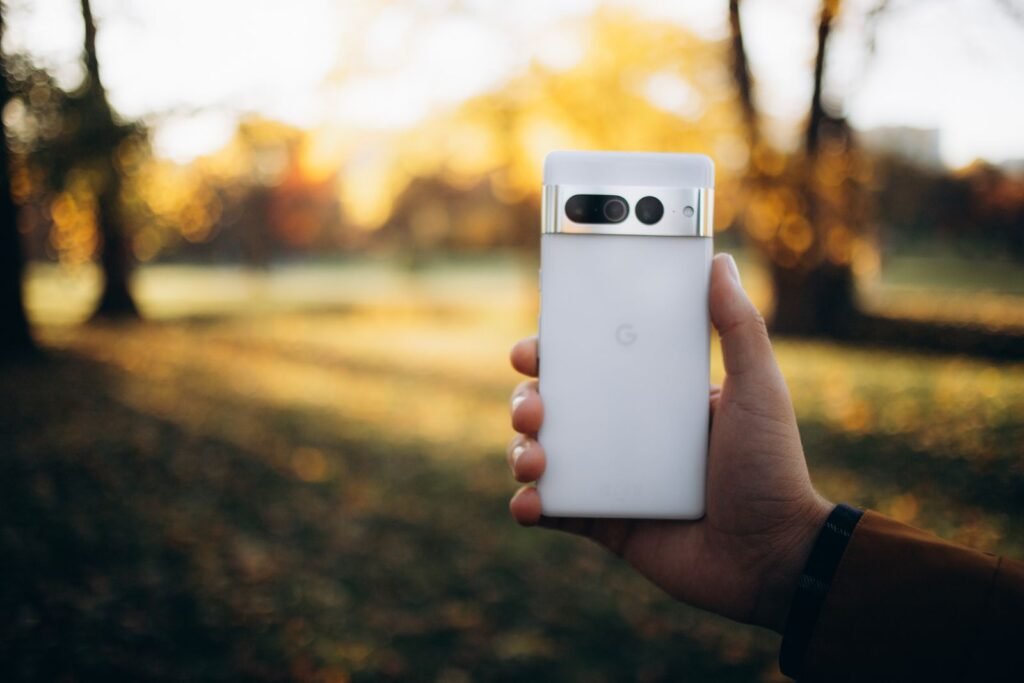
Google takes the stage in New York on Wednesday, and for once the most interesting phone in the lineup is not the one most people will buy. The Pixel 11, Pixel 11 Pro and Pixel 11 Pro XL will get the bulk of the stage time. The Pixel 11 Pro Fold is the one worth watching.
Part of that is timing. Foldables are having a genuinely competitive year, and the phone Google is about to show has spent six months leaking in unusual detail. We know roughly how thick it is, what chip is inside, what the battery holds, and what it costs. What we do not know yet is whether Google has fixed the two things that keep foldables niche: the shape when they are closed, and the price when you reach the checkout.
Here is what the leaks actually say, where they contradict each other, and what to listen for during the keynote.
⭐ The short version
- The Pixel 11 Pro Fold is expected to be announced August 12 and ship in October, later than the rest of the lineup.
- It gets meaningfully thinner: roughly 10.1mm folded and 4.8mm open, down from 10.8mm and 5.2mm.
- The cover screen gets slightly narrower and taller, so it should feel more like an ordinary phone in one hand.
- Inside sits the Tensor G6, Google’s first 2nm chip, paired with a MediaTek modem instead of Samsung’s.
- Pricing is the sore point: $1,899 for 256GB, up $100, and Google has already blamed a global memory shortage.
The Shape Is the Real Upgrade
Every book style foldable makes the same compromise. Open, it is a small tablet and everyone is happy. Closed, it is a thick, oddly proportioned slab that feels wrong in a pocket and worse in one hand. That closed state is where you spend most of your day, which is why so many people try a foldable for two weeks and go back.
The leaked dimensions suggest Google went after exactly that. At around 10.1mm folded the Pixel 11 Pro Fold is not thin by slab phone standards, but it is 0.7mm slimmer than last year, and on a device this dense that difference is noticeable in a pocket. Open, it drops to roughly 4.8mm.
The more interesting change is the aspect ratio. The cover display is reported at 1080 x 2342, which is slightly narrower and taller than the panel on the Pixel 10 Pro Fold. Inside, the flexible screen moves to 2076 x 2160, a fraction wider and closer to square. Neither is dramatic on paper. In the hand, a narrower cover screen is the difference between a phone you can thumb one handed and one you cannot, and it is the same design logic that has driven this year’s push to make foldables usable as everyday phones.
| Spec | Pixel 11 Pro Fold (leaked) | Pixel 10 Pro Fold (known) |
|---|---|---|
| Thickness folded | 10.1mm | 10.8mm |
| Thickness open | 4.8mm | 5.2mm |
| Inner display | 8 inch, 2076 x 2160, 3,500 nits peak | 8 inch, 2076 x 2152 |
| Cover display | 6.4 inch, 1080 x 2342, 3,600 nits peak | 6.4 inch, 1080 x 2364, 3,000 nits peak |
| Chip | Tensor G6 (2nm) | Tensor G5 |
| Battery | 4,658 to 4,806mAh (disputed) | 5,015mAh |
| Starting price | $1,899 (256GB) | $1,799 |
That battery row deserves a flag. Two credible leak sources disagree, one landing at 4,658mAh and another at 4,806mAh, and both are below the 5,015mAh cell in the current model. Shaving 0.7mm off a foldable has to come from somewhere, and battery volume is usually where it comes from. Whether that translates into worse endurance depends entirely on how efficient the new chip turns out to be, and Pixel capacity figures have never mapped cleanly onto real world runtime.
Tensor G6 and the Modem Nobody Is Talking About
The headline silicon change is that Tensor G6 is reportedly Google’s first chip built on a 2nm process at TSMC, with a seven core CPU topped by a 4.11GHz primary core and a PowerVR graphics block. That is the kind of spec sheet Google will happily put on a slide.
The change that may matter more to daily use gets no slide at all. Every previous Pixel foldable has used a Samsung Exynos modem, and modem behavior has been behind a long list of Pixel complaints: weak signal in fringe coverage, battery drain when the phone is hunting for a tower, inconsistent 5G handoffs. Leaks point to Google swapping in a MediaTek M90 for this generation.
Worth watching: a modem swap is the sort of change that either quietly fixes years of complaints or introduces a fresh set of them. Google will not spend keynote time on it. Reviews in October will, and if you have ever been frustrated by Pixel reception, that is the section to read first.
Thermals are the other open question. Foldables have very little room for heat spreaders, and Tensor chips have historically run warm under sustained load. A denser body with a smaller battery and a new node is a combination that could go either way.
The Cameras Are Where Leaks Stop Agreeing
This is the murkiest part of the picture, and it is worth being honest about that rather than picking the most exciting number.
One set of leaks describes a modest refresh: a 48MP main sensor at f/1.7 with stabilization, a 10.5MP ultrawide with macro, and a 10.8MP periscope telephoto at 5x. Another set claims a full overhaul with 50MP main, 48MP ultrawide and 48MP periscope, which would be the first real camera rebuild on a Pixel foldable since the line started.
Those cannot both be right. What the leaks do agree on is the software side, and on a Pixel that is usually the part that matters: 100x zoom driven by machine learning, and Cinematic Blur finally moving from 1080p to 4K at 30fps. Leaked renders also show a reworked camera bar, with the telephoto lifted into its own oval cutout while the main and ultrawide share the space below.
Foldable cameras have always been a compromise, because the sensor stack has to fit in a half body that is already carrying a hinge. If Google really did move to a trio of larger sensors, that is the single biggest story of the launch. If it is the 48MP and 10MP arrangement, this is a display and chassis update with a better zoom mode attached.
Why It Costs $100 More
Google has already told everyone this was coming, which is unusual and tells you how bad the underlying situation is.
The cost of a gigabyte of RAM has gone from roughly $2.80 in 2025 to about $12 in 2026. Memory manufacturers moved wafer capacity toward high bandwidth memory for AI data centers, and consumer DRAM ended up structurally undersupplied. Google’s devices lead described the increase as unprecedented, and SK Group’s chairman has suggested the squeeze could last until 2030.
| What changed | Effect on you |
|---|---|
| RAM cost up roughly sixfold | About $100 added across the lineup |
| 128GB tier dropped | 256GB becomes the base, so part of the increase buys something |
| Base Pixel 11 RAM cut to 12GB | Less headroom for on device AI on the cheapest model |
| Industry wide supply crunch | IDC expects shipments to fall about 12.9% in 2026 |
Leaked pricing puts the Fold at $1,899 for 256GB and around $2,019 for 512GB. The rest of the Pixel 11 lineup takes a similar increase, so this is not the foldable being singled out. It is the whole market repricing at once.
Against the Galaxy Z Fold 8 Ultra
Samsung got there first this year, launching on July 22, and the comparison is less lopsided than the price gap suggests.
| Pixel 11 Pro Fold | Galaxy Z Fold 8 Ultra | |
|---|---|---|
| Starting price | $1,899 | $2,099 |
| Thickness open | 4.8mm | 4.1mm |
| Chip | Tensor G6 | Snapdragon 8 Elite Gen 5 |
| Battery | Under 5,000mAh | 5,000mAh |
| Main camera | 48MP or 50MP (unconfirmed) | 200MP |
| Available | October 2026 | On sale now |
Samsung wins on raw hardware and on being purchasable today. Google’s argument is a $200 gap, seven years of software updates, and the image processing that has kept Pixels competitive against sensors twice their size. Samsung’s own users are not uniformly delighted either; one of the more widely shared Z Fold 8 complaints this month is a wobble when the phone lies flat on a desk.
Should You Wait for It?
A practical read on it:
- You own a Pixel 10 Pro Fold. Sit this one out. A thinner body and a possibly smaller battery is not a year over year upgrade.
- You own a Pixel 9 Pro Fold or older. Worth waiting for the October reviews. Two generations of hinge, durability and brightness work is a real jump.
- You are new to foldables. Do not preorder. Handle one in a store, because the closed shape is the thing that decides whether you keep it.
- You need a phone this month. The Pixel 10 Pro Fold will get discounted the moment this is announced, and it remains an excellent device.
- Price is the deciding factor. Nothing here suggests foldables get cheaper soon. If the memory crunch runs as long as predicted, this may be the cheap year.
What to Listen For Tomorrow
The keynote starts at 6pm ET on August 12 and streams on Google’s YouTube channel. Four things are worth waiting through the Gemini segment for.
First, the actual camera specs, because that settles which of the two leak camps was right and tells you whether this is a real upgrade or a chassis revision. Second, any mention of the modem, which Google will probably skip but which reviewers will not. Third, the battery number, and specifically whether Google addresses the drop or hopes nobody notices. Fourth, the ship date, since the Fold historically arrives weeks after the rest of the family and October is a long wait when the phones you are comparing it against are already on shelves.
If the leaks hold, the Pixel 11 Pro Fold is a considered, unflashy update: slimmer, brighter, better shaped, and more expensive for reasons that have nothing to do with Google. That is a less thrilling story than a reinvention, but it is arguably the more useful one. Foldables do not need another concept. They need to stop feeling like a compromise the moment you close them.
About this article: GeekBlog covers U.S. technology news, AI, phones, smartwatches and gaming. Every story is written and checked under our Editorial Policy. Spotted a mistake or have a story tip? Contact our editors.
