

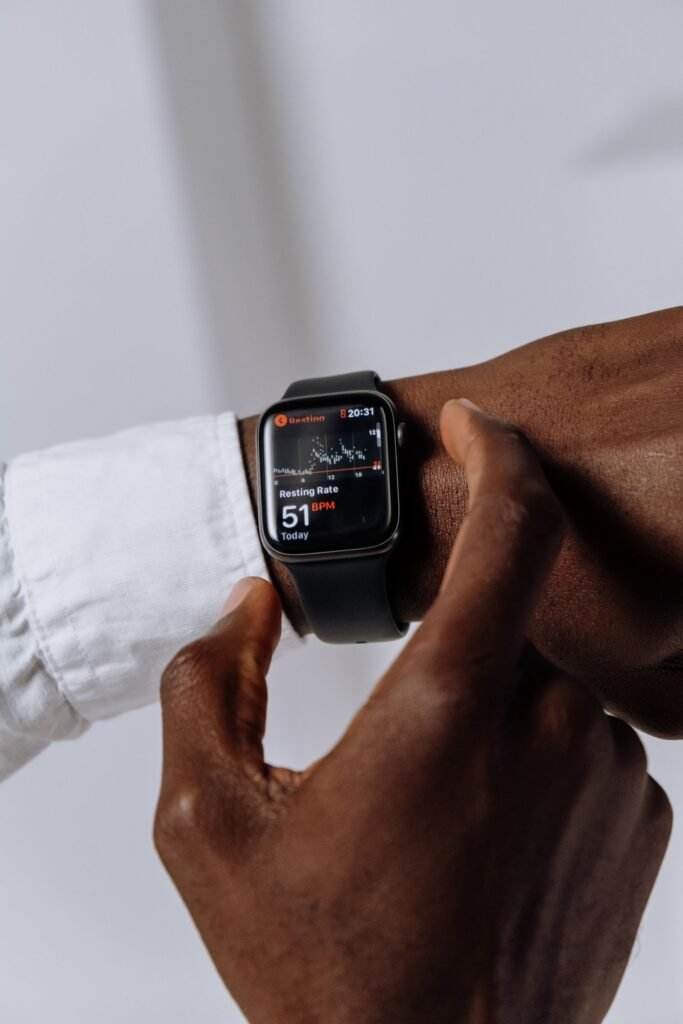
Apple’s September 9 event has been billed as the iPhone’s night, but the Apple Watch Ultra 4 might end up being the more interesting story once the keynote actually starts. Unlike Apple Watch Series 12, which is shaping up as a steady, expected upgrade, the Ultra line is reportedly getting the kind of overhaul it has not seen since the original Ultra launched in 2022: a thinner titanium case, roughly double the sensor hardware, and a blood pressure feature that has been rumored for years and never actually shipped.
The strange part is that not everyone agrees on how big this redesign actually is. Some of the most reliable Apple reporters are describing two very different watches.
At a Glance
- Event: Apple’s “Surprise and shine” keynote, September 9, 2026, Apple Park
- Case: Titanium build reportedly 10 to 15 percent thinner than Ultra 3
- Sensors: Roughly double the sensor hardware, including a redesigned sensor array
- Health feature: FDA-reviewed blood pressure risk detection using multi-spectrum LED sensors
- Display: Brighter LTPO3 OLED panel, rumored up to 3200 nits
- Disagreement: Bloomberg’s Mark Gurman expects modest changes; supply chain outlet DigiTimes describes a major redesign
The Redesign Nobody Can Fully Agree On
Mark Gurman, who has one of the better track records on unreleased Apple hardware, has said he does not expect major design changes to either Series 12 or Ultra 4 this year. Around the same time, DigiTimes, which typically draws from Apple’s Asian supply chain, described the Ultra 4 in much stronger language: a thinner case, a nearly doubled sensor count, and what it called a significant upgrade to how the watch actually senses the body wearing it.
Both outlets could technically be right. A watch can look almost identical on a shelf while everything under the back crystal changes. That appears to be roughly what is happening here: a familiar silhouette wrapped around a case that is measurably thinner, packed with more sensor hardware than any Apple Watch before it.
Blood Pressure Monitoring Without a Cuff
The feature likely to generate the most conversation is blood pressure risk detection. Apple has reportedly secured FDA review for a system built around multi-spectrum LED sensors, aimed at flagging elevated blood pressure trends rather than producing a clinical reading like a cuff would. That distinction matters. This is not going to replace a doctor’s blood pressure monitor, but it could catch a pattern worth mentioning at your next checkup, the same way the existing hypertension notifications on Series 9 through 11 already do.
It also lands at an interesting moment for the wearable industry, since accuracy claims around blood pressure and heart metrics get scrutinized quickly once a feature actually ships. Readers curious about how smartwatch blood pressure monitoring actually works right now will find the Ultra 4’s approach follows the same trend-based logic other wearables have leaned on rather than promising cuff-level precision.
A Chip Built for On-Device Siri
Ultra 4 is expected to share its new S-class silicon with Apple Watch Series 12, internally linked to the codename T8320. The extra processing headroom exists mainly for one reason: watchOS 27 leans heavily on a more conversational Siri, one that can hold a back and forth conversation and pull from personal context stored across your devices. That kind of on-device processing needed a chip current Watch models were never designed to run, which is part of why Apple is finally moving past three generations on the same core silicon.
| Spec | Apple Watch Ultra 3 | Apple Watch Ultra 4 (rumored) |
|---|---|---|
| Case material | Titanium | Titanium, thinner profile |
| Display | LTPO OLED, up to 3000 nits | LTPO3 OLED, up to 3200 nits |
| Chip | S10-class | New S-class, on-device Siri ready |
| Blood pressure feature | Not available | FDA-reviewed risk detection |
| Sensor hardware | Baseline array | Roughly double the components |
Ultra 4 figures are based on pre-launch reporting and are expected to be confirmed at Apple’s September 9 event.
Where Ultra 4 Leaves the Rest of the Lineup
Apple Watch Ultra has always been the version built for people who actually beat up their gear: divers, ultramarathon runners, search and rescue volunteers. That positioning does not seem to be changing, and the case is still expected to carry the same rugged water resistance rating that has defined the line since 2022. If you are unclear on what those water resistance ratings actually mean in practice, it is worth a look before assuming Ultra 4 is automatically tougher than a standard Series 12.
What is changing is how much daylight there now is between Ultra 4 and the rest of the Watch family. Series 12 is getting always-on heart rate tracking and a ceramic case option, but the blood pressure feature and the doubled sensor array appear to be staying exclusive to Ultra, at least for this generation. That is a notable shift from recent years, when Apple mostly trickled the same health features across the whole lineup with a short delay.
What This Means If You Are Deciding Whether to Upgrade
- Own an Ultra 2 or Ultra 3? The blood pressure feature and the new sensor array are the reasons to pay attention this year, not the case redesign, which by most accounts stays close to the current shape.
- Considering Ultra 4 over Series 12? The gap between the two is widening. Ultra is pulling ahead on sensors and rugged features rather than converging with the standard model.
- Care mainly about battery life and toughness? Nothing reported so far suggests Apple is trading durability for the thinner case, so this still looks like the pick for heavy outdoor use.
- Waiting to see who is right, Gurman or DigiTimes? You will not have to wait long. Apple’s keynote settles the question on September 9.
The Bottom Line
Apple Watch Ultra 4 is shaping up to be the more ambitious release of Apple’s two watches this year, even if the case on the outside does not look dramatically different in a photo. A thinner titanium build, a heavier sensor load, and a genuine attempt at blood pressure risk detection would be a meaningful step for a product line that has mostly earned its reputation through battery life and ruggedness rather than new health science. Whether that turns out to be a modest refresh or the significant redesign DigiTimes described will be clear soon enough. We will update this piece the moment Apple confirms the details on September 9.
